
Plants
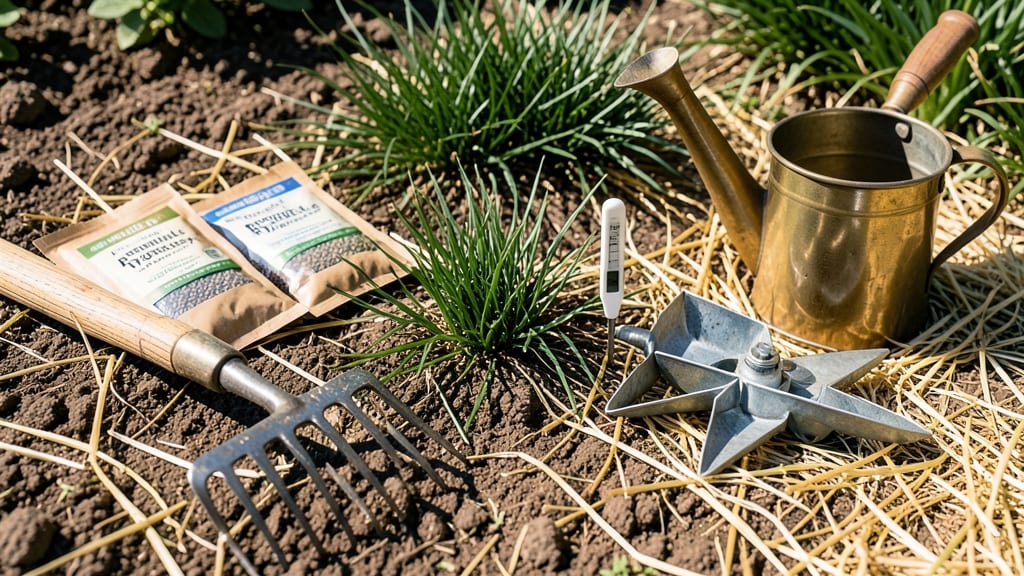
The best time to plant grass seed in New Jersey is during the cool seasons—early spring (March–April) or early fall (September–October)—when soil temperatures hover between 50–65°F 🌱.
New Jersey’s unpredictable weather can turn a perfect lawn into a patchy nightmare if you plant grass seed at the wrong time—but timing it right ensures thick, lush grass that survives even harsh winters.
Coastal areas near the shore may have slightly different windows due to milder microclimates, but inland zones like 6a–7b follow the same rule: avoid summer heat stress and winter dormancy periods.
Below, I’ll break down the exact soil prep steps, seed selection, and watering schedule to guarantee your grass takes root before the first frost—no guesswork, just results.
New Jersey’s ideal grass seed planting window: cool season timing explained
New Jersey’s cool-season climate makes fall and early spring the perfect windows for planting grass seed. Unlike warm-season grasses, cool-season varieties like tall fescue and Kentucky bluegrass thrive when soil temperatures hover between 50-65°F, giving them time to establish deep roots before winter dormancy.
Timing matters—planting too early or late can leave your lawn vulnerable to heat stress or frost damage.
Coastal regions like Cape May and Atlantic City experience milder winters, while inland areas like Morris County face earlier frosts. This means your planting window can shift by 2-3 weeks depending on your microclimate. Understanding these differences ensures your grass seed germinates consistently and survives NJ’s harsh winters.
🌱
| Planting Window | Soil Temp Range | Frost Risk | Best For |
|---|---|---|---|
| Early Fall (September-October) | 50-65°F | Low (6-8 weeks before first frost) | Coastal & Inland |
| Early Spring (March-April) | 50-60°F | None (after last frost) | Inland (warmer earlier) |
| Late Fall (November) | Below 50°F | High (avoid) | Not Recommended |
| Summer (June-August) | Above 70°F | Heat Stress Risk | Avoid |
Fall planting (September-October) is my top recommendation for NJ gardeners. The cooler temperatures reduce water stress on new seedlings, while longer daylight hours encourage rapid root growth.
By early October, most of NJ has 6-8 weeks of growing season left before the first frost—enough time for grass to establish a 3-inch root system before winter.
For inland areas like Sussex County, aim for late September to avoid early frosts. Coastal regions can extend planting until mid-October thanks to their milder climate. Always check your local USDA Zone (6a-7b) and monitor soil temperatures with a thermometer—50°F is the minimum for germination.
🌿
Early spring (March-April) is your second-best window, especially for inland NJ where frosts linger longer. Plant as soon as soil temperatures rise above 50°F, typically by mid-March in southern NJ and late March in northern regions.
Avoid planting too early—cold snaps can kill tender seedlings. If you miss spring, don’t despair: fall is the gold standard for cool-season grasses.
One common mistake I see is planting grass seed in late spring or summer. While warm-season grasses like Bermuda thrive in heat, NJ’s cool-season varieties will brown out under 70°F+ soil temps.
If you’re repairing a lawn in summer, opt for overseeding with ryegrass instead—it germinates faster in warm soil but won’t outcompete your existing grass.
💧
Pro tip: Use a soil thermometer to track temperatures. If readings dip below 50°F at night, delay planting until conditions stabilize. For coastal areas, salt spray can also stress new seedlings—rinse soil with fresh water after planting if you’re near the shore.
With the right timing, your NJ lawn will be thicker, greener, and more resilient come next summer.
How to prepare your new Jersey lawn for fall grass seed planting: soil, sun, and seed selection
Fall is the perfect time to plant grass seed in New Jersey because cooler temperatures and consistent rainfall create ideal conditions for germination. When you prepare your lawn properly, you’ll avoid common pitfalls like uneven growth or seed washout from heavy rains.
The key steps focus on soil health, proper seed selection, and timing your aeration to maximize root development before winter.
For New Jersey’s climate—especially in USDA zones 6a–7b—focus on cool-season grasses like tall fescue or Kentucky bluegrass, which thrive in fall’s mild weather. These grasses establish deep roots before the ground freezes, giving you a head start in spring.
But before you even think about seed, you’ll need to prep your soil and address any compacted areas or weed pressure that could choke out your new lawn.
Step-by-Step Fall Grass Seed Prep for NJ Lawns
- 1 Test Soil pH: Aim for a 6.0–7.0 range. Use a soil test kit from your local garden center. If your soil is too acidic (<6.0), add lime 4–6 weeks before planting. For alkaline soil (>7.0), mix in sulfur or peat moss.
- 2 Aerate Compacted Soil: Rent a core aerator to remove 2-inch soil plugs across your lawn. This opens up space for roots and improves water absorption. Do this 2–4 weeks before seeding to allow the holes to close slightly.
- 3 Choose the Right Seed: For New Jersey’s climate, opt for a cool-season blend like tall fescue (drought-tolerant) or Kentucky bluegrass (fast-spreading). Avoid warm-season grasses like Bermuda, which struggle in fall planting.
- 4 Apply Pre-Emergent Herbicide: If weeds are an issue, use a pre-emergent herbicide like pendimethalin 2–3 weeks before seeding. This blocks weed seeds from germinating while allowing your grass to grow. Do not use post-emergent herbicides after planting.
- 5 Spread Seed Evenly: Use a broadcast spreader for large areas or hand-spread for small patches. Aim for 4–6 lbs of seed per 1,000 sq ft. Lightly rake to ensure seed-to-soil contact, then cover with a thin layer of compost (no more than ¼ inch).
- 6 Water Deeply and Consistently: Keep the soil moist but not soggy for the first 2–3 weeks. Water lightly 2x daily (morning and evening) to prevent seed from drying out. Once sprouts appear, reduce to 1 inch per week.
✅ Pro Tip: Mow new grass when it reaches 3–4 inches tall to encourage root growth.
Don’t forget to mow high once your grass reaches 3–4 inches—this shades out weeds and encourages deeper root growth. In New Jersey, fall-mowed lawns often outperform spring plantings because the grass has 6–8 weeks of growth before winter dormancy.
Just avoid cutting if frost is in the forecast, as this can damage tender new blades.
If you’re planting in coastal areas like Cape May or Atlantic City, pay extra attention to soil salinity—rinse the topsoil with fresh water before seeding to remove excess salt.
Inland zones can focus more on soil compaction from heavy foot traffic or machinery. Either way, your prep work now will pay off with a thicker, greener lawn next spring.
Once your grass is established—typically by late fall or early spring—you can adjust your mowing height and fertilizer schedule to match the growing season. But for now, focus on consistent moisture and protecting your new seedlings from pests like chinch bugs or grubs.