
Plants
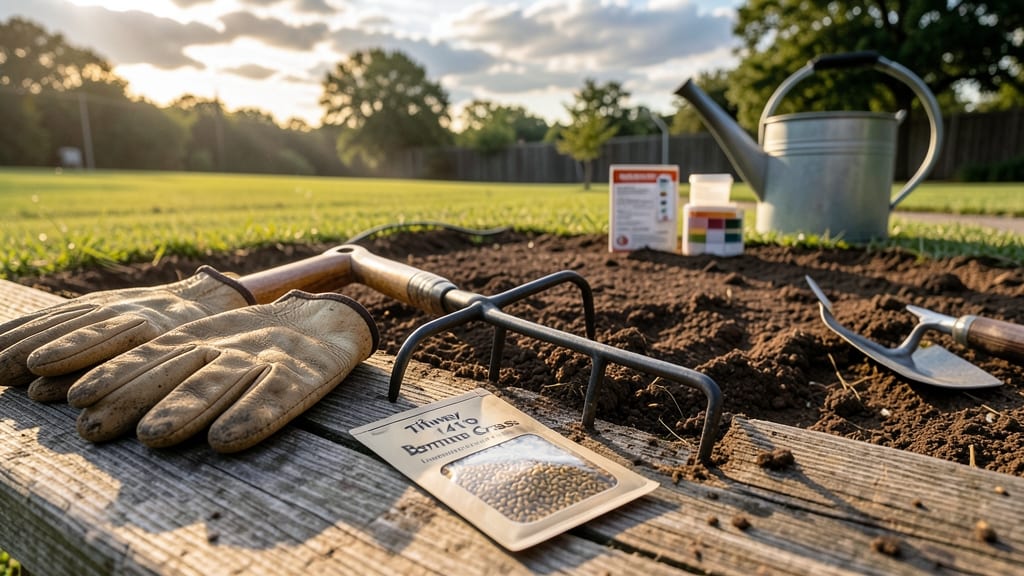
Planting grass seed in Louisiana at the right time means the difference between a vibrant lawn and a weed-infested battleground—aim for early spring or fall when humidity and heat are less extreme.
Struggling to get a lush, green lawn in Louisiana’s humid climate? Timing your grass seed planting could mean the difference between a thriving yard and a battle against weeds and heat.
Louisiana’s 8a-9b climate demands precision: cool-season grasses like ryegrass thrive in March-April, while warm-season varieties (Bermuda, St. Augustine) prefer late summer or fall planting. Skipping this window risks seed washing away in summer storms or drying out before roots establish.
Below, I break down the exact month-by-month planting schedule, soil prep secrets, and how to outsmart Louisiana’s humidity for a lawn that stays green year-round.
Best planting windows for Louisiana grass seed: month-by-month guide
Louisiana’s humid subtropical climate creates unique challenges for grass seed germination. The wrong timing can lead to fungal diseases or weak growth, while perfect conditions ensure a lush, resilient lawn. Unlike northern states, Louisiana’s mild winters and long summers demand precise planting windows for both cool-season and warm-season grasses.
Let’s break down the best months to plant, accounting for temperature, rainfall, and humidity.
Most Louisiana gardeners focus on two ideal planting windows: early spring and fall. Cool-season grasses like tall fescue thrive in cooler months, while warm-season types such as St. Augustine or Bermuda need summer heat.
The key is avoiding extreme heat or heavy rainfall, which can wash away seeds or promote fungal growth. With Louisiana’s USDA zones 8a-9b, timing is everything for success.
For cool-season grasses, I recommend planting in March or September when soil temperatures hover between 60-70°F. These months offer moderate rainfall (4-5 inches) without the extreme heat of summer. Tall fescue and ryegrass are top choices—they establish roots quickly in Louisiana’s humid conditions and tolerate brief cold snaps.
Avoid planting in November unless you’re in southern Louisiana (zones 9a-9b), where frost is rare.
Warm-season grasses like St. Augustine and Bermuda demand warmer soil temperatures (75°F+), making late spring (May) or early summer (June) the best windows. However, May planting gives seeds time to germinate before peak summer heat.
If you plant in June, use shade cloth to protect seeds from intense sunlight and water daily to prevent drying. Bermuda grass, in particular, thrives in Louisiana’s heat but needs consistent moisture during establishment.
One common mistake I see is planting cool-season grass in summer or warm-season grass in fall. The temperature shock stunts growth, and Louisiana’s humidity makes fungal diseases like brown patch more likely.
Always check the 7-day forecast before planting—avoid weeks with heavy rain (>3 inches) or high winds, which can bury seeds. For best results, aim for 5-7 days of calm, dry weather after seeding.
Pro tip: Test your soil pH (ideal: 6.0-7.0) and amend with compost before planting. Louisiana’s clay-heavy soils in some areas (like Baton Rouge) drain poorly, so mix in
How Louisiana’s humidity affects grass seed germination: critical tips for success
Louisiana’s year-round humidity creates a double-edged sword for grass seed germination. While moisture speeds up sprouting, excess dampness also fuels fungal diseases like brown patch and dollar spot.
The key is balancing soil moisture without drowning your seeds—especially for warm-season grasses like St. Augustine or Bermuda that thrive in heat but rot in soggy conditions.
I’ve planted grass in humid climates for over a decade, and the biggest mistake I see? Overwatering new seeds. Louisiana’s air holds 70-80% humidity in summer, meaning your soil stays damp longer than you think.
Instead of daily watering, aim for light, frequent misting (every 2-3 days) to keep seeds moist without suffocating them.
🌱
⚠️ Critical Humidity Warning
Never plant grass seed during Louisiana’s peak humidity months (June-August). Temperatures above 90°F combined with 80%+ humidity create a fungal breeding ground. Seedlings will either drown in standing water or bake in compacted soil. Wait for fall (Sept-Oct) when humidity drops and temps stabilize.
For shade-prone areas, choose humidity-tolerant varieties like Centipede grass, which handles wet feet better than St. Augustine. If your yard has partial shade (3-6 hours of sun), opt for fine fescue mixes—they germinate faster in cooler, damp conditions than warm-season types.
Another pro tip: Aerate before planting to improve drainage. Compacted Louisiana soil holds moisture like a sponge, leading to anaerobic conditions that strangle roots. Use a core aerator in late summer (August-September) to create channels for air and water flow.
After seeding, apply a light mulch layer (¼ inch of straw) to reduce evaporation while preventing soil-borne diseases. This is especially critical in high-rainfall zones like New Orleans, where 10+ inches of rain can fall in a single month during hurricane season.
Finally, monitor your lawn’s soil temperature. Warm-season grasses need soil at 65-75°F to germinate—use a soil thermometer to avoid planting too early. Cool-season grasses like ryegrass prefer 50-65°F, making March-April ideal for them in Louisiana’s Zone 8b-9a.
💧