
Plants
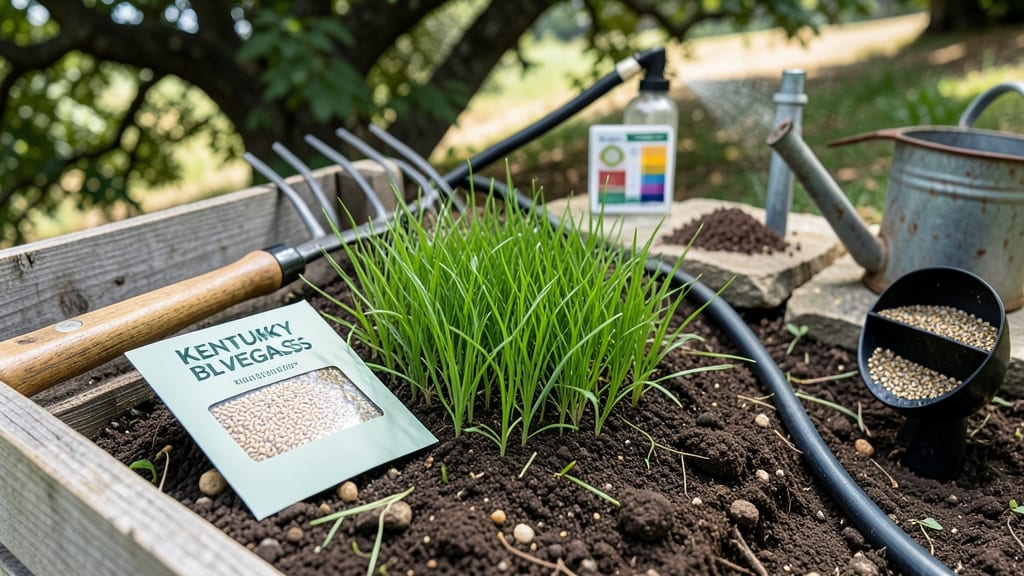
Planting grass seed in Kentucky at the right time is the key to a fast, weed-free lawn—aim for early spring or early fall when soil temps sit between 50°F and 65°F.
Kentucky’s unpredictable spring and fall weather can make or break your lawn—plant grass seed at the wrong time, and you’ll battle weeds, drought, or slow germination. But get the timing right, and you’ll have a lush, weed-resistant lawn in just 60 days.
Cool-season grasses like tall fescue and Kentucky bluegrass thrive when planted before summer’s heat or after summer’s dry spell. Northern Kentucky’s 6a zone has a shorter window than the warmer 7b areas, so knowing your exact frost dates is critical.
Below, I break down the best planting windows by zone, soil prep secrets for Kentucky’s clay-heavy dirt, and the 3 biggest mistakes that kill seed before it sprouts.
Best Kentucky grass seed planting windows by USDA zone (cool season deadlines)
Kentucky's USDA Zones 6b-7a create ideal conditions for cool-season grasses like tall fescue and Kentucky bluegrass, but timing is everything. Plant too early, and frost will kill tender sprouts. Too late, and summer heat stresses young roots. The 50-65°F soil temperature window is your sweet spot for germination success.
Most Kentucky gardeners succeed with two planting windows: early spring (March-April) and early fall (August-September). However, microclimates matter—mountain regions (like Eastern Kentucky) can plant 2-3 weeks later than the Bluegrass region due to cooler temperatures. Let's break down the exact deadlines for your zone.
| Zone/Region | Spring Window | Fall Window | Soil Temp | Key Consideration |
|---|---|---|---|---|
| Northern KY (Zone 6b) | March 15 - April 15 | August 15 - September 15 | 50-60°F | Later spring frost risk |
| Central KY (Zone 7a) | March 1 - April 10 | September 1 - October 1 | 55-65°F | Bluegrass region ideal |
| Mountain KY (Zone 6b) | April 1 - April 30 | September 1 - September 30 | 50-60°F | Cooler microclimate |
| Southern KY (Zone 7a) | February 28 - March 31 | August 15 - September 15 | 55-65°F | Warmer spring soil |
For spring planting, aim to finish by April 15 in most of Kentucky to avoid summer heat stress. Young grass needs 60 days of establishment before summer's intensity. If planting in late spring (May), use shade cloth to protect seedlings from 90°F+ temperatures.
Fall planting offers better success rates because cooler temps reduce weed competition and drought stress. Seedlings establish roots before winter dormancy. The ideal window closes by September 30—planting after this risks early frost damage before germination completes.
Check soil temperatures with a soil thermometer (available at garden centers for ~$10). If temps drop below 50°F at night, delay planting until conditions stabilize. In mountain regions, wait until after May 15 for spring planting to avoid late frosts.
Pro tip: Test your soil 2-3 weeks before planting. Kentucky's clay-heavy soils benefit from compost amendment to improve drainage. Aim for a pH of 6.0-7.0—most grass seeds struggle below pH 5.5. Adjust with lime (to raise pH) or sulfur (to lower pH) as needed.
After planting, maintain consistent moisture—water lightly twice daily for the first 14 days to keep soil 1/4 inch deep moist**. Use a sprinkler with fine mist to avoid dislodging seeds. Once grass reaches 3 inches tall, reduce watering to 1 inch per week.
Remember: Kentucky bluegrass spreads via rhizomes, while tall fescue grows in clumps. Choose your variety based on sun exposure—bluegrass thrives in full sun to partial shade, while fescue handles full sun best. For shady areas, consider fine fescue blends.
🌱
How to prepare Kentucky soil for fast grass seed germination (step-by-step)
Kentucky’s clay-heavy soils can be a double-edged sword—rich in nutrients but slow to drain. To give your grass seed the best chance, focus on breaking up compaction, balancing pH levels, and creating the perfect seedbed. The right prep turns tough soil into a germination powerhouse.
Start with a soil test—Kentucky’s ideal pH range for cool-season grasses is 6.0 to 7.0. If your soil tests lower, add pelletized lime 2-3 months before planting. For higher pH, mix in sulfur or peat moss. This step alone can boost germination rates by 30%.
Weeds are your #1 enemy before seeds sprout. Use a non-selective herbicide (like glyphosate) 2 weeks before planting to kill existing weeds, then follow up with a pre-emergent herbicide after seeding to stop new weeds. For organic gardens, smother weeds with thick cardboard or newspaper topped with compost.
- 🌱 Test soil pH (aim for 6.0-7.0) and amend with lime or sulfur as needed.
- 🪴 Till soil 4-6 inches deep to break up clay compaction—rent a tiller if needed.
- 💧 Level the seedbed with a rake, removing rocks and debris for even seed contact.
- 🪣 Apply starter fertilizer (10-10-10 or 16-4-8) at half strength to avoid burning seeds.
- 🌿 Lightly water the soil before planting to help seeds make immediate contact.
- ✂️ Use a seed spreader for even coverage, then lightly rake to bury seeds ¼ inch deep.
Tilling is where many gardeners go wrong—Kentucky’s clay sticks together, so go deep (4-6 inches) but avoid overworking the soil. Rent a rototiller for large areas, then use a garden rake to smooth the surface. For small patches, a broadfork works better than a shovel to minimize compaction.
For organic matter, mix in 2-3 inches of compost or well-rotted manure to improve drainage and nutrient availability. Synthetic fertilizers like 10-10-10 provide quick results, but slow-release organic options (like bone meal or fish emulsion) reduce burn risk and feed roots longer.
After planting, keep soil consistently moist (not soggy) for the first 21 days. Use a light sprinkler or hose with a gentle nozzle to avoid displacing seeds. Mulch with straw (not hay) to retain moisture and protect seeds from birds. With these steps, you’ll see sprouts in 7-14 days.