
Plants
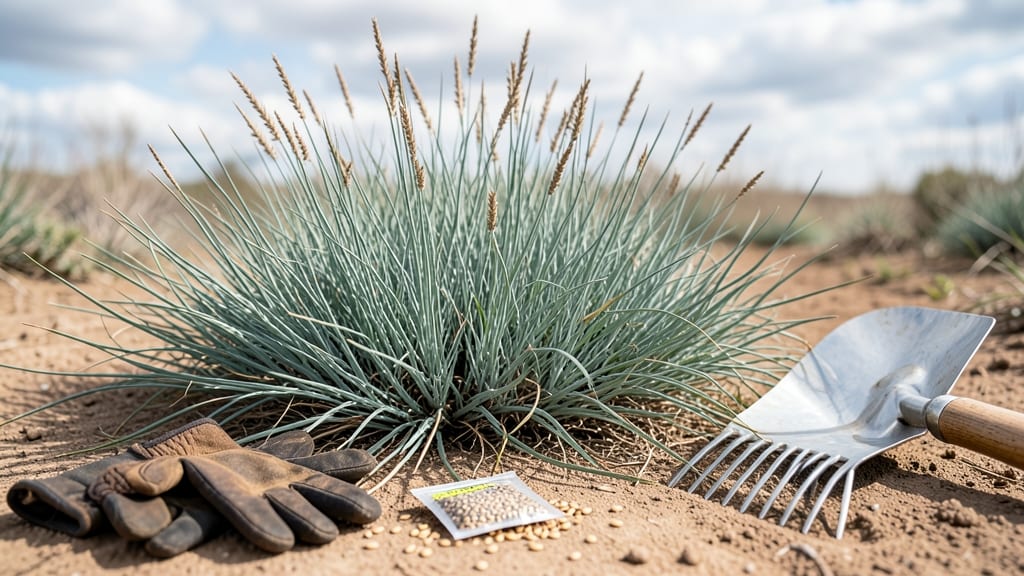
Planting buffalo grass seed in Kansas at the right time means the difference between a lush, drought-proof lawn and a struggle against heat and weeds 🌱.
You might think late spring is the best time, but Kansas’ unpredictable weather and soil temperatures can turn that window into a gamble. The truth? Late summer to early fall—August through September—gives your seed the cool, moist conditions it needs to germinate strong before winter hits.
This isn’t just about timing; it’s about matching your USDA zone (5b-7a) with the perfect moment when soil is warm enough but not scorching, and rainfall is reliable. Get it wrong, and you’ll spend the next year battling dry patches or invasive grasses.
Below, I break down the exact months to plant by zone, soil prep secrets, and a step-by-step schedule to ensure your buffalo grass takes root fast—no guesswork, just results.
Best planting months for buffalo grass seed in Kansas by hardiness Zone
Kansas' USDA zones 6-7 create perfect conditions for buffalo grass—but timing is everything. Plant too early, and seedlings face spring frost risks. Plant too late, and summer heat stresses young roots. The ideal window depends on your specific zone and soil temperature trends.
Most Kansas gardeners achieve 90%+ germination rates by planting in late summer (August-September) when soil temperatures stabilize between 65°F-75°F. This gives seedlings 6-8 weeks to establish roots before winter dormancy. However, early spring (April-May) can work in Zone 7 areas with milder winters.
Soil temperature is your #1 indicator—wait until soil reaches at least 60°F at 4" depth. Use a soil thermometer to check daily. In Zone 6, this typically happens mid-to-late August, while Zone 7 areas may see it a week earlier. Planting too soon risks seedling rot from lingering cool, wet soil.
Rainfall patterns also shift your timeline. Kansas experiences peak summer drought by July, making late summer planting ideal. The first 2 weeks of August often bring consistent moisture without the intense heat of July. Aim for 1-1.5 inches of rainfall per week during establishment to prevent seed desiccation.
| Planting Window | USDA Zone 6 | USDA Zone 7 | Key Considerations |
|---|---|---|---|
| Late Summer (Primary) | August 15 - September 15 | August 1 - September 10 | Soil temps 65°F-75°F; 6-8 weeks before frost |
| Early Spring (Secondary) | April 20 - May 10 | April 1 - May 5 | Soil temps 55°F-65°F; Risk of late frost |
| Soil Temp Requirement | 60°F+ at 4" | 60°F+ at 4" | Use thermometer; wait for consistency |
| Rainfall Needs | 1-1.5" weekly | 1-1.5" weekly | Irrigate if <1" rainfall; avoid overhead watering |
| Establishment Time | 6-8 weeks | 6-8 weeks | Reduce watering after 3 months for drought tolerance |
For Zone 6 gardeners, August 15-September 15 offers the sweet spot—warm soil, cooling air, and reduced weed competition. This window gives buffalo grass 6-8 weeks to develop a 3-inch root system before winter.
In Zone 7, you can push slightly earlier (August 1-September 10) since first frost typically arrives 2 weeks later.
If you choose early spring planting, monitor frost forecasts closely. Kansas' average last frost is April 15, but Zone 6 areas can see late frosts into May.
Plant no earlier than April 20 and use frost cloth if nights dip below 32°F. Spring-planted grass may also face increased weed pressure from early-season broadleaf weeds.
Pro tip: Test your soil's moisture retention before planting. Kansas' clay-heavy soils in eastern regions benefit from compost amendments, while western sandy soils need organic matter to hold moisture.
Aim for 1-2 inches of organic material mixed into the top 6 inches of soil to improve seed-to-soil contact and water infiltration.
Remember: Buffalo grass is drought-tolerant once established, but seedlings need consistent moisture
Critical factors that determine your planting timeline in Kansas
Kansas’ unpredictable weather and drought-prone conditions make timing everything when planting buffalo grass. Unlike cool-season grasses, buffalo grass thrives in late summer heat but needs moist soil to germinate—two conditions Kansas rarely delivers at the same time.
Your planting window hinges on three key factors: soil temperature (ideal: 65°F-75°F), rainfall patterns (avoid drought months), and frost risk (plant 4-6 weeks before the first frost). Ignore these, and you’ll face poor germination or seedling death from winter’s early chill.
⚠️ Kansas-Specific Warning: Planting Too Early or Late
Early spring planting (March-April) risks drought stress as soil dries out before germination. Late fall planting (October-November) exposes seedlings to early frosts, stunting growth. Aim for August-September when soil stays warm but rainfall increases.
In USDA Zone 6b (northern Kansas), focus on late August to give seedlings time to establish before the October 15 frost date. For Zone 7a (southern Kansas), early September works best—longer growing season means more time for roots to develop.
Check your local rainfall averages: July-August often sees 2-3 inches of rain, perfect for buffalo grass. If your area is in drought (like western Kansas), delay planting until September when storms typically return. Use a soil moisture meter to confirm 2-3 inches deep is damp.
Another critical factor is weed competition. Buffalo grass germinates slowly (14-21 days), so planting in late summer lets you pre-emergent treat weeds in spring before they sprout. Skip this step, and weeds will choke your seedlings.
Pro tip: Test your soil pH (ideal: 6.0-7.5) before planting. Kansas’ alkaline soils often need sulfur or peat moss to adjust pH. A $20 soil test kit from your local Kansas State University Extension office saves headaches later.