
Plants
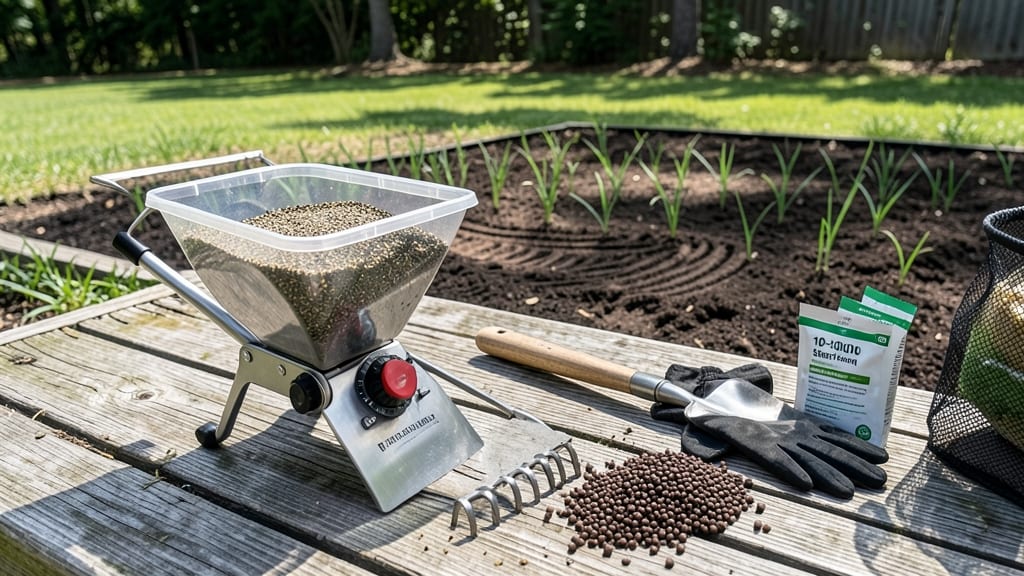
Planting grass seed in Georgia at the wrong time can turn your lawn dreams into a patchy, weed-filled disappointment—but nail the timing, and you’ll get a thick, green carpet that outlasts summer’s heat and winter’s chill.
Georgia’s humid summers and mild winters create the perfect window for lush lawns—but timing your grass seed planting wrong can mean wasted effort and patchy growth. Missing the ideal soil temperatures or seasonal deadlines in Zones 7B-8A could leave your lawn struggling against weeds and heat stress.
Cool-season grasses like tall fescue thrive when soil temps hover between 60-65°F, while warm-season varieties like Bermuda need the ground to warm to 70°F or higher.
Plant too early, and frost will kill tender sprouts; too late, and summer’s scorching sun will dry them out before they take hold.
In this guide, I’ll break down the exact monthly deadlines for Georgia’s two planting seasons, how to check soil temps like a pro, and the 3 biggest mistakes that turn seed into dust. No guesswork—just a lawn that stays green all year.
Georgia grass seed planting deadlines by zone 7B-8A months
Georgia’s Zone 7B-8A climate offers two prime windows for planting grass seed, but timing is everything. Cool-season grasses like tall fescue and ryegrass thrive in spring and fall, while warm-season varieties such as Bermuda and Zoysia demand early summer planting.
Missing these windows risks seed failure due to extreme heat or cold, leaving your lawn vulnerable to weeds and poor establishment.
In Zone 7B (northern GA), aim for late February through April for cool-season grasses and late April through June for warm-season types. For Zone 8A (southern GA), shift your focus to March through May for cool-season and May through early July for warm-season varieties.
These adjustments account for Georgia’s gradual temperature shifts and humidity spikes.
Soil temperatures below 50°F or above 85°F can halt germination, making timing critical. For example, planting tall fescue in August risks heat stress, while seeding Bermuda grass in October may fail due to cooler soils. Let’s break down the exact monthly deadlines to avoid these pitfalls.
🌱
| Grass Type | Zone 7B Deadlines | Zone 8A Deadlines | Soil Temp Range (°F) | Key Risk |
|---|---|---|---|---|
| Cool-Season: Tall Fescue | Late Feb - Early May | March - Mid-May | 50°F - 70°F | Heat stress after May |
| Cool-Season: Ryegrass | Late Feb - Early April | March - Early May | 45°F - 65°F | Dormancy if planted too late |
| Warm-Season: Bermuda | Late April - June | May - Early July | 70°F - 85°F | Slow germination below 65°F |
| Warm-Season: Zoysia | Late April - July | May - Early August | 65°F - 80°F | Weed competition in late summer |
| Overlap Option: Centipede | April - June | May - July | 60°F - 75°F | Fungal risk if too wet |
For Zone 7B gardeners, focus on late February through April for cool-season grasses like tall fescue, which thrives when daytime highs reach 60-70°F. In Zone 8A, extend this window slightly into May due to warmer soils.
Warm-season grasses like Bermuda demand late April to June planting in Zone 7B, while Zone 8A’s longer growing season allows seeding until early July.
Pro tip: Use a soil thermometer to verify temperatures before planting. For example, tall fescue seeds may sprout at 50°F, but optimal germination occurs at 60-65°F.
Planting too early risks frost damage, while waiting too long leads to weed competition. Balance is key—aim for 4-6 weeks before summer’s peak heat for warm-season varieties.
If you’re overseeding an existing lawn, late summer (August) can work for cool-season grasses, but only if nighttime temperatures stay above 65°F. This strategy helps establish new grass before winter dormancy sets in.
For new lawns, however, stick to the spring deadlines to give seedlings enough time to root before summer’s intensity.
Georgia’s humidity also plays a role—overwatering in summer can drown seeds, while underwatering in spring causes crusting. Use a light mulch (like straw) to retain moisture without suffocating seedlings.
Pair this with daily watering (about ¼ inch) until germination, then taper to 1 inch per week once grass reaches 2-3 inches tall.
💧
Don’t overlook soil preparation—Georgia’s clay-heavy soils need aeration and compost to improve drainage. Test your soil’s pH (
Soil temperature triggers for grass seed germination in Georgia
Understanding soil temperature triggers is the secret to successful grass seed germination in Georgia’s unpredictable climate. Cool-season grasses like tall fescue and ryegrass need soil temps between 60-65°F to sprout reliably, while warm-season varieties such as Bermuda and Zoysia demand 70-75°F for optimal growth.
Planting too early risks frost damage, while waiting too late can expose tender sprouts to summer’s scorching heat.
Georgia’s Zone 7B-8A climate creates two prime planting windows: early spring (March-April) and late summer (August-September). Each grass type has its own temperature sweet spot—cool-season grasses germinate best when soil warms to 55-65°F, while warm-season grasses thrive at 70-75°F.
Missing these ranges can turn your seed investment into a patchy, weed-infested disappointment.
Here’s the key-takeaway for Georgia gardeners: Wait for soil temperatures to stabilize before planting—cool-season grasses in spring and warm-season grasses in late summer. Use a soil thermometer (available for under $10) to check temps at 4-inch depth, the zone where seeds germinate.
If temps spike unexpectedly, shade the area with a light tarp or mulch to protect young seedlings.
🌱 Georgia Grass Seed Soil Temp Triggers
| Grass Type | Ideal Soil Temp (°F) | Best Planting Window | Risk if Too Early/Late |
|---|---|---|---|
| Tall Fescue | 60-65°F | March-April, Sept-Oct | Frost damage, heat stress |
| Ryegrass | 55-60°F | Feb-March, Sept | Frost kill, slow growth |
| Bermuda | 70-75°F | May-June, Aug-Sept | Drought stress, poor germination |
| Zoysia | 70-75°F | May-July, Aug | Heat shock, weed takeover |
💡 Pro Tip: Test soil temps for 3 consecutive days at 4-inch depth before planting. Morning (9-10 AM) is the best time for accurate readings.
If your soil thermometer shows temps outside the ideal range, don’t panic—there are ways to adjust. For cool-season grasses planted too early, use row covers or black plastic mulch to warm the soil faster.
Conversely, if summer heat arrives early, shade cloth or mulch can lower soil temps and protect seedlings from drying out.
For warm-season grasses, like Bermuda or Zoysia, wait until soil temps consistently hit 70°F before planting. If you’re eager to start and temps are still cool, consider starter fertilizer with phosphorus to jumpstart root growth once conditions improve.
Always water deeply 2-3 times daily until germination occurs to keep soil moisture stable.
Remember, patience is key—rushing the process can lead to weak, uneven germination. By monitoring soil temps and adjusting for Georgia’s climate quirks, you’ll give your grass seed the perfect conditions to thrive from day one. 🌱