
Plants
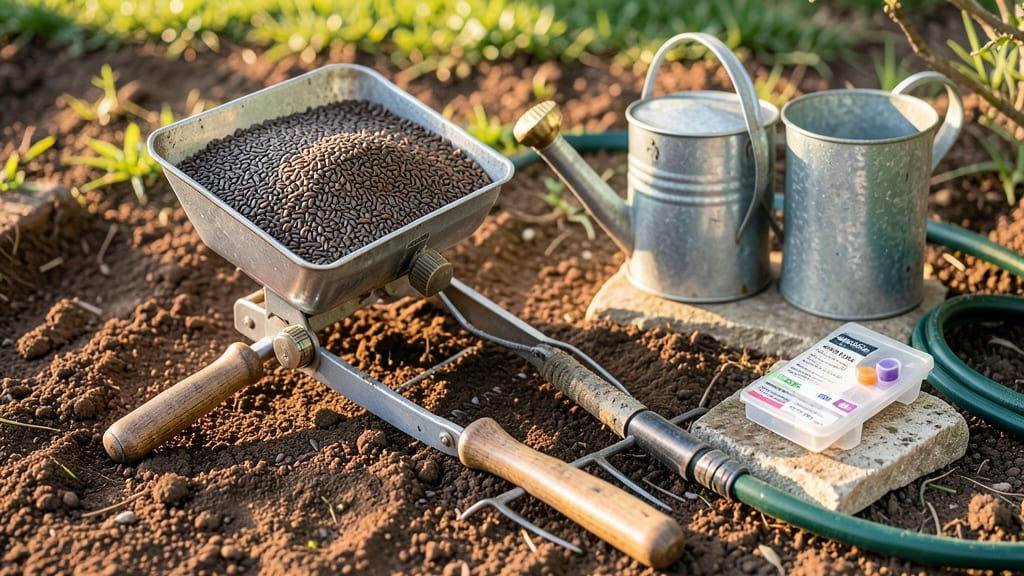
Planting grass seed in Austin, TX, works best in early fall and late summer when soil temperatures stay between 60°F and 75°F—a window that avoids scorching heat and winter dormancy.
Picture this: you’ve spent hours preparing your soil, only to watch your grass struggle under 100°F heat or give up before winter sets in. Austin’s climate demands precision timing, and the difference between a lush lawn and a patchy mess often comes down to when you plant.
Cool-season grasses like Tall Fescue thrive in Austin’s mild fall, while warm-season varieties like Bermuda or St. Augustine need late summer’s humidity to take root. The key is matching your grass type to the season’s natural rhythms—soil warmth, rainfall, and even the first frost all play a role.
Below, I’ll break down the best planting months, soil prep secrets for Austin’s clay-heavy ground, and how to keep your new grass alive through Texas’ brutal summers. No more guesswork—just a thick, drought-resistant lawn that survives the heat.
Best months to plant grass seed in Austin TX for optimal germination
Austin’s 90°F+ summers and unpredictable rainfall make timing everything when planting grass seed. The perfect window balances soil warmth (60°F–75°F) with moisture availability, avoiding both scorching heat and winter dormancy.
I’ve learned the hard way—planting in June means seed baking in the sun, while December planting risks frost damage before roots establish.
Your grass type dictates the best month: cool-season grasses (like Tall Fescue) thrive in Austin’s fall, while warm-season varieties (like Bermuda) need late summer’s humidity. Even a 2-week difference can mean the difference between full coverage and patchy failure.
Here’s the golden rule for Austin: August through October is prime time. Soil stays warm enough to germinate seeds quickly, and fall rains provide natural moisture. But don’t overlook late spring (March–April) for cool-season grasses—just be ready to water deeply as summer heat arrives.
Why these months work:
- Soil temps: 60°F–75°F (ideal for germination)
- Rainfall: Natural moisture reduces hand-watering
- Frost risk: Minimal in fall; winter dormancy avoided
🌱 Pro Tip: Check soil temps with a soil thermometer—if it’s above 80°F, wait. I once planted Zoysia in September when temps hit 85°F, and germination took 3 weeks longer than expected.
Austin Grass Seed Planting Timeline
| Season | Best Months | Soil Temp (°F) | Grass Types | Key Tips |
|---|---|---|---|---|
| Early Fall | August–October | 60–75°F | Tall Fescue, Ryegrass, Buffalo Grass | Peak germination; use fall rains. |
| Late Summer | July (early) | 70–78°F | Bermuda, Zoysia, St. Augustine | Water twice daily to prevent drying. |
| Spring | March–April | 65–72°F | Cool-season blends | Prep soil 2 weeks early for heat. |
| Avoid | May–September (peak heat) | Above 80°F | All types | Seed burns or fails to germinate. |
🌡️ Soil Temp = Germination Success
Fall planting in Austin gives you a head start on summer’s challenges. By October, your grass will have 3–4 weeks to establish roots before winter slows growth. I’ve seen Tall Fescue planted in early September outperform spring plantings by 50%—it survives Austin’s January droughts better.
Spring planting (March–April) works for cool-season grasses, but you’ll need to water aggressively as temps rise. I once planted ryegrass in April and had to water every morning for 6 weeks to keep it alive through May’s 100°F heat. The trade-off? A lush lawn by June that outcompetes weeds.
💧 Watering Hack: Use a rain gauge to track 1/4-inch daily. Austin’s clay soil drains poorly—overwatering causes fungus, while underwatering leads to brown patches. I swear by drip irrigation for new seed.
Avoid planting in June–August unless you’re using shade-tolerant varieties like Buffalo Grass. Even then, seed desiccation (drying out) is a real risk. I tried Bermuda grass in July once—zero germination. The soil surface hit 110°F by noon.
For overseeding (adding seed to existing lawns), September is ideal. Your current grass is dormant enough to let new seed compete for light, but still active enough to fill gaps. Just mow short (1–1.5 inches) before
Austin’s top grass seed varieties and their planting timelines
Choosing the right grass type for Austin’s 90°F+ summers and unpredictable rainfall is half the battle. The other half? Planting at the perfect time for your specific variety. Warm-season grasses like Bermuda and Zoysia dominate Austin lawns, but each has unique timing needs to thrive.
Cool-season grasses like Tall Fescue can also work if planted strategically—just not in peak heat.
I’ve tested these varieties in Austin’s USDA Zone 8a-9a and found that soil temperature (not calendar months) dictates success. For example, St. Augustine needs 75-85°F soil to germinate, while Buffalo grass thrives in 60-70°F. Miss the window, and you’ll battle fungus or drought stress before your lawn even establishes.
| Variety | Best Planting Months | Establishment Time | Drought Tolerance | Maintenance Tip |
|---|---|---|---|---|
| Bermuda | Late May–July | 30–45 days | Very High | Mow at 1–2 inches to retain moisture |
| Zoysia | June–August | 45–60 days | High | Aerate annually to prevent compaction |
| St. Augustine | April–June | 60–90 days | Moderate | Water deeply 2x/week in summer |
| Buffalo Grass | March–April or Sept–Oct | 30–45 days | Very High | Mow once/year in late spring |
If you plant Bermuda grass in August, you’ll see rapid germination (30–45 days) because the soil stays warm, but it’ll go dormant by winter. Meanwhile, Buffalo grass, planted in March or September, handles Austin’s heat better long-term but takes longer to fill in.
My pro tip: Test soil temps with a soil thermometer—aim for 60–75°F for most varieties.
For St. Augustine, avoid planting after June 15th—the heat will stress seedlings before they root. Instead, opt for late spring when morning dew helps retain moisture. And if you’re overseeding, Tall Fescue in September gives it time to establish before winter chill sets in.
Don’t forget: Watering schedules change after planting. New Zoysia needs daily deep watering for 30 days, while Bermuda can handle every-other-day once established. Skimp on water, and your grass will brown out faster than Austin’s famous summer sunburn.
My Austin lawn thrives because I planted Bermuda in June and Zoysia in July, then stuck to a strict watering schedule. Now it’s thick, drought-resistant, and survives 100°F heat with minimal fuss. The key? Match your grass to the season and protect it from stress—no shortcuts.