
Plants
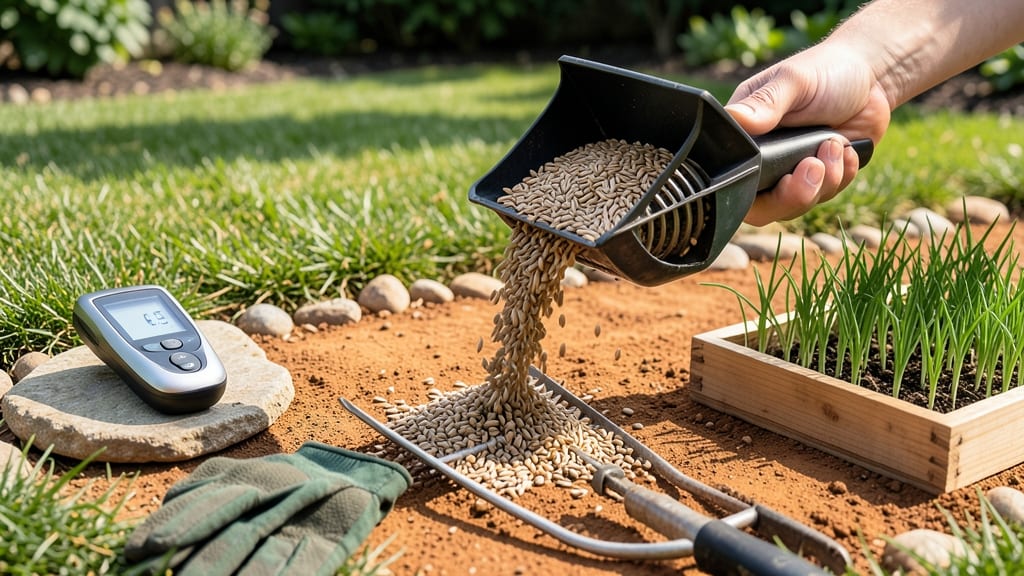
Planting grass seed in Arkansas at the right time can mean the difference between a lush lawn and a patchy disappointment — aim for early spring or early fall when soil temps hit 50°F to 75°F.
Struggling to get your Arkansas lawn looking lush and green? Timing your grass seed planting perfectly can mean the difference between a thriving yard and wasted effort — especially when soil temperatures and regional microclimates play such a critical role.
In Arkansas’s 7a-8b zones, early spring (March–April) or early fall (August–September) are your best bets. Cool-season grasses like tall fescue love the 50°F–65°F window, while warm-season Bermuda thrives when soil hits 65°F–75°F.
Below, I’ll break down the exact months to plant by region, how to prep your soil for fast germination, and the top grass types that perform best in Arkansas’s heat and humidity.
Best months to plant grass seed in Arkansas based on soil temperature
Timing your grass seed planting in Arkansas isn't just about the calendar—it's all about soil temperature. Cool-season grasses like tall fescue thrive when soil hovers between 50°F-65°F, while warm-season varieties such as Bermuda grass need 65°F-75°F to germinate properly.
Arkansas's diverse regions—from the Ozark Mountains to the Mississippi Delta—create unique microclimates that shift these windows by weeks.
In North Arkansas (USDA Zones 6a-7a), cooler temperatures linger later into spring, while the Delta region (Zone 7b-8a) warms up faster. This means a March-April planting works for cool-season grasses in the Ozarks, but you might need to wait until late April in the Delta.
For warm-season grasses, late May through June is ideal in southern Arkansas, while northern areas can start as early as mid-May.
Fall planting offers a second chance for success. Cool-season grasses should go in August-September when soil temps drop below 75°F but stay above 50°F. Warm-season grasses planted in late summer may struggle with Arkansas's sudden fall freezes, so timing is critical.
The Ozarks' cooler nights make early September perfect, while the Delta can extend planting into mid-October.
Spring planting in Arkansas comes with risks. Sudden heatwaves or drought stress can kill young seedlings, while late frosts in March can damage newly germinated cool-season grasses. I recommend planting tall fescue in early April when soil temps consistently stay above 50°F for at least a week.
For Bermuda grass, wait until soil reaches 70°F+—typically mid-May in most regions.
Fall offers a more forgiving window for cool-season grasses. By planting in late August or early September, you avoid summer's intense heat while giving seedlings time to establish before winter. The Ozarks' cooler nights make this period ideal, while the Delta's warmer soils can extend planting into October.
Just be mindful of first frost dates, which average November 15 in northern Arkansas but can arrive as early as October 30 in the Delta.
Regional rainfall patterns also play a role. North Arkansas often sees drier springs, so I recommend pre-watering the soil before planting to ensure consistent moisture. In contrast, the Delta's humid summers can lead to fungal issues, making early morning watering and proper drainage essential.
Always check your local Arkansas Cooperative Extension Service reports for weekly soil temperature updates—they're invaluable for fine-tuning your planting schedule.
One common mistake I see is planting warm-season grasses too early. Seeds may germinate, but the grass struggles when nighttime temps drop below 60°F. For Zoysia grass, which thrives in Arkansas
How to check soil temperature and prepare your Arkansas lawn for planting
Getting your Arkansas lawn ready for grass seed requires more than just picking a month—soil temperature is the secret weapon for fast germination. In Arkansas’s 7a-8b zones, cool-season grasses like tall fescue need 50°F–65°F soil temps, while warm-season Bermuda thrives at 65°F–75°F.
Testing your soil’s warmth ensures your seeds wake up ready to grow.
Before you grab your seed packet, check if your soil is truly ready.
A soil thermometer (just $10 at garden centers) gives precise readings, but you can also use the DIY finger test: push your hand 2–3 inches deep—if it feels comfortably warm (not hot or cold), your soil’s likely in the ideal range.
Arkansas’s spring can swing wildly, so timing matters more than ever.
-
Step 1: Test Soil Temperature
Use a soil thermometer at 2-inch depth in morning shade. Aim for 50°F–65°F (cool-season) or 65°F–75°F (warm-season). -
Step 2: Clear the Seedbed
Remove debris, rocks, and weeds—use a rake for smooth, firm soil. Arkansas’s clay soil? Loosen it with a tiller or garden fork to 4 inches deep. -
Step 3: Level and Rake
Drag a level board over high spots and fill low areas with topsoil. Rake lightly to create a fine, crumbly texture—seeds need good contact with soil. -
Step 4: Adjust for Arkansas Weather
If temps are below 50°F, wait 1–2 weeks or use a lightweight row cover to warm soil. For summer planting, water deeply 2x daily to keep soil cool. -
Step 5: Plant and Protect
Spread seed evenly with a broadcast spreader, then lightly rake to cover seeds ¼-inch deep. Water gently to avoid washing seeds away—Arkansas’s afternoon thunderstorms can be brutal!
Prepping your Arkansas lawn isn’t just about planting—it’s about outsmarting the weather. If you’re seeding in early spring, watch for late frosts (common in North Arkansas) and delay planting until after March 15.
For fall planting, aim for August–September to avoid the scorching Delta heat of July.
Don’t skip the soil test—Arkansas’s acidic clay can stunt grass growth. Add lime (for pH >6.0) or sulfur (for pH <5.5) 4–6 weeks before planting. A compost top-dressing also improves drainage, which is critical in Arkansas’s heavy rainfall seasons.
Once your seeds hit the ground, consistent moisture is key. Water lightly daily (not deep) for the first 2 weeks—Arkansas’s sun can dry out seeds fast.
After germination, gradually increase watering to ½-inch per week, focusing on early morning to prevent fungal diseases like brown patch, which thrives in Arkansas’s humidity.
With the right soil temp and prep, your Arkansas lawn will germinate in 7–14 days and establish a thick, resilient turf. Skip the shortcuts—your future mowing sessions will thank you! 🌱