
How To
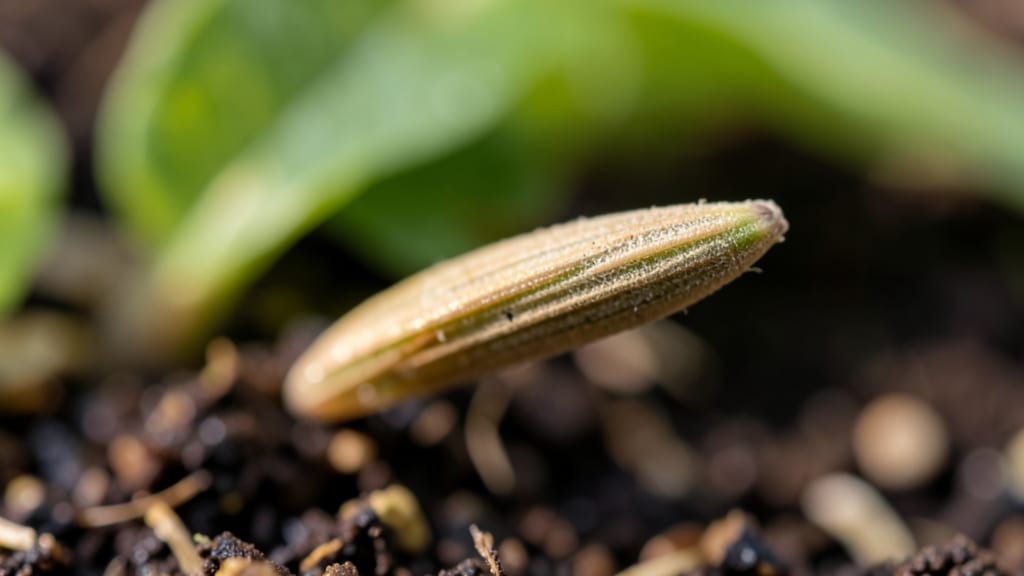
Planting centipede grass seed in North Carolina between mid-May and early June is the key to a thick, resilient lawn that handles the state’s heat and humidity like a champ.
If you’ve ever watched your grass struggle through a North Carolina summer—browning under the sun or choking on weeds—you know timing matters. Plant too early, and frost can wipe out your progress.
Too late, and the heat zaps germination before it starts. But nail that late spring window, and you’re rewarded with fast establishment and years of low-maintenance growth.
Centipede grass thrives in North Carolina’s 7a-8b zones, where soil temperatures hit the 70°F+ sweet spot for seedling success.
That means waiting until the ground warms up after the last frost (usually around March 15, but verify locally) and holding off until humidity levels drop just enough to keep mold at bay.
Below, I’ll walk you through the exact planting window by region, soil prep secrets, and how to keep your new lawn lush—plus when sod might be the smarter move for scorching summers.
Optimal planting window for centipede grass seed in North Carolina (with climate zones)
North Carolina’s 7 distinct climate zones (7a-8b) create microclimates where centipede grass seed thrives only when planted during its 70°F+ soil temperature window. The ideal window spans mid-May to early June, but exact timing shifts depending on whether you’re in the cooler Mountains or hotter Coastal Plain.
This window balances warm soil (critical for germination) with lower humidity (reducing fungal risks).
Centipede grass is heat-tolerant but hates cold soil. Planting before May risks frost damage to seedlings, while waiting past June exposes seeds to intense summer heat, which can bake them before sprouting.
The 30-day window between mid-May and early June gives seeds time to establish roots before North Carolina’s dog days of summer kick in.
Here’s how the planting window breaks down by zone, with soil temperature thresholds and heat tolerance notes:
For Zone 7a (Mountains), like Asheville, hold off until late May when soil temperatures consistently hit 70°F. The cooler climate means seeds may take 2-3 weeks longer to germinate compared to the Coastal Plain.
In contrast, Zone 8b (Southern Coastal), such as Wilmington, can start as early as late April when soil temperatures exceed 78°F. The key is soil, not air temperature—use a soil thermometer to verify before planting.
Centipede grass hates transplant shock, so seed is your best bet for North Carolina’s climate. However, if you’re in Zone 8a or 8b and facing extreme summer heat, consider sod instead.
Sod establishes in 2-3 weeks vs. seeds’ 6-8 weeks, giving roots a head start before July’s heat peaks. For seeds, prioritize morning watering to reduce fungal risks in humid zones like the Coastal Plain.
One common mistake? Planting centipede grass seed in August or September for a "fall lawn." While possible in Zone 7a, the shorter daylight hours slow growth, and seeds struggle to establish before first frost (Nov 15).
Stick to late spring for the best results, and you’ll see 70% faster germination compared to off-season planting.
Pro tip: If your soil tests below 70°F in May, use a black plastic mulch for 1-2 weeks to warm it faster. This trick works especially well in Piedmont zones (7b), where soil warms slower than the Coastal Plain.
Just remove the mulch before seeding to avoid overheating seeds.
Finally, centipede grass’s slow early growth (compared to Bermuda) means you’ll see minimal visible progress for the first 4-6 weeks. Stay patient—consistent morning watering (1 inch per week) and light fertilization (10-0-10) during this window will pay off with a dense, shade-tolerant lawn by July.
How to prepare your North Carolina lawn for centipede grass seed planting (step-by-step)
Once you’ve nailed the mid-May to early June planting window, the real work begins: preparing your North Carolina lawn for centipede grass seed. Unlike aggressive grasses like Bermuda, centipede thrives on low-maintenance conditions—but only if you set it up right.
Skipping soil prep can mean poor germination, weed takeover, or a lawn that struggles in NC’s heat and humidity.
Start with a soil test to confirm your lawn’s pH is between 5.0 and 5.5. Centipede grass hates alkaline soil, and a pH above 6.0 will stunt its growth.
If your test shows higher pH, amend the soil with elemental sulfur (apply 2-3 weeks before planting) or peat moss to lower it gradually. For faster results, use a lime-free fertilizer designed for acid-loving grasses.
⚠️ WARNING: Planting centipede grass seed in North Carolina without proper prep is like building a house on sand—it’ll fail when the weather turns tough. Here’s what you’re risking if you skip steps:
- Weed dominance: Centipede grass grows slowly at first. If weeds aren’t controlled, they’ll outcompete seedlings before they establish.
- Fungal rot: NC’s humidity + compacted soil = perfect conditions for damping-off disease, which kills seedlings within days.
- Poor root depth: Without proper soil aeration, roots stay shallow, making your lawn vulnerable to drought and heat stress.
Next, clear the area of existing weeds and debris. Use a non-selective herbicide like glyphosate (e.g., Roundup) 2-3 weeks before planting to kill weeds without harming the soil. For organic options, smother weeds with black plastic mulch for 4-6 weeks to solarize the area. After herbicide treatment, till the soil to a depth of 3-4 inches to break up compaction and mix in 2-3 inches of compost or aged manure.
Centipede grass has low fertilizer needs—too much nitrogen early on can burn seedlings. Instead, apply a low-nitrogen starter fertilizer (like 10-0-10) at a rate of 0.5 lbs per 100 sq ft right before seeding. This boosts phosphorus for root development without overstimulating top growth.
For sandy soils common in the Coastal Plain, mix in peat moss to improve water retention, while clay-heavy Piedmont soils benefit from gypsum to loosen the texture.
When seeding, scatter the grass seed evenly using a broadcast spreader and lightly rake it into the soil to a depth of ¼ inch. Deeper planting risks poor germination, while shallower coverage leaves seeds exposed to birds and drying winds.
In Zone 8a and 8b, consider a light straw mulch (¼ inch thick) to protect seeds from intense sun and retain moisture during NC’s dry spells.
After planting, water lightly but frequently—aim for ¼ inch of water daily (or every other day if rain occurs) until germination (typically 10-14 days). Once seedlings reach 2-3 inches tall, switch to deep, infrequent watering (1 inch per week) to encourage deep root growth.
Avoid watering in the evening to prevent fungal diseases, especially in humid Coastal Plain areas.
Your first mowing shouldn’t happen until the grass reaches 3-4 inches tall, and even then, set your mower blade to no lower than 2 inches to protect the shallow root system.
Centipede grass’s slow early growth means patience is key—stick to the mid-May to early June window, and you’ll reward yourself with a thick, shade-tolerant lawn that thrives in NC’s climate without the high maintenance of other grasses. 🌱