
Plants
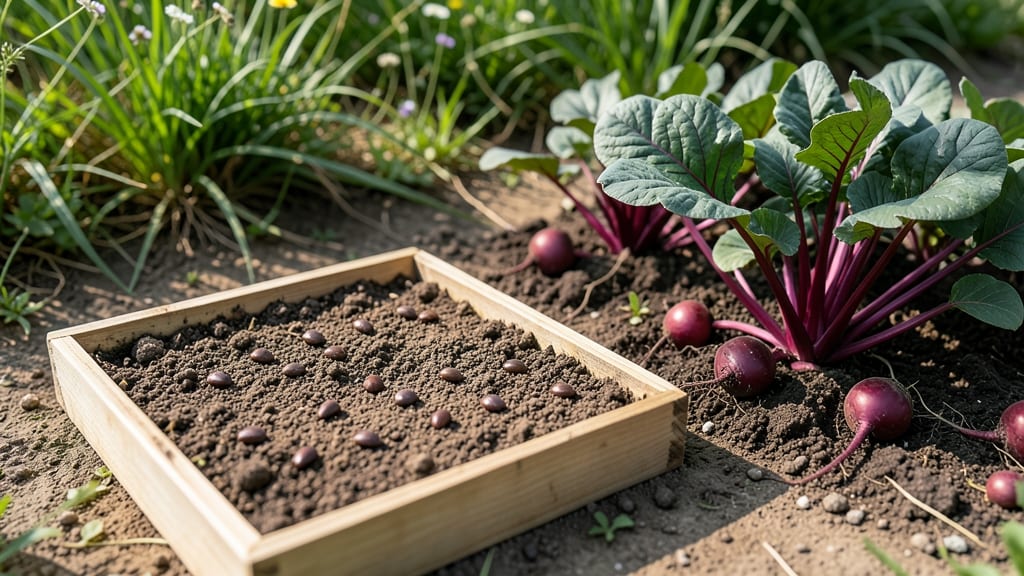
To plant beet seeds in Zone 6, aim for early spring when soil reaches 45°F—or late summer for a second harvest before frost.
Beets thrive in cool weather, but planting them at the wrong time can mean slow germination or bitter roots. In Zone 6, timing is everything—miss the window, and you’ll end up with scraggly greens instead of sweet, tender 🍠 harvests.
Spring planting starts as early as March, once the ground warms slightly, while late summer offers a second chance in July or August. The key is soil temperature: too cold, and seeds rot; too hot, and they bolt.
Below, I’ll break down the exact weeks to plant for fast germination and the best spacing for a continuous harvest.
You’ll learn how to read your soil’s readiness, adjust for Zone 6’s unpredictable summers, and even squeeze in a fall crop if you act fast. No guesswork—just a foolproof schedule for beets that grow fast and taste perfect.
Best planting windows for beets in Zone 6 based on soil temperature
Beets are cool-season crops that prefer soil temperatures between 45°F and 85°F for optimal germination and growth. In Zone 6, timing is critical—plant too early, and frost may damage seedlings; too late, and heat stress can make roots woody or bitter.
The key is aligning your planting with soil warmth and frost dates to maximize your harvest window.
Spring planting in Zone 6 typically starts as early as late March, once soil temperatures consistently reach 50°F. Fall planting, however, begins in late July or early August, when summer heat begins to wane.
Both windows ensure your beets grow sweet and tender rather than tough or pithy. Let’s break down the exact soil temperature thresholds and planting strategies for each season.
For spring planting, I recommend starting with early varieties like ‘Early Wonder’ or ‘Detroit Dark Red’ in late March, when soil temperatures hover around 45°F–50°F. These varieties germinate quickly and tolerate light frosts.
If you’re in Zone 6b with later frost dates, wait until mid-April to ensure seedlings aren’t nipped by unexpected cold snaps.
Mid-spring, when soil warms to 55°F–65°F (typically May), is the golden window for beet planting. This range ensures fast germination (5–7 days) and prevents bolting (flowering too soon). Space seeds 1–2 inches apart and thin to 3–4 inches once seedlings are 2–3 inches tall.
Succession planting every 2 weeks guarantees a steady supply of fresh beets through summer.
In late summer, when daytime highs soar but nights cool, aim for late July or early August plantings. Soil temperatures should stay below 80°F to avoid stress.
Varieties like ‘Chioggia’ or ‘Cylindra’ handle slight heat better than others. Use shade cloth (30–50%) if your area hits 90°F+ to prevent bolting or bitter roots.
Fall plantings in Zone 6 should start by mid-August, with the last batch sown by September 1st. The goal is to harvest before the first frost (Oct 15).
Beets planted in fall actually sweeten more as they experience cooler nights, making them a gardener’s favorite. Choose smaller varieties like ‘Babystep’ for quicker harvests in shorter fall windows.
Pro tip: Use a soil thermometer to check temperatures before planting. If your soil is below 45°F, wait a few days—cold soil delays germination and can lead to rot.
Conversely, if temps exceed 85°F, your beets may bolt or develop tough fibers. Aim for consistent 60°F–70°F for the best results.
Finally, don’t overlook succession planting! By staggering your plantings every 2 weeks in spring and fall, you’ll enjoy a continuous harvest from June through October. This strategy also reduces the risk of pests or diseases wiping out your entire crop at once.
With these soil temperature guidelines and planting windows, you’ll grow sweet, tender beets all season long—no bitter surprises here! 🌱
How to adjust planting for beet success in Zone 6’s hot summers
Zone 6’s hot summers can turn your beet harvest from sweet to bitter or stunted if you don’t adjust your planting strategy. Beets prefer cool soil temperatures (50°F–75°F), but with the right techniques, you can still grow them successfully during summer’s peak heat.
The key is shade, timing, and variety selection—let’s break down how to beat the heat.
First, focus on late summer planting (July–August) when soil temperatures start cooling slightly. This window gives your beets a chance to mature before fall frosts arrive. For spring plantings, use shade cloth (30–50%) to protect seedlings from intense afternoon sun, especially in June.
Even a few hours of shade can make a huge difference in germination rates and root quality.
⚠️ callout warning
⚠️ Critical Summer Planting Warning
Planting beet seeds when soil temps exceed 85°F can cause slow germination (14+ days) or bolting (premature flowering). Use a soil thermometer to check before sowing—ideal temps are 50°F–75°F. If temps are too high, wait until evening to plant and water deeply immediately to cool the soil.
Pro Tip: Soak seeds overnight before planting in hot weather to jumpstart germination.
Choose heat-tolerant beet varieties like ‘Detroit Dark Red’ or ‘Chioggia’, which handle summer heat better than standard types. These varieties also resist bolting (going to seed), a common issue when days get long.
For extra protection, plant in raised beds filled with organic matter, which retains moisture and stays cooler than open ground.
Succession planting is your best friend in Zone 6 summers. Instead of sowing all your seeds at once, stagger plantings every 2–3 weeks from July through early August. This ensures a continuous harvest and reduces competition for resources.
Thin seedlings to 3–4 inches apart once they’re 2–3 inches tall—crowding stresses plants and makes them more susceptible to pests and disease.
Watch for warning signs of heat stress like yellowing leaves, stunted growth, or hollow cores in the roots. If you spot these, increase watering to 1–1.5 inches per week and mulch with straw or grass clippings to keep roots cool.
Avoid fertilizing during extreme heat, as it can burn roots and worsen stress.
With these adjustments, you’ll enjoy sweet, tender beets even in Zone 6’s hottest months—no bitter surprises here! 🌱