
Plants
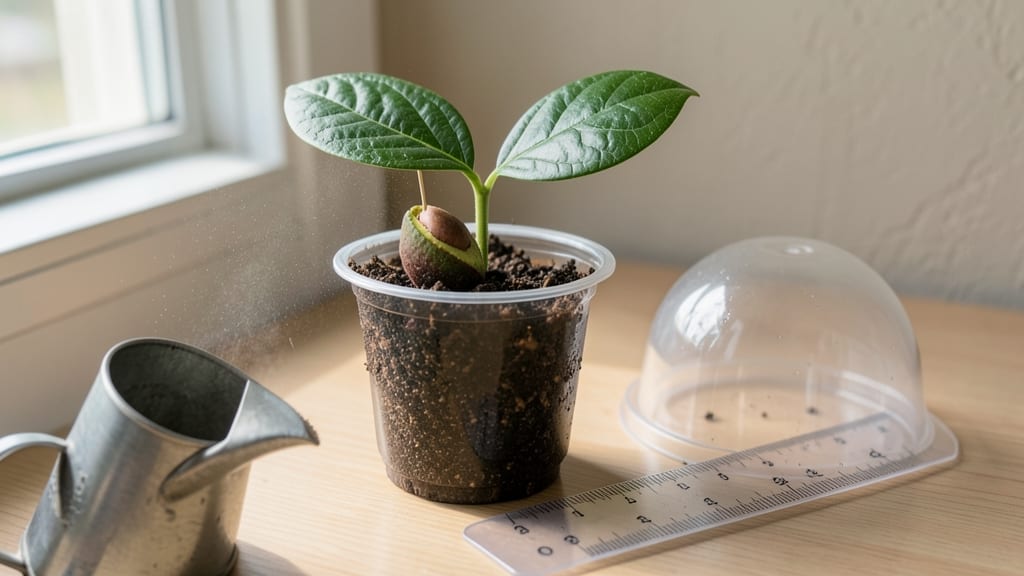
Planting an avocado seed in soil at the right time can mean the difference between a thriving 🥑 sapling and a sad, rotting pit.
You’ve got your seed sprouting in water, but now what? The key isn’t just about seasons—it’s about soil warmth. Too cold, and your seedling will stall; too hot, and the roots may fry.
I’ll walk you through the exact temperature ranges and planting windows that guarantee faster, healthier growth, whether you’re growing indoors or outdoors in Zone 6.
Timing matters because avocado seeds are sensitive to temperature shifts. In cooler months, germination can take twice as long—or fail entirely. But with the right approach, you can skip the guesswork and get your seedling off to a fast start in just weeks.
Here’s how to know when your soil is ready, plus step-by-step tips to transplant your seed without shocking the roots. Let’s get that 🥑 growing!
Optimal soil temperature for planting avocado seeds: the warmth threshold explained
Avocado seeds thrive when planted in warm soil—typically between 65°F and 85°F. This temperature range kickstarts germination by activating enzymes that break down stored nutrients inside the seed.
Cooler soil slows or halts growth, while overheated soil can cook the delicate seedling. Understanding these thresholds ensures your seed doesn’t waste energy struggling to sprout.
In USDA zones 8–11, outdoor planting aligns with spring or early summer when soil naturally warms. For zones 6–7, wait until after the last frost (usually late May) or use indoor methods to bypass seasonal delays.
Even in warm climates, planting too early risks rot or fungal issues if soil remains damp and cool.
Here’s the key: Soil temperature matters more than air temperature. A sunny day might feel warm, but if the soil hasn’t absorbed that heat, your seedling will suffer.
Use a soil thermometer (inserted 2–3 inches deep) to confirm readiness. If the reading hovers below 65°F, delay planting or use a heated propagation mat for indoor setups.
For indoor growing, maintain warmth with a propagation mat set to 75°F–80°F. Place your seedling near a south-facing window or under a grow light to simulate outdoor conditions. Without adequate warmth, seeds may sprout slowly or not at all, leaving you waiting months for results.
Regional differences play a huge role. In Florida or California (zones 10–11), you can plant avocado seeds outdoors almost year-round, but even there, early spring or late fall planting risks cooler soil.
In Texas or Arizona (zones 8–9), aim for March–May or September–November to avoid extreme heat or cold snaps.
If you’re unsure about your soil’s temperature, perform a simple test: Stick your finger 2 inches deep. If it feels lukewarm (like bathwater), your soil is likely in the ideal range.
If it’s cool or cold, wait a few weeks or use a black plastic mulch to absorb sunlight and raise soil temperature faster.
Remember: Patience is key. Rushing the process by planting in cool soil often leads to mold, rot, or weak seedlings. Instead, monitor soil warmth and act when conditions are perfect.
With the right timing, your avocado seed could sprout in as little as 2–4 weeks—or up to 12 weeks if soil stays cool.
Pro tip: Pre-warm your soil by placing pots in a sunny spot for a day or two before planting. This jumpstarts the germination process and gives your seedling a head start. Combine this with a well-draining soil mix (like cactus soil or a 50/50 blend of potting soil and
Step-by-step guide: when and how to transplant your germinated avocado seed
Your avocado seed has sprouted roots in water—now it’s time to move it to soil, but timing is critical. Wait too long, and the roots will become tangled and stressed. Plant too soon, and the delicate root system may rot.
The best time to transplant is when roots reach 2–3 inches long and you see a 2–3 inch stem above water. This usually takes 4–8 weeks, depending on warmth.
Before transplanting, ensure your soil is warm (65°F–85°F) and well-draining. Avocado seeds hate soggy soil—this is the #1 reason they fail. If you’re planting outdoors, wait until after the last frost date (typically late spring in most zones).
For indoor growing, you can plant year-round as long as you provide bright, indirect light.
✅ Step-by-Step Transplanting Guide
-
Step 1: Choose the Right Container
Use a 6-inch pot with drainage holes. Avoid plastic—terracotta or fabric pots work best for airflow.
-
Step 2: Prepare Well-Draining Soil
Mix 50% potting soil, 30% perlite, and 20% coconut coir for aeration. Avoid garden soil—it compacts and suffocates roots.
-
Step 3: Acclimate the Seedling
Soak the seedling’s roots in lukewarm water for 10 minutes to reduce transplant shock. Gently remove it from the water jar.
-
Step 4: Plant at the Right Depth
Dig a hole 1 inch deep and place the seedling so the root base sits just below soil level. Fill gaps with soil and pat gently.
-
Step 5: Water Without Overdoing It
Give a light watering to settle the soil, then wait 3–5 days before watering again. Overwatering drowns roots.
-
Step 6: Provide Bright, Indirect Light
Place near a south-facing window or under grow lights (12–14 hours/day). Avoid direct sun for the first week.
After transplanting, monitor for signs of stress like yellowing leaves or wilting. If this happens, adjust watering or move to a brighter spot. Within 2–4 weeks, you should see new growth—this means your seedling has adapted!
For faster results, keep the soil consistently moist (not soggy) and fertilize lightly with a balanced 10-10-10 mix after 6 weeks.
Pro tip: If your seedling struggles, try humidity domes or misting daily to mimic tropical conditions. Avocado trees thrive in 60–80% humidity, so indoor growers may need to use a pebble tray or humidifier.
With patience and the right timing, your seedling will grow into a healthy sapling ready for repotting in a year.
✅ Transplanting Checklist: ☑️ Roots 2–3 inches long ☑️ Soil mix with perlite/coco coir ☑️ Drainage holes in container ☑️ Bright, indirect light after planting ☑️ Light watering (wait 3–5 days before rewatering) ☑️ Monitor for new growth in 2–4 weeks 🌱