
How To
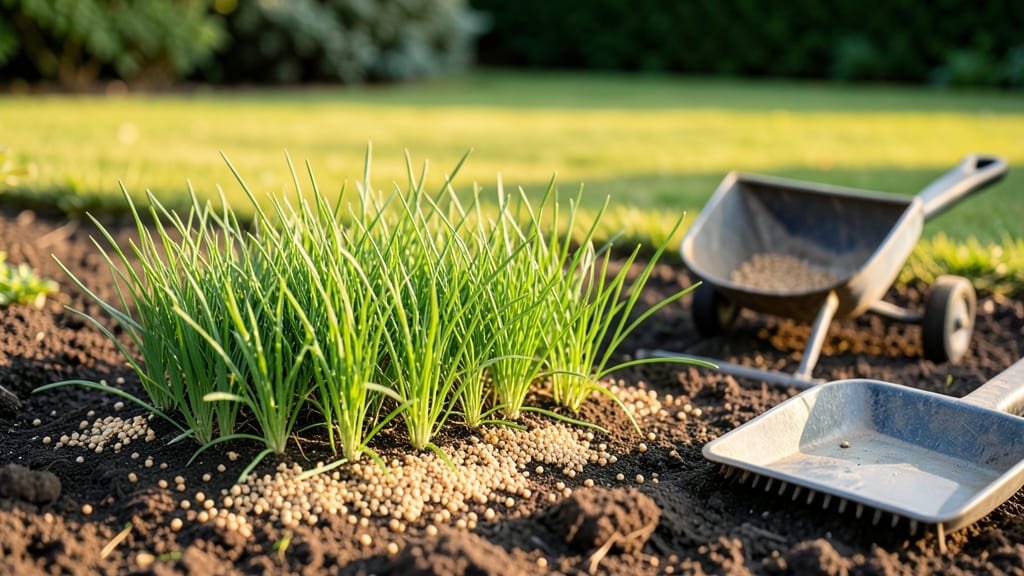
Fertilizing grass seedlings at the wrong time can either burn their delicate roots or leave them starving for growth—so timing your first application is the secret weapon for a thick, healthy lawn.
Picture this: you’ve just spread those tiny 🌱 grass seedlings, watered them carefully, and now you’re wondering, When exactly should I add fertilizer? Too soon, and you risk scorching them; too late, and they’ll struggle to establish strong roots.
The answer isn’t one-size-fits-all—it depends on your climate, seedling age, and even the type of fertilizer you’re using.
In USDA Zone 6a, the ideal window for early spring or fall planting is 4-6 weeks after germination, when seedlings have sprouted but aren’t yet competing with weeds. A light, balanced fertilizer (like a 10-10-10) gives them the boost they need without overwhelming their system.
But here’s the catch: if you fertilize too early, you’ll see yellowing or wilting—signs your seedlings are crying for help.
Below, I’ll walk you through the exact steps to fertilize your grass seedlings the right way, including how to spot over-fertilization and adjust for your local growing season. By the end, you’ll know exactly when to feed your lawn for the strongest possible start.
Critical fertilizer timing for grass seedlings: weeks after germination
Timing your first fertilizer application for grass seedlings is everything. Applying too early can burn delicate roots or stunt growth, while waiting too long means missing the 4-6 week window when seedlings can absorb nutrients most efficiently.
This critical period begins once you see 2-3 inch tall blades and healthy root development.
Seedlings rely on the nutrients from the starter fertilizer mixed with seed at planting, but their tiny systems need a gentle boost once they establish a basic root network. Think of it like feeding a newborn—too much too soon causes stress, but proper timing fuels rapid, healthy growth.
Here’s why waiting until 4-6 weeks post-germination works best: seedlings develop root hairs and leaf surface area during this time, giving them the capacity to process fertilizer without damage. Early applications force seedlings to compete with pathogens for nutrients, increasing disease risk.
Look for these three key signs your seedlings are ready for fertilizer: deep green blades, 3-4 inch height, and dense, uniform growth. If your grass looks pale or sparse, it’s likely still too early—wait another week.
Over-fertilizing at this stage causes salt buildup in the soil, which dehydrates roots.
For cool-season grasses like Kentucky bluegrass or fescue, aim for 4 weeks post-germination in spring or fall. Warm-season grasses such as Bermuda or Zoysia can wait until 6 weeks after sprouting, as they grow more slowly in cooler soil.
Always apply fertilizer in the early morning to prevent leaf burn from afternoon sun.
Slow-release fertilizers are ideal because they feed seedlings gradually over 6-8 weeks, matching their growth rate. Avoid high-nitrogen quick-release options—they can cause fertilizer burn and set your lawn back. Instead, choose a 10-10-10 ratio or organic options like compost tea for a gentle nutrient boost.
After your first application, wait 6-8 weeks before fertilizing again. This gives seedlings time to process nutrients and develop stronger roots. Overfeeding now leads to thatch buildup and weakens the lawn’s ability to handle stress like drought or pests. Think of it as training young plants to be self-sufficient.
If you miss the 4-6 week window, don’t panic—just wait until seedlings reach half their mature height before applying fertilizer. However, delaying too long risks nutrient deficiencies later. For example, yellowing blades signal nitrogen deficiency, while purple stems mean phosphorus is lacking—both are easier to prevent than correct.
Pro tip: Water deeply 24 hours before and after fertilizing to help nutrients penetrate the soil. This is especially critical for newly seeded areas where roots haven’t fully established. Use a light, even application—think of it like dusting powdered sugar on a cake, not dumping a whole bag.
Remember, the goal is to support root development, not just leaf growth. Healthy roots mean a drought-resistant lawn that recovers quickly from wear. By fertilizing at the right time, you’re setting your grass up for long-term success, not just a quick green-up. 🌱
How to choose the right fertilizer for young grass roots
Choosing the wrong fertilizer for your grass seedlings can stunt growth or even kill them. Young roots are delicate, so you need a low-nitrogen approach that won’t burn tender foliage. I’ve learned the hard way—over-fertilizing my first lawn patch led to yellowing patches that took months to recover.
The key is balancing nutrient ratios and application methods for safe, effective feeding.
Start with a balanced fertilizer like 10-10-10 or 5-5-5 for seedlings, which provides equal parts nitrogen, phosphorus, and potassium. Avoid high-nitrogen options like 30-0-0 until your grass is established (after 6-8 weeks).
Organic options like compost tea or fish emulsion are gentler and won’t shock young roots. Always dilute liquid fertilizers to half-strength for seedlings.
For application, I recommend broadcast spreading for granular fertilizers or a spray bottle for liquids. Never use a drop spreader on seedlings—it can create uneven coverage and hot spots.
If you’re unsure, opt for a liquid fertilizer applied with a gentle spray in the morning, when temperatures are cooler and evaporation is minimal. This gives roots time to absorb nutrients without stress.
Watch for signs your seedlings are ready for fertilizer: healthy green color, 2-3 inches tall, and at least 4-6 weeks old. If your grass looks pale or stunted, it’s likely not ready.
In my experience, waiting an extra week is better than rushing and damaging delicate roots. Always test your soil first—if it’s already rich in nutrients, skip the fertilizer entirely.
One mistake I see often is using high-nitrogen fertilizers too early. These can cause fertilizer burn, turning grass yellow or brown. Instead, focus on phosphorus (the second number in NPK) to encourage root development. A 5-10-10 ratio is ideal for seedlings, providing just enough nitrogen while prioritizing root strength.
Remember, young grass needs consistency over intensity. I’ve found that monthly light applications of a diluted fertilizer work better than heavy doses. For organic gardeners, compost tea or worm castings are excellent choices—they improve soil health without the risk of over-fertilization.
Always follow package instructions, and when in doubt, less is more.