
Lawn
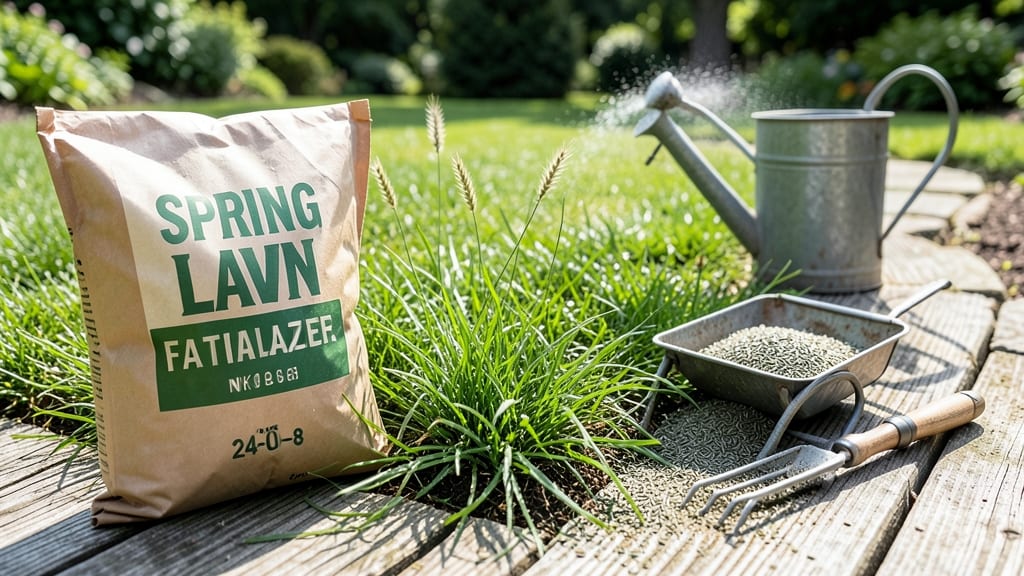
Fertilizing and seeding your lawn at the right time is the difference between a thick, vibrant carpet and a patchy, struggling mess 🌱.
Picture this: you’ve spent hours spreading seed or fertilizer, only to watch it wash away in a downpour or bake under scorching sun. That’s why timing matters more than you think—especially when it comes to cool-season vs. warm-season grasses and your USDA zone.
In Zone 6a, like much of the Midwest and Northeast, early fall (August–September) is prime for seeding and fall fertilization, while late spring (March–April) kicks off the growing season with a nutrient boost. But get it wrong, and you’ll waste money—or worse, invite weeds and pests to move in.
Below, I’ll break down the exact months to fertilize and seed, how to prep your soil for success, and the three mistakes that ruin even the best-laid plans. No guesswork—just science-backed timing for a lawn that stays green all year.
Best months to fertilize lawn by USDA zone (spring vs fall focus)
Timing your lawn fertilization isn’t one-size-fits-all—it depends on your USDA hardiness zone, grass type, and seasonal goals. Cool-season grasses like fescue or bluegrass thrive with fall fertilization, while warm-season grasses like Bermuda or Zoysia need spring feeding.
Even a 2-week delay can mean weaker roots or wasted fertilizer.
Southern zones (like USDA 8-10) have longer growing seasons, so their fertilization windows stretch into late fall, while Northern zones (like USDA 3-5) must act earlier to avoid frost damage. Pre-emergent fertilizers also shift timing—apply them before weeds sprout in spring, but avoid them if seeding later.
Why timing matters: Fertilizing in extreme heat burns grass, while late-season feeding can spur frost-sensitive growth. Fall fertilization, however, strengthens roots for winter resilience. Let’s break it down by zone and season for a science-backed approach to year-round lawn health.
🌱
For Northern zones (USDA 3-5), focus on fall fertilization (late August–September) to build roots before winter. Cool-season grasses like Kentucky bluegrass need this boost to survive freezing temps. In spring (April–May), apply a high-nitrogen feed to kickstart growth after dormancy.
In Southern zones (USDA 8-10), fertilize in late fall (October–November) to prepare for mild winters, then again in early spring (February–March). Warm-season grasses like Centipede grass thrive with this schedule, avoiding summer heat stress. Pro tip: Use a slow-release fertilizer in spring to prevent runoff.
Pre-emergent fertilizers (like pendimethalin) should go down 4–6 weeks before weeds sprout—typically March–April in the North and February in the South. But skip pre-emergents if you’re seeding, as they’ll kill new grass too. Always water after applying to activate nutrients.
Summer fertilization is tricky. In hot zones (USDA 8-10), a light feed in June can help, but avoid heavy doses—grass burns easily. For Northern lawns, summer is a rest period; focus on mowing high (3–4 inches) to retain moisture and shade roots.
Fall is your golden window for fertilization, especially in cooler zones (USDA 3-7). Apply a high-phosphorus feed (e.g., 5-10-10) in September to strengthen roots. This prepares grass for winter and reduces spring brown patch issues. In Southern zones, extend feeding to November for extended growth.
Don’t forget soil testing before fertilizing! A pH of 6.0–7.0 ensures nutrients absorb properly. If your soil is too acidic or alkaline, adjust with lime or sulfur 3–4 months before fertilizing for best results. A healthy lawn starts with the right soil foundation.
🌿
How to time lawn seeding for maximum germination success
Timing your lawn seeding is like catching a wave—get it right, and your grass will sprout thick and fast. Miss the window, and you’ll battle slow germination or weed takeover. The key? Understanding your grass type and soil conditions to align with nature’s growth cycles.
Cool-season grasses (like tall fescue or Kentucky bluegrass) thrive when soil temps hover between 50°F–65°F, making late summer/fall ideal for Northern zones. Warm-season grasses (like Bermuda or Zoysia) need 75°F–85°F soil, so late spring/early summer is their prime time in Southern regions.
Soil temperature isn’t just a number—it’s the deciding factor for seed viability. Use a soil thermometer to check depth (2 inches down). If it’s too hot or cold, your seeds will sit dormant or rot before sprouting. Moisture matters just as much: seeds need consistent dampness (not soggy) to germinate, which is why rainy seasons or drip irrigation are your best friends.
After seeding, patience is key. Most grasses take 14–21 days to sprout, but warm-season varieties can push 7–10 days in perfect conditions. Lightly rake the soil every 3–4 days to prevent seed crusting, and avoid mowing until blades reach 3–4 inches tall.
A starter fertilizer (high in phosphorus) can jumpstart root growth, but wait 4–6 weeks before applying nitrogen-heavy feeds.
One critical mistake I see? Seeding during peak heat or drought—seeds dry out before germinating. Always check the 7-day forecast for steady rain or plan to water twice daily (morning/evening).
For bare spots, use a slit seeder to place seed ½-inch deep—too shallow, and birds or wind will steal your seeds.
Pro tip: If your lawn has thatch buildup (over ½-inch thick), aerate 2–4 weeks before seeding. This lets seeds make direct contact with soil and boosts germination rates by up to 40%.
Pair this with a light compost top-dressing for extra nutrients, and you’ll have a lush lawn in no time 🌱.