
Companion Plants
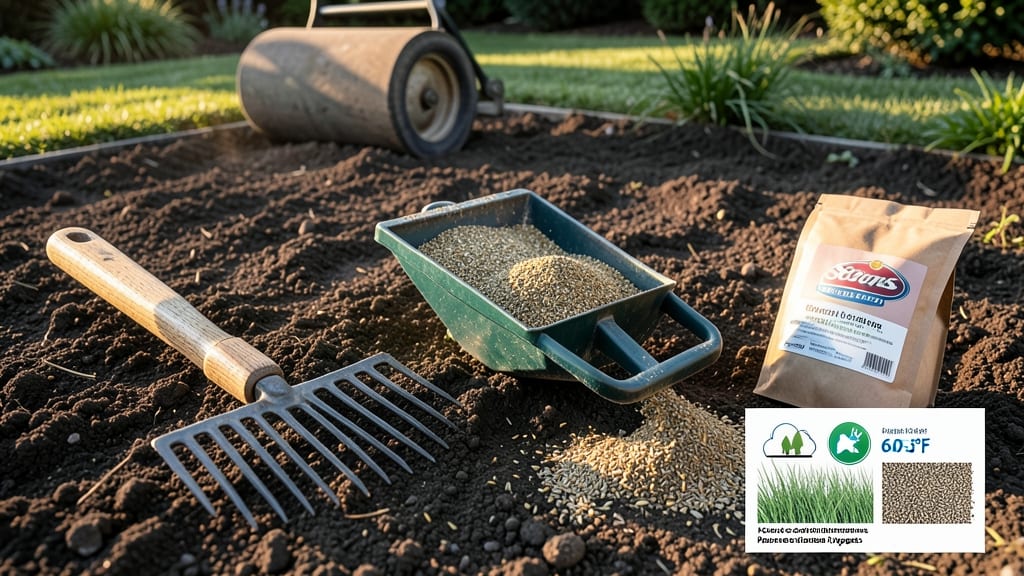
Planting grass seed in Pennsylvania’s fall means timing it right—late August to mid-September gives your lawn the best shot at deep roots before winter’s first frost 🌱.
Pennsylvania’s unpredictable fall weather can make or break your lawn—planting grass seed at the wrong time means weak growth or wasted effort. Timing is everything, and late August to mid-September is your golden window for deep root establishment before winter’s frost.
Why does this window matter? Cooler fall temperatures slow weed growth while encouraging your grass to develop strong roots, setting it up for a lush spring. Skip this timing, and you risk shallow roots that struggle when winter hits.
In this guide, I’ll break down the ideal planting schedule for your PA zone, how to prep your soil, and the three biggest mistakes to avoid—so your lawn thrives next summer.
Best fall planting window in PA: late August to mid-September explained
Pennsylvania’s fall planting window for grass seed is a critical 6-week period between late August and mid-September. This timing aligns with soil temperature thresholds of 50-65°F, creating perfect conditions for deep root establishment before winter dormancy.
Cooler temperatures also reduce weed competition while allowing grass seeds to germinate efficiently without the stress of summer heat.
The scientific reasoning behind this window is rooted in cool-season grass biology. Most PA lawns consist of cool-season grasses like Kentucky bluegrass and tall fescue, which thrive when daytime temperatures drop below 80°F.
This shift signals the grass to shift energy from leaf growth to root development, creating a stronger turf foundation for spring.
Here’s why this window works so well for Pennsylvania’s diverse climate zones. Eastern PA, including areas like Philadelphia and Allentown, typically experiences the first frost around October 15. Western PA, including Pittsburgh and Erie, tends to see frost slightly earlier, around mid-October.
Planting in late August to mid-September gives seeds 4-6 weeks to establish roots before the ground freezes.
Soil temperature is the most critical factor in fall planting success. When soil temps drop below 50°F, seed germination slows dramatically. Conversely, temperatures above 65°F can cause seeds to sprout too quickly, leading to weak, shallow roots that struggle in winter. A soil thermometer is your best tool to confirm ideal conditions.
Another key advantage of fall planting is the natural reduction in weed competition. Warm-season weeds like crabgrass and chickweed die back as temperatures drop, giving your new grass seedlings a cleaner growing environment.
This reduces herbicide needs and ensures your lawn gets the nutrients it needs without battling invasive species.
Regional variations in PA mean you should adjust slightly based on your location. In eastern PA, where humidity is higher, aim for early September planting to avoid fungal diseases that thrive in damp conditions.
In western PA, with its drier climate, you can push planting to mid-September without risking frost damage.
Let’s break down the ideal planting window by week to maximize your success:
If you miss this window, don’t panic—early October can still work, but the risk of frost increases. Always check your local USDA Plant Hardiness Zone (PA ranges from 5a to 7a) and monitor weekly frost forecasts.
Planting too late means seeds may not establish roots before winter, leaving your lawn vulnerable to disease and erosion.
One common misconception is that fall planting is only for new lawns. In reality, overseeding existing lawns in fall is one of the best ways to fill thin patches and improve density.
The same soil temperature rules apply—wait until temps drop to 65°F or below for optimal results. This approach works especially well for high-traffic areas where grass wears thin over time.
For best results, pair your planting with a light application of slow-release fertilizer (like 10-0-10) to provide nutrients without burning young seedlings. This timing also aligns with natural rainfall patterns in PA, reducing your need for supplemental watering while seeds germinate.
With the right approach, your lawn will be lush and resilient by spring.
Remember, the goal is to give your grass 4-6 weeks of growth before the first frost. This ensures roots penetrate 4-6 inches deep, making your lawn drought-resistant and pest-resistant in the following year. Don’t let Pennsylvania’s
How to prepare your PA lawn for fall grass seed planting
Preparing your Pennsylvania lawn for fall grass seed planting is the key to a thick, resilient lawn by next spring. The right prep ensures your seeds germinate quickly and establish strong roots before winter sets in.
Start by testing your soil pH—most PA grasses thrive in a 6.0-7.0 range. If your soil is too acidic or alkaline, amend it with lime or sulfur before planting.
Next, adjust your mowing height to 2.5-3 inches for 2-3 weeks before planting. This helps shade out weeds and prevents scalping when you overseed. For bare spots, consider full reseeding instead of overseeding, which is best for thin but established lawns.
Clear all debris, including leaves and thatch, to give seeds direct contact with soil.
Here’s your step-by-step checklist to get your lawn ready for fall planting:
Use a soil test kit to check pH. Aim for 6.0-7.0—adjust with lime (for acidic soil) or sulfur (for alkaline soil).
Set mower to 1.5-2 inches for 1-2 weeks before planting. Remove all leaves, rocks, and thatch to ensure seed-soil contact.
For PA, use cool-season grasses like Kentucky bluegrass, tall fescue, or fine fescue. Overseed if lawn is thin; reseed if bare.
Use a starter fertilizer (10-0-10 NPK) 2-4 weeks before planting. Avoid high-nitrogen fertilizers right before seeding.
Water 1 inch daily for the first 7-10 days, then taper to 0.5 inch every 2-3 days. Always water in the early morning.
Spread seed evenly with a broadcast spreader. Lightly rake to cover seeds, then mulch with straw to retain moisture.
For Pennsylvania’s climate, late September is ideal for planting—it gives seeds time to germinate before the first frost (usually mid-October). Avoid planting after October 15, as cold soil slows germination. If you’re overseeding, use a slit seeder to ensure seeds reach the soil without disturbing existing grass.
After planting, monitor your lawn closely. The first 7-10 days are critical—keep soil consistently moist but not soggy. Reduce watering to every 3-5 days once germination begins. For best results, apply a slow-release fertilizer in early November to strengthen roots before winter.
With the right prep, your PA lawn will reward you with dense, weed-resistant grass by next summer—no more patchy spots or weak growth! 🌱