
Lawn
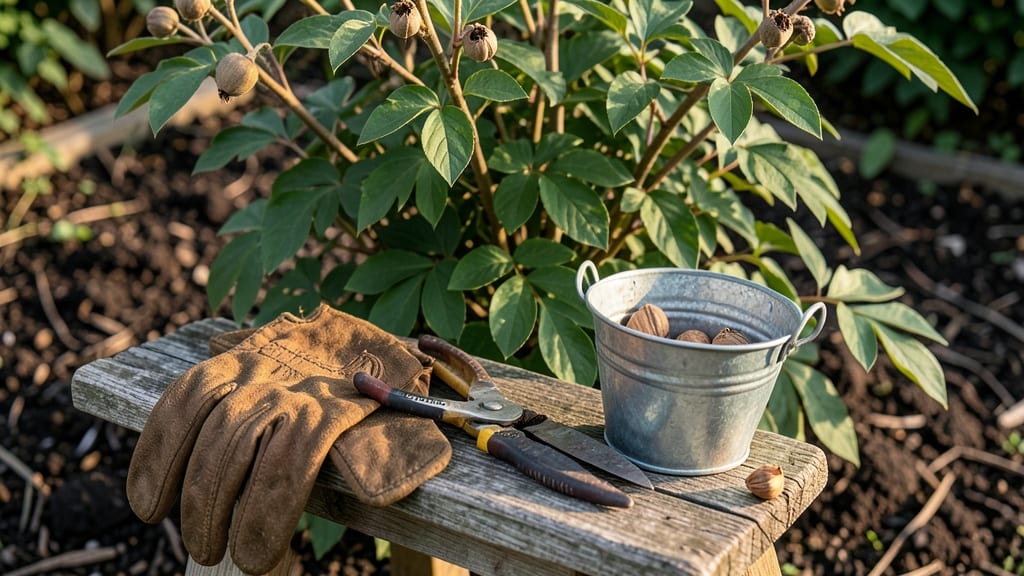
Cutting off peony seed pods at the right time ensures healthy reblooms and prevents unwanted seedlings from popping up everywhere 🌸.
Here’s the catch: if you snip too early, you waste potential seeds, but leave them too long, and frost ruins everything. The best window is just before the pods fully dry and split open—usually late summer to early fall, depending on your zone.
In USDA Zone 6a, aim for mid-September, when pods turn brown but haven’t cracked yet. Wait too long, and you risk fungal issues or losing seeds to weather. I’ll walk you through the exact steps to harvest without stressing your plants.
From tools to climate tweaks, you’ll learn how to time it perfectly for maximum seed viability—or skip the harvest entirely if you’re not into seed-saving. Let’s get started.
Optimal timing for harvesting peony seed pods before frost
Timing your peony seed pod harvest is all about catching them at the peak of maturity—just before frost or natural splitting. In my experience, the best window is typically late August to early October, but this shifts based on your USDA zone and local climate.
The goal? Harvest when pods are fully dried but haven’t yet cracked open, ensuring viable seeds without wasting effort.
Peony seed pods mature in stages: they start green, turn brown, and eventually split to release seeds. If you cut them too early, seeds won’t be fully developed. Wait too long, and frost or rain can ruin your harvest or attract pests.
The key is to act when pods are brown and papery, but still intact. This usually happens 4-6 weeks after flowering, depending on your region.
In USDA Zones 3-4, where frost arrives early, aim to harvest by mid-September. These zones have the shortest window, so don’t wait for pods to fully dry—they’ll likely crack open or freeze before you’re ready.
I’ve seen gardeners in these areas harvest as early as late August if pods start browning sooner. Use a frost date calculator for your specific location to plan ahead.
For Zones 5-6, like my own garden, the sweet spot is early-to-mid October. Here, pods have time to mature fully, but you still need to act before the first frost. Check pods weekly starting in late September: gently squeeze them.
If they feel light and dry but don’t split under pressure, they’re ready. If they’re still firm or green, wait a few days.
In warmer zones (7-9), you’ve got more flexibility. Harvest can stretch into November, but don’t delay indefinitely—pods will eventually split on their own, scattering seeds everywhere. In Zone 9, where I’ve helped friends garden, pods often mature by late October, giving you a longer window to act.
Just keep an eye on humidity levels: high moisture can cause fungal issues or premature splitting.
Regional climate plays a huge role. In dry climates, pods dry out faster, so harvest earlier. In humid areas, wait until pods are fully dry to avoid mold. I once missed the window in a wet summer and ended up with rotten seeds—a lesson learned!
If your area has unpredictable weather, harvest pods as soon as they turn brown and store them in a cool, dry place until you can process them.
Pro tip: Mark your calendar based on your peonies’ bloom time. If they flower in May-June, pods will mature by September-October. If they bloom later (like some tree peonies), adjust your timeline accordingly.
I always note the first day of bloom to estimate the harvest window—it’s a simple but effective trick.
If you’re unsure whether to harvest at all, consider your goals. For seed-saving, timing is critical. But if you’re just pruning for plant health, you can remove pods anytime after they form to prevent self-seeding.
Just avoid cutting into new growth or the plant’s foliage, as this can stress the plant before winter.
Finally, don’t forget to sterilize your tools before harvesting. A quick wipe with rubbing alcohol prevents spreading diseases between plants. I keep a small bottle in my gardening toolkit for this exact purpose—it’s a small step that saves big headaches later.
With the right timing and prep, you’ll have viable peony seeds ready for next year’s garden.
How to identify mature peony seed pods ready for harvest
Identifying mature peony seed pods is all about paying attention to color shifts and texture changes. Immature pods stay green and firm, while ripe ones turn dry brown and develop a papery feel. This transformation signals the seeds inside are fully developed and ready for collection.
Don’t rely solely on color—gentle shaking is your best friend. A mature pod will rattle with seeds when shaken lightly, while an immature one stays silent. This tactile test helps confirm readiness, especially in shady or humid climates where drying slows down.
Here’s what to watch for in USDA Zones 3-9: pods typically mature 8-12 weeks after blooming, usually between late August and October. In colder zones (like mine in Zone 6a), aim for early September to beat frost.
🌱 Numbered Highlights: When to Cut Off Peony Seed Pods
- 🟤 1. Color Change: Pods shift from green to dry brown—this is your first clue.
- 🔄 2. Texture Test: Press gently; mature pods feel papery and brittle, not firm.
- 🌱 3. Seed Rattle: Shake lightly—seeds inside should rattle like a dry corn husk.
- ⏰ 4. Timing Rule: Harvest before first frost (usually late September in Zone 6a).
- ✂️ 5. Cut Technique: Snip 1 inch above the pod with clean pruners to avoid damaging stems.
Once you spot these signs, act quickly. Mature pods split open naturally to release seeds, so delay risks losing them to wind or wildlife. Place harvested pods in a paper bag to dry completely—this prevents mold and ensures high germination rates later.
Pro tip: If pods won’t dry in humid weather, speed things up by moving them to a well-ventilated indoor space (like my garage shelf). Just avoid direct sunlight, which can overheat them.
Remember, overripe pods (those already split open) still yield viable seeds, but they’re trickier to handle. Scoop out the seeds immediately and let them dry separately to avoid contamination.