
Lawn
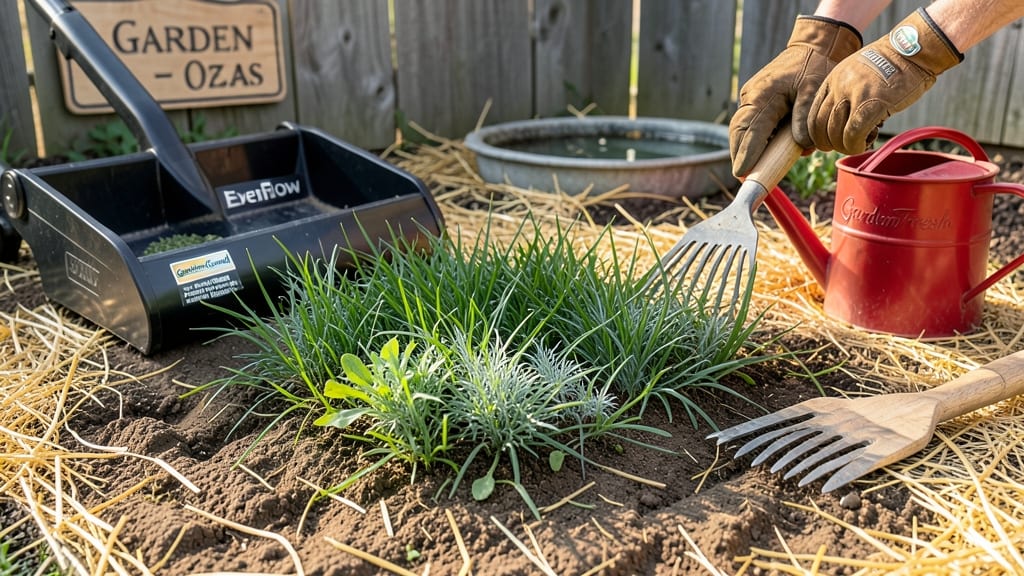
Laying grass seed in the fall can give you a head start on a lush, green lawn by spring—if you pick the right window and prep the soil properly.
Fall is often overlooked as a planting season, but cooler temperatures and fewer weeds make it the perfect time for grass to establish strong roots before winter dormancy.
I’ve seen bare patches transform into thick turf just by seeding in early September, while others rush it too late and end up with frost-killed seeds.
Whether you’re in Zone 6a or a warmer climate, timing matters. The key is planting 4-6 weeks before your first frost, when soil stays warm enough for germination but weeds are still dormant.
Below, I’ll walk you through the exact steps—from soil prep to watering schedules—to ensure your fall seeding succeeds.
You’ll also discover how to adjust for late falls, spot common mistakes (like overwatering or seeding too close to winter), and why a little extra effort now pays off with fewer weeds and deeper roots next spring.
Why fall is the best time to plant grass seed (and how to do it right)
Fall is the secret weapon for growing a thicker, healthier lawn without the summer heat stress or spring competition from weeds. When you plant grass seed in autumn, cooler temperatures and moderate rainfall create perfect conditions for deep root establishment before winter dormancy.
This means your lawn will bounce back faster in spring with stronger, more resilient growth.
The science behind fall planting is simple: soil stays warm enough (around 60-75°F) to encourage germination, while air temperatures drop, reducing water loss and weed pressure. Unlike spring, fall seeds don’t face intense competition from established weeds or drought stress from summer heat.
Plus, fewer pests and diseases thrive in cooler weather, giving your new grass a head start.
Before you grab your seed bag, test your soil—this is the foundation of success. Most grasses prefer a pH between 6.0 and 7.5. If your soil is too acidic or alkaline, amend it with lime (for acidity) or sulfur (for alkalinity) 4-6 weeks before planting.
A simple $20 soil test kit from your local garden center will save you time and money in the long run.
Soil preparation is where many gardeners fall short. Start by aerating your lawn—this creates air pockets in compacted soil, helping roots penetrate deeper. Rent a core aerator (or hire a pro) to pull small soil plugs from your lawn. Follow up by raking away debris and leveling the soil with a lawn rake. For bare spots, loosen the soil with a garden fork to a depth of 2-3 inches.
Choosing the right grass seed for your climate zone is critical. Cool-season grasses like tall fescue, Kentucky bluegrass, and perennial ryegrass thrive in USDA Zones 3-8 and are ideal for fall planting. Warm-season grasses like Bermuda and Zoysia (Zones 7-10) should be seeded in late spring or early summer.
Check your local extension office for region-specific recommendations—they’ll help you pick a blend that matches your lawn’s needs.
Now for the summary-table—your quick-reference guide to fall grass seed success:
After spreading your grass seed, use a lawn rake to gently work it into the top ¼ inch of soil—this ensures good seed-to-soil contact for faster germination. For bare patches, press the seed lightly with a lawn roller or the back of a rake.
Water lightly but frequently—aim for ¼ inch of water daily for the first 2 weeks, then reduce to 2-3 times per week once sprouts appear.
One of the biggest mistakes gardeners make is overwatering after germination. Let the top inch of soil dry between waterings to prevent fungal diseases like dollar spot or brown patch.
Always water early in the morning to allow foliage to dry before evening—this reduces disease risk significantly. If your area experiences <
Fall grass seed planting timeline by region: when to seed before frost
Timing your grass seed planting in fall depends entirely on your USDA hardiness zone. In Northern climates (Zones 3-6), I recommend seeding between mid-August and early October—this gives seeds time to germinate before frost hits.
Meanwhile, Southern regions (Zones 7-10) can extend planting until late November since frost arrives later. Transitional zones (like Zone 6a) need extra attention to avoid late-season freezes.
For Zone 6a, aim for September 15-October 1—this window balances warm soil and cooler air. If you miss it, don’t panic: late October can still work with cold-hardy varieties like tall fescue or ryegrass, but expect slower germination.
Always check your local first frost date and plant 4-6 weeks before it arrives.
In Northern zones, focus on cool-season grasses like Kentucky bluegrass or perennial ryegrass, which thrive in fall’s mild temps. For Southern zones, opt for warm-season grasses like Bermuda or Zoysia if seeding late.
I’ve found that overseeding existing lawns in fall works best when soil temps stay above 60°F (15°C)—use a soil thermometer to check.
If you miss the ideal window, don’t give up! Late fall planting still works if you use cold-resistant seed and protect new growth with a light straw mulch. Water deeply twice daily until seeds sprout, then taper to morning-only watering.
Just remember: no seeding within 4 weeks of frost, or your seeds will rot in cold, wet soil.
Pro tip: Test your soil before planting—fall’s cooler temps mask soil issues like compacted clay or low pH. Amend with compost or lime as needed, and aerate 2 weeks before seeding to improve root penetration. A little prep now means fewer weeds and stronger grass next spring.
For extra insurance, I recommend covering seeds with a thin layer of straw in late fall to shield them from winter winds and frost heaving. This small step can mean the difference between bare patches and a thick, lush lawn by May.