
Plants
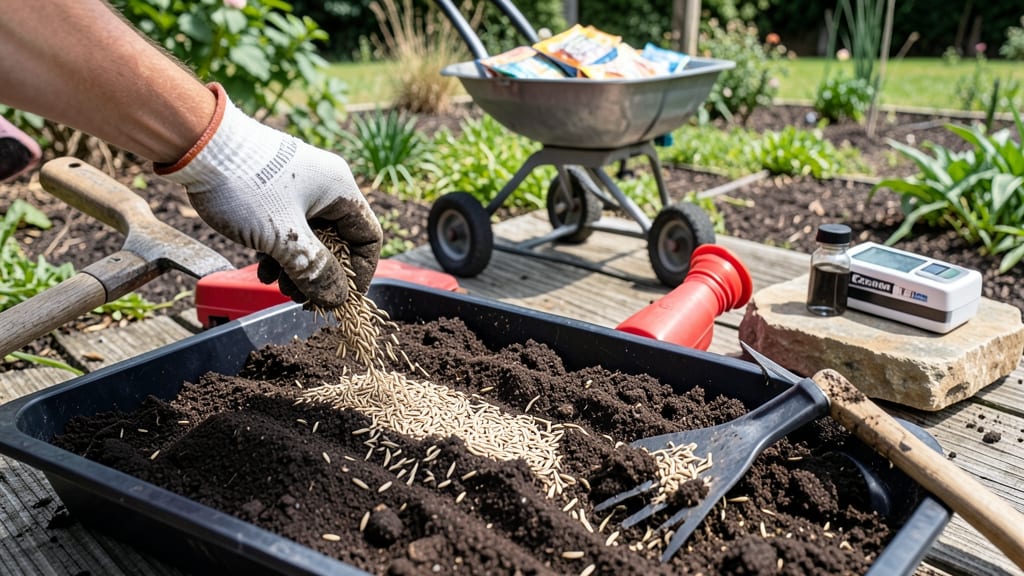
The best time to plant grass seed in Texas is during early spring or fall, when soil temperatures and moisture align perfectly for seed germination.
If you’ve ever watched your new grass seedlings wilt under a late spring frost or bake in summer’s brutal heat, you know timing is everything. Planting outside these windows can mean wasted money and months of frustration—especially in Texas’s 8a-10b zones, where temperatures swing from freezing to scorching.
Cool-season grasses like Tall Fescue thrive in the 60-75°F range of early spring or fall, while warm-season types like Bermuda prefer late spring or summer. But here’s the catch: soil temperature matters more than the calendar.
A quick soil check (or even a thermometer in your yard) can save you from planting too early or too late.
In this guide, I’ll break down the exact planting windows by Texas region, how to read frost-free dates for your county, and the 3 critical soil conditions that make or break your lawn’s success. No more guesswork—just a lush, healthy yard.
Texas grass seed planting windows by soil temperature (not just dates)
If you’ve ever planted grass seed in Texas only to watch it wither under the blazing sun or freeze in a late frost, you’re not alone. The key to success isn’t just picking a month from the calendar—it’s soil temperature.
Grass seeds need consistent soil temps between 55°F and 65°F to germinate properly, and Texas’ extreme climate makes this timing critical. North Texas and South Texas have different windows, and planting too early or late can turn your investment into mulch.
Most gardeners focus on frost dates, but soil temperature tells the real story. For example, a 50°F soil might feel safe in March, but cool-season grasses like Tall Fescue won’t sprout until it warms to 60°F.
Meanwhile, warm-season grasses like Bermuda need 70°F+ soil to thrive. Ignoring this can mean sparse patches or total failure.
Here’s how to check your soil temperature at home: Use a soil thermometer (available for under $10) and insert it 2 inches deep in the ground. Test in the morning shade for accuracy. If it’s below 55°F, wait—even if the calendar says "spring."
Pro tip: North Texas (USDA zones 7b-8a) often waits until late March or early April, while South Texas (zones 8b-10a) can start as early as February.
| Grass Type | Ideal Soil Temp (°F) | Best Texas Planting Window | Key Risk |
|---|---|---|---|
| Cool-Season (Tall Fescue, Ryegrass) | 55–65°F | Early Sept–Mid Oct (Fall) or Late March–April (Spring) | Frost or summer heat |
| Warm-Season (Bermuda, St. Augustine) | 70–75°F | Late April–June (Avoid July–Aug drought) | Extreme heat or drought |
| Zoysia (Hybrid) | 65–70°F | May–June (Post-last frost) | Late frost or water stress |
Cool-season grasses like Tall Fescue and Ryegrass are your best bet for fall planting (September–October). These grasses establish roots before winter, then green up early in spring. In North Texas, aim for early September to avoid early frosts, while South Texas can extend planting until mid-October.
The goal is to have 4–6 weeks of growth before the first frost hits.
Warm-season grasses like Bermuda and St. Augustine thrive in late spring to early summer, but timing is tricky. Plant too early (before 70°F soil), and seeds rot; too late, and summer drought kills them. May–June is ideal, but avoid July–August unless you’re in South Texas with irrigation.
Pro tip: Pre-water the soil 2–3 days before planting to ensure moisture consistency.
Texas’ microclimates add another layer. Urban areas like Austin or Dallas can be 5–10°F warmer than rural zones, delaying frost. Use a local weather app (like MeteoBlue) to track soil temps in your specific neighborhood.
For example, a roofed patio might stay 10°F cooler than an open yard, giving you an extra week of planting time.
If you’re planting in North Texas (e.g., Fort Worth), wait until after April 15 for warm-season grasses—this avoids late frosts that can still occur.
In South Texas (e.g., Houston or San Antonio), you can push Bermuda grass planting into early July, but water deeply 2x daily to prevent drought stress. Always test soil moisture—stick your finger 2 inches deep; if it’s dry, water before planting.
One common mistake is overwatering after planting. New grass seeds need moisture but not soggy soil. Water lightly daily (or every other day) for the first 2 weeks, then deep-soak weekly.
Use a sprinkler with a rain gauge to measure 1 inch of water—any more can drown seeds. Mulch with
2024 Texas frost-free calendar: avoid these deadly planting mistakes
Texas’s frost-free dates are your secret weapon for timing grass seed planting—because planting too early risks frost damage, while planting too late means battling summer’s scorching heat.
The USDA provides county-specific frost dates, but even these can vary by 5-10 days between urban heat islands (like Houston) and rural areas (like West Texas). For example, North Texas typically sees its last frost around February 15, while South Texas may stay frost-free until January 15.
Most Texas gardeners target early spring (March-April) or fall (September-October) for cool-season grasses like Tall Fescue. Warm-season grasses, such as Bermuda, can handle late spring or summer planting—but only if soil temperatures stay above 70°F. Ignoring these windows often leads to seed dormancy or fungal diseases from inconsistent moisture.
⚠️ Deadly Planting Mistake: Planting Before Soil Warms
Planting grass seed when soil temps are below 55°F (common in early spring) forces seeds into dormancy. Even if frost-free, cold soil prevents germination. Test your soil with a thermometer—wait until it hits 60-75°F for cool-season grasses or 75-85°F for warm-season types.
Your Texas county’s frost-free calendar isn’t just about avoiding frost—it’s about microclimates. Urban areas like Dallas trap heat, creating pockets where warm-season grasses can thrive 2-3 weeks earlier than rural zones. Conversely, high-elevation areas (like the Hill Country) may experience late frosts into April.
Use a shade cloth (30-50% block) to extend fall planting by shielding seedlings from early cold snaps, especially in USDA Zone 8a.
Another common mistake? Assuming all grass types follow the same schedule. Cool-season grasses (like Ryegrass) need the 60-75°F window of early spring or fall, while warm-season grasses (like Zoysia) thrive when soil temps exceed 75°F.
Planting Bermuda grass in May is ideal, but trying the same in June risks heat stress as temps climb above 90°F. Always check your county’s last frost date and add 4-6 weeks for safe germination.
Pro tip: Bookmark the Texas A&M AgriLife Extension’s frost-free maps—they’re updated annually and include county-specific data. For example, Lubbock’s last frost is typically March 1, while Galveston rarely sees frost at all.
Pair this with a soil thermometer ($15 at garden centers) to avoid planting when conditions are still too harsh. Remember: Patience beats perfection—waiting an extra week for ideal conditions saves months of frustration.
Extend your planting window by leveraging microclimates. South-facing slopes warm faster than shaded areas, making them ideal for early spring planting. In urban areas, paved surfaces create heat islands—perfect for warm-season grasses but risky for cool-season types.
If you’re in a transitional zone (like Central Texas), opt for drought-tolerant varieties like Buffalo Grass, which handle wider temperature swings. Always mulch newly seeded areas with straw or peat moss to retain moisture and regulate soil temps.