
Plants
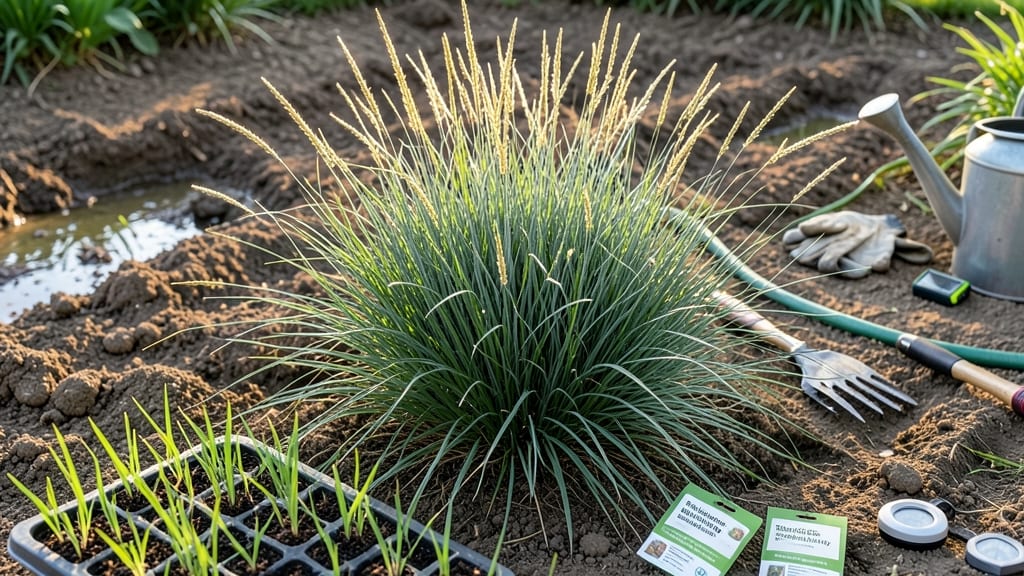
The best time to plant grass seed in Oklahoma is early spring or early fall, when soil temperatures and moisture align for strong germination 🌱.
Struggling to decide when to plant grass seed in Oklahoma? Timing is everything—plant too early or late, and your lawn could struggle with weeds, poor germination, or even dieback. But get it right, and you’ll have a lush, green yard by next summer.
Oklahoma’s 6a-8a climate zones mean your window is narrow: aim for March-April in spring or August-September in fall. Soil temps should hit 60-70°F, and consistent rainfall is key to avoid drought stress.
Below, I break down the exact deadlines by month, soil prep tips, and how to pick the right grass type for your yard—so you skip the guesswork and get a thick, healthy lawn without the trial and error.
Best months to plant grass seed in Oklahoma based on soil temperature
Oklahoma’s variable climate means choosing the right time to plant grass seed can make or break your lawn’s success. Cool-season grasses like tall fescue thrive in 50–65°F soil, while warm-season varieties such as Bermuda grass need 65–75°F soil to germinate properly.
Planting outside these ranges risks poor germination or heat stress, leaving your yard vulnerable to weeds.
Timing isn’t just about the calendar—it’s about soil temperature. In Oklahoma’s USDA Zones 6b–8a, the best windows are early spring (March–April) for cool-season grasses and late summer/early fall (August–September) for warm-season types. Missing these windows could mean struggling with uneven growth or dormant seed that never sprouts.
Here’s a month-by-month breakdown of ideal planting times, soil temperature thresholds, and deadlines to avoid Oklahoma’s unpredictable frost or scorching summer heat. Use this as your guide to maximize germination and minimize stress on your new grass.
For cool-season grasses, March and early April are your sweet spots. By this time, the soil has warmed enough to encourage germination without the risk of late spring frost.
In Zone 6a, aim to plant by mid-April to avoid heat stress, while Zone 8a gardeners can start as early as late February.
If you’re planting warm-season grasses, focus on August. The soil stays warm enough for 6–8 weeks of growth before fall frost sets in. Bermuda grass, for example, needs consistent 70–75°F soil to establish roots—planting in late August gives it just enough time to harden off before winter.
Oklahoma’s microclimates add another layer of complexity. Northern counties (like Oklahoma City) can plant 2 weeks earlier than southern regions (like Tulsacheck soil temperature with a soil thermometer—don’t rely solely on the calendar.
Pro tip: Overseeding in late September is a game-changer for cool-season grasses. The soil stays warm from summer, while cool nights reduce stress. This is how professional lawn care services in Oklahoma get thick, weed-resistant lawns year after year.
One critical mistake many Oklahomans make? Planting warm-season grass in May. By then, the soil can <
How to prepare your Oklahoma lawn for grass seed planting by season
Preparing your Oklahoma lawn for grass seed planting starts with understanding your local microclimate and choosing the right grass type for your yard’s conditions. Whether you’re planting cool-season fescue in spring or warm-season Bermuda in fall, proper soil prep makes all the difference in germination rates and long-term health.
Oklahoma’s USDA Zones 6a-8a mean you’ll need to adjust your approach based on whether you’re in the cooler northern regions or the hotter southern areas. For example, Tall Fescue thrives in northern Oklahoma’s cooler springs, while Buffalo Grass is ideal for southern Oklahoma’s drought-prone summers.
⚠️ callout warning
⚠️ Critical Deadline: Don’t Plant Outside These Months
Spring Planting: March 15–April 30 (after last frost, soil temp 60-70°F).
Fall Planting: August 15–September 15 (before summer heat returns).
Planting outside these windows risks poor germination from extreme heat or frost damage. Oklahoma’s unpredictable spring rains can also wash away fresh seed—always check a 7-day forecast before planting.
First, test your soil pH—the ideal range for most Oklahoma grasses is 6.0–7.0. Use a soil test kit (available at garden centers) or send a sample to your local Oklahoma State University Extension Office.
If your soil is too acidic (<6.0), add lime 2–3 months before planting; if alkaline (>7.0), work in sulfur or peat moss.
Next, clear the area of weeds and debris using a broadfork or rototiller to loosen soil to a depth of 3–4 inches. For large lawns, rent a core aerator to improve water and nutrient absorption.
If your soil is compacted (common in Oklahoma’s clay-heavy regions), mix in 2–3 inches of compost or aged manure to boost organic matter.
Choose your grass seed blend based on your yard’s sun exposure and foot traffic. For shady areas, opt for Fine Fescue; for full sun and drought tolerance, Buffalo Grass or Zoysia are excellent choices.
Spread seed evenly using a broadcast spreader, aiming for 10–12 lbs per 1,000 sq ft for new lawns or 5–8 lbs for overseeding.
After planting, lightly rake the seed into the soil to ensure seed-to-soil contact, then apply a thin layer of straw mulch (¼ inch) to retain moisture and protect seeds from birds.
Water gently twice daily (morning and evening) for the first 10–14 days, keeping the top inch of soil moist but never soggy. Once sprouts appear, gradually reduce watering to 1 inch per week to encourage deep root growth.