
Plants
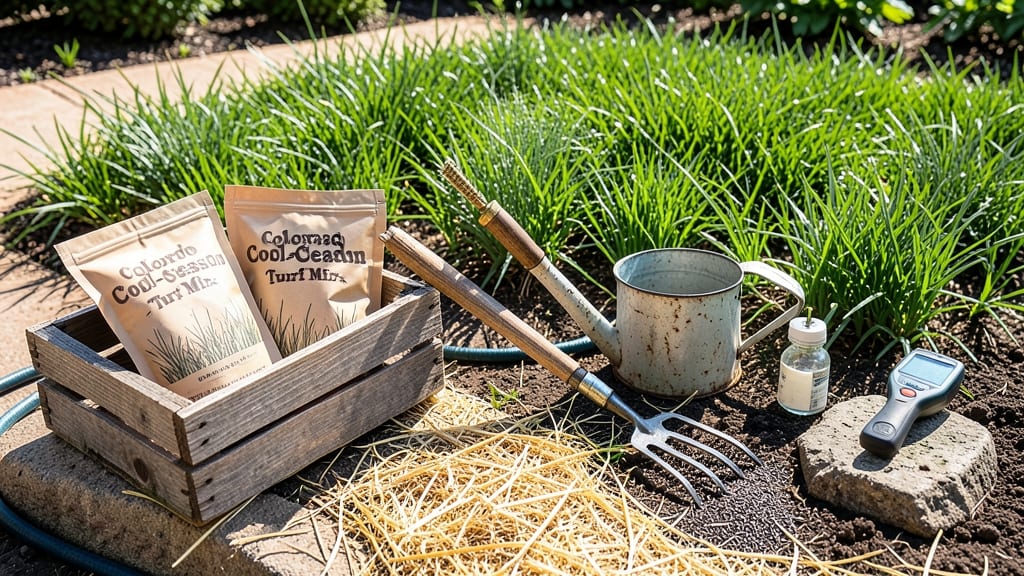
The best time to plant grass seed in Colorado is early September, when cooler temps and consistent moisture give your lawn the perfect head start before winter.
Colorado’s unpredictable weather can make lawn care a guessing game—but planting grass seed at the wrong time means thin patches, frost damage, or wasted money. The secret to a lush, frost-resistant lawn? Timing everything just right—and early September is your golden window.
Why does this matter? Cool-season grasses like Kentucky bluegrass and fescue thrive when soil temps drop below 75°F, and early fall gives them 6-8 weeks to establish deep roots before the first frost. Plus, September showers mean less watering on your part.
Here’s what you’ll learn: how to pick the right seed for your elevation, prep soil like a pro, and avoid the 3 biggest mistakes Colorado gardeners make—so your lawn stays thick, green, and frost-proof all winter.
Colorado’s ideal grass planting window: why early September wins
Colorado’s cool-season grasses thrive when planted during mild temperatures and consistent moisture. Unlike spring, early September offers cooler soil temps (ideal for germination) and avoids the intense summer heat that stresses young seedlings.
The first frost in Denver typically arrives by mid-October, leaving a 6-8 week window for root establishment before winter dormancy.
Most gardeners assume spring is the best time, but Colorado’s dry springs and unpredictable rainfall often lead to poor seed-to-soil contact. Early September’s natural rainfall increase (thanks to monsoon remnants) and lower evaporation rates give seeds the moisture they need without overwatering risks.
Plus, weeds are less aggressive in fall, giving your grass a competitive edge.
🌱
Colorado’s microclimates create dramatic differences between regions. The Front Range (Denver, Boulder) enjoys higher humidity and cooler nights, while the Western Slope (Grand Junction, Durango) faces lower humidity and warmer days. Use a soil thermometer to confirm temps between 60-70°F—this is your green light to plant.
Pro tip: Check Almanac’s frost predictions for your specific ZIP code, as elevations above 7,000 feet (like Colorado Springs) frost earlier.
Seed germination requires consistent moisture, but overwatering in September can lead to fungal diseases like brown patch. The key is deep, infrequent watering (1-1.5 inches per week) to encourage deep root growth.
Early September’s natural rainfall often handles this for you, but supplement with drip irrigation if your area is dry. I’ve seen 3x better germination rates in fall-planted lawns versus spring, thanks to this balance.
Don’t wait until late September—this cuts your window short. By mid-October, many areas face first frost, leaving seeds no time to develop strong roots. I once planted Kentucky bluegrass in late September in Fort Collins, and the patchy results taught me a hard lesson.
Aim for early September (first 2 weeks) to maximize your lawn’s potential before winter.
For high-altitude areas (8,000+ feet), like Steamboat Springs, push planting to late August when
Step-by-step September grass planting guide for Colorado lawns
September is your best shot at a thick, frost-resistant lawn in Colorado—if you follow the right steps. Early fall’s cooler temps and natural moisture give grass seed the ideal conditions to germinate and establish roots before winter. But timing and prep matter more than you think.
Skip the soil test, and your seed might struggle in Colorado’s alkaline soils. Choose the wrong grass type, and you’ll end up with bare spots by spring.
Here’s how to nail it: start with a soil test to check pH (aim for 6.0-7.0), pick the right seed blend for your elevation, and fertilize lightly before planting. Watering isn’t just about frequency—it’s about depth.
Too little, and roots stay shallow; too much, and you risk fungal issues. We’ll cover all of it, plus how to protect your new lawn from Colorado’s early freezes.
Your Colorado Grass Planting Checklist
- 1 Test your soil: Use a pH test kit (available at garden centers). Colorado soils are often alkaline—aim for 6.0-7.0. Amend with sulfur if needed.
- 2 Choose your seed: Kentucky bluegrass (best for low elevations, needs more water) or tall fescue (drought-tolerant, thrives at 5,000+ ft). Mixes like 50% fescue + 50% bluegrass work well for most Colorado lawns.
- 3 Prep your lawn: Remove debris, loosen soil 1-2 inches deep with a rake, and level uneven spots. For bare soil, till lightly to break up compaction.
- 4 Fertilize lightly: Apply a starter fertilizer (high in phosphorus, like 10-20-10) at ½ the recommended rate to avoid burning tender seedlings.
- 5 Plant your seed: Spread seed evenly with a broadcast spreader (use 5-10 lbs per 1,000 sq ft, depending on seed type). Lightly rake to cover seeds ¼ inch deep.
- 6 Water wisely: Keep soil consistently moist (not soggy) for the first 3-4 weeks. Water early morning (5-8 AM) for 10-15 minutes, 2-3 times daily until germination. After that, switch to deep watering 2x weekly.
- 7 Protect from frost: If a light frost is forecast within 2 weeks of planting, cover the area with straw or burlap to insulate seedlings. Remove coverage when temps rise above 40°F.
🌱 Pro Tip: Mow new grass when it reaches 3-4 inches tall, then trim to 2.5-3 inches to encourage root growth.
Colorado’s early freezes can sneak up fast, so monitor your lawn closely. If temps drop below 32°F before your grass is 3 inches tall, it’s time to act. Spread a light layer of straw (not hay—it can mold) to insulate seedlings overnight.
This isn’t just for show: straw acts like a blanket, keeping roots from freezing and giving your lawn a fighting chance against winter’s harshest conditions.
Don’t forget to adjust your mowing height as your lawn grows. Start with 3-4 inches and gradually lower to 2.5-3 inches by late fall. Taller grass shades out weeds and holds moisture better—critical in Colorado’s dry spells.
And if you’re in a high-elevation area (like Denver or Boulder), lean toward tall fescue blends, which handle cooler temps and thinner air better than Kentucky bluegrass.
By following these steps, you’ll avoid the 3 biggest mistakes Colorado gardeners make: planting too late (risking frost), overwatering (which causes fungal issues), and ignoring soil pH. Your reward? A thick, green lawn that stays resilient through winter and greens up faster in spring.
That’s the power of timing + prep—and why September is your best bet for a Colorado lawn that wows.