
Plants
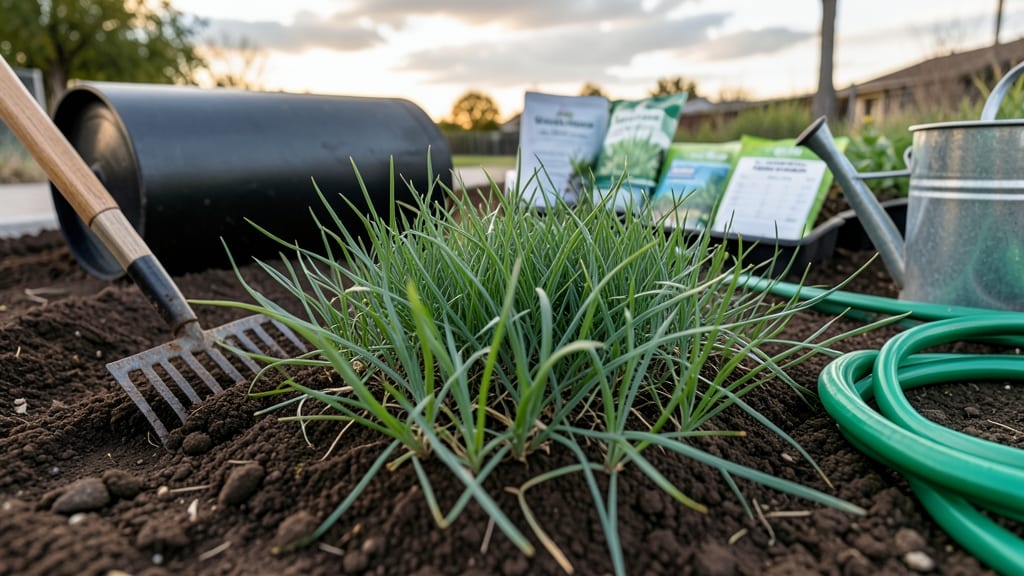
The best time to plant grass seed in California depends on your region’s climate—whether you’re in coastal fog or inland heat zones.
Planting grass seed at the wrong time in California can mean wasted effort—and money—thanks to the state’s diverse climates. But knowing whether you’re in coastal fog or inland heat zones determines your success.
Coastal areas like San Francisco thrive with fall planting (September–November) when cooler temps and winter rains help roots establish. Meanwhile, inland valleys—think Sacramento or Fresno—wait for early spring (February–March) to avoid summer drought stress.
Here’s how to match your timing to your zone, plus the 3 critical mistakes that ruin grass seed success—and how to avoid them.
Optimal grass seed planting times by California climate zone
California’s diverse climate zones mean your grass seed timing depends on whether you’re in coastal fog or inland heat. Coastal areas like San Francisco and Santa Barbara have milder winters, while Central Valley and Desert regions face extreme summer heat.
Planting at the wrong time can lead to poor germination or seedling stress.
For coastal California, the best window is fall (September-November) and early spring (March-May). These months offer moderate temperatures (50-70°F) and consistent rainfall, ideal for cool-season grasses like fescue and ryegrass.
Inland areas, including Sacramento and Los Angeles, should aim for late summer to fall (August-October) to avoid summer drought stress.
Here’s how temperature thresholds impact your planting schedule. Most grass seed varieties germinate best when soil temps are between 60-75°F. Coastal regions hit this range in spring and fall, while inland areas may need to plant earlier in fall (August-September) to avoid heat stress during germination.
🌱
In coastal microclimates, like the Bay Area, foggy mornings can delay germination, so opt for fast-germinating seeds like perennial ryegrass. These areas also face higher humidity, increasing the risk of fungal diseases. To combat this, avoid planting in late fall (Dec-Jan) when fungal spores thrive.
For inland regions, such as the Central Valley, summer planting (June-July) is a common mistake. Soil temps often exceed 85°F, causing seed desiccation before sprouting.
Instead, plant in late summer (August-September) when temps begin to cool. Drought-tolerant grasses, like buffalo grass, thrive here with minimal irrigation once established.
Desert areas like Palm Springs and Death Valley have unique challenges. Water scarcity and intense heat make planting difficult, but early fall (September-October) offers the best chance. Use drip irrigation to keep soil consistently moist without wasting water. Drought-resistant varieties, such as Bermuda grass, are your best bet.
🌡️
Always check your local USDA zone (coastal: 9-10, inland: 7-9, desert: 9b-11) for precise timing. For example, San Diego (Zone 10) can plant year-round, while Sacramento (Zone 9) should avoid summer planting.
Test your soil temperature with a soil thermometer before planting—aim for 60-75°F for optimal germination.
Pro tip: If you’re unsure about your microclimate, observe your existing lawn. If grass grows well in spring and fall, you’re likely in a cooler zone.
If it thrives in summer, you’re probably in a warmer inland or desert area. Adjust your planting schedule accordingly!
How to adjust planting for California’s microclimates
California’s microclimates can turn a perfect grass seed plan into a disaster if you don’t adjust for your zone. Urban heat islands like Los Angeles bake in summer, while coastal fog belts like San Francisco stay damp year-round.
Even the high desert (think Palm Springs) has its own rules. The key? Matching your seed variety, soil prep, and watering schedule to your local conditions.
For example, cool-season grasses like tall fescue thrive in coastal areas where winter rains are reliable, while warm-season grasses like Bermuda grass dominate inland deserts where summer heat is the norm.
Your irrigation timing also shifts—coastal gardeners water less in foggy winters, while desert gardeners must water early morning to prevent evaporation.
Your soil prep also changes by zone. In urban areas, compacted soil from foot traffic requires double-digging (loosening 6–8 inches deep) to improve drainage. Add compost to hold moisture, while desert soils need gypsum to break up clay.
Test your soil’s pH—most grasses prefer 6.0–7.0, but coastal grasses tolerate slightly acidic soil (5.5–6.5).
Timing your watering schedule is just as critical. In coastal zones, water lightly 2x/day only if rain doesn’t fall, but in inland valleys, deep watering every 3–4 days prevents drought stress.
Pro tip: Use a moisture meter—seedlings need soil to stay consistently damp but not soggy. Overwatering in foggy climates leads to fungal diseases like brown patch.
Finally, seed variety selection makes or breaks your lawn. Cool-season grasses (e.g., Kentucky bluegrass) dominate northern and coastal CA, while warm-season grasses (e.g., St. Augustine) rule southern deserts. For transition zones (like the Central Valley), blend tall fescue (cool-season) with Bermuda grass (warm-season) for year-round coverage.
Always check the seed packet for USDA zone recommendations—it’s your best guide.
Adjusting for California’s microclimates isn’t rocket science—it’s about observing your local conditions and matching your grass seed to them. Start with soil prep, pick the right variety, and time your watering like a pro.
With these tweaks, your lawn will thrive whether you’re in foggy San Francisco or sunbaked Palm Springs. 🌱💧☀️