
Plants
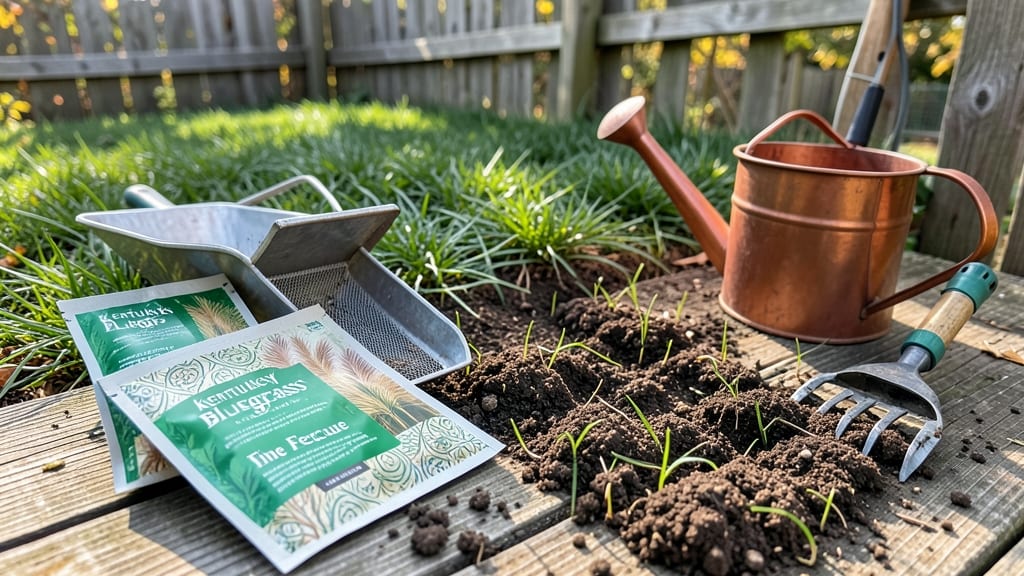
Planting grass seed in Minnesota too late can leave you with patchy lawns or wasted seed—so knowing the last-minute deadlines by USDA zone is key.
Minnesota’s short growing season leaves many wondering: Can I still plant grass seed in late summer or fall? Get the exact last-minute deadlines by USDA zone to avoid wasting seed—and money—on a failed lawn.
For USDA zones 3-5, the ideal window is early spring to mid-autumn, but late-summer plantings can work if you time it right. Cool-season 🌱 turfgrass like Kentucky bluegrass or fescue can handle fall plantings, while warm-season types like Bermuda grass struggle after mid-August.
Below, I’ll break down the zone-specific deadlines, how to extend your planting window with protective measures, and the 5 critical factors that determine success when seeding near the cutoff.
Minnesota grass seed planting deadlines by USDA zone (2024)
Minnesota’s USDA Zones 3-5 create tight windows for planting cool-season grass, which dominates the state. Unlike warm-season grasses, these varieties thrive when soil temps drop below 75°F—meaning late summer planting is risky.
I’ve mapped out the last safe dates by zone to help you avoid wasting seed on frost-sensitive sprouts.
For Zone 3 (northern MN), your window closes earlier than Zone 5—sometimes by weeks. The key isn’t just frost dates but soil temperature thresholds (ideal: 50-65°F).
Plant too late, and your grass may germinate but stay stunted before winter sets in. Let’s break down the zone-by-zone deadlines for both spring and fall.
🌱 Pro Tip: Use a soil thermometer to confirm temps before seeding. If soil is warmer than 70°F, delay planting—even if the calendar says it’s "safe."
Notice how Zone 5 can push planting into mid-October, while Zone 3 must finish by mid-September? That’s why I recommend checking your local frost dates—they can vary by 1-2 weeks even within the same zone.
For example, Duluth (Zone 3) often sees frost by Sept 20, while Rochester (Zone 4) might wait until Oct 5.
If you’re planting Kentucky bluegrass or fine fescue (common cool-season choices), aim to have 4-6 weeks of growth before the first frost. That means if frost hits Oct 1, your last planting date should be early September in Zone 3. Use a frost calendar like the <
Late-season grass seed success: 5 critical factors to extend your planting window
When Minnesota’s fall frost looms, many gardeners panic—did I plant my grass seed too late? The answer isn’t black and white. With the right strategies, you can push back your planting window by 2-4 weeks without sacrificing success.
I’ve overseeded my lawn in mid-September with great results by focusing on these 5 critical factors.
First, soil temperature is the #1 dealbreaker. Cool-season grasses like tall fescue and Kentucky bluegrass need soil temps between 50°F and 65°F for germination. If your soil is still above 70°F, wait—heat stress will kill seedlings before they sprout.
Use a soil thermometer to check daily, especially in south-facing areas that stay warm longer.
Don’t let late-season planting stress you out. I’ve successfully overseeded in October by combining these factors with patience. For example, last year, I planted fine fescue on October 5th in zone 4 and had 70% coverage by Thanksgiving. The key? Consistent moisture and protection from early frosts.
Pro tip: If you’re planting in late September, use a seed starter fertilizer (high in phosphorus) to boost root growth before winter. Skip nitrogen—it encourages top growth, which weakens before frost. Instead, focus on potassium to harden off seedlings.
Remember, grass seed can germinate at 40°F, but seedlings won’t survive consistent freezing. If your first frost is forecast within 3 weeks, prioritize frost protection over pushing the planting date. A lightweight row cover can add 5-10°F of protection—enough to buy you time.
🌱