
Plants
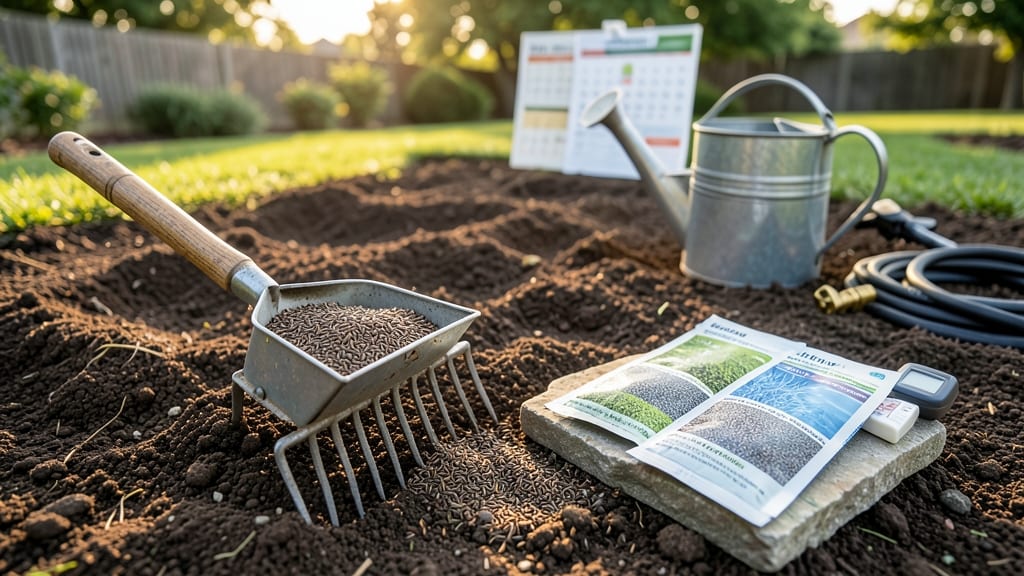
Missed the ideal window for planting grass seed in Massachusetts? Don’t panic—knowing the last-minute deadlines by zone can still save your lawn this season. But act fast, because waiting too long means winter frost, poor germination, and wasted seed.
In zones 5b-6b, the real deadline is late September for cool-season grasses like Kentucky bluegrass, which need 4-6 weeks to establish roots before the ground freezes. That gives you a two-month buffer after the spring rush, but timing matters more than you think.
Below, I’ll break down the exact last dates by region, how to prep soil in 10 minutes or less, and the one trick that lets you plant up to two weeks later without risking failure.
Massachusetts grass seed planting deadlines by USDA hardiness Zone
If you're wondering when is it too late to plant grass seed in Massachusetts, the answer depends on your USDA hardiness zone and local microclimates. Most of the state falls within zones 5b-7a, with coastal areas slightly milder.
The last safe window for planting cool-season grasses like Kentucky bluegrass or fescue is typically mid-September to early October, but timing shifts based on your zone and frost risk.
For Zone 5b (western MA, including Worcester and Springfield), the absolute deadline is September 20th—after that, frost becomes too likely. In Zone 6a (central MA, like Boston and Worcester), you can stretch until October 5th.
Meanwhile, Zone 7a (coastal areas like Cape Cod) allows planting until October 15th due to warmer ocean-influenced temperatures.
🌱
Even within these deadlines, early fall planting (late August to mid-September) gives grass 4-6 weeks to establish roots before winter. This is why September 1st is often considered the sweet spot—soil stays warm enough for germination while nights begin cooling, reducing stress on young seedlings.
For coastal areas, like Cape Cod or Martha's Vineyard, ocean breezes can delay frost by 1-2 weeks. Use this to your advantage by planting annual ryegrass, which germinates faster (7-14 days) than fescue or bluegrass.
Inland areas, however, should prioritize tall fescue or fine fescue, which handle cooler soils better.
🌿
If you're planting near the deadline, test your soil temperature first. Use a soil thermometer to confirm it’s at least 50°F (10°C)—below this, germination slows dramatically. For late-September plantings, consider using a lightweight frost blanket or straw mulch to protect seedlings during unexpected cold snaps.
One common mistake is assuming all grass seeds have the same timing needs. Warm-season grasses (like Bermuda grass) are a no-go in MA—they need consistent summer heat and won’t survive our winters.
Stick to cool-season varieties, which are bred to thrive in 50-75°F soil and handle light frosts once established.
✂️
Pro tip: If you’re repairing a lawn in late fall, focus on overseeding with annual ryegrass—it germinates quickly and provides winter green-up. For new lawns, September 15th is the last ideal date in most of MA.
After that, success depends on soil prep, seed selection, and protective measures against early frost.
For Zone 7a gardeners pushing the envelope, October 1st is your absolute cutoff—after that, winter dormancy sets in too quickly for new grass to root. Use this as your final deadline, even if coastal areas might squeeze in a few extra days with ideal conditions.
How late can you plant grass seed in Massachusetts without risking failure?
Massachusetts gardeners often assume spring is the only window for grass seed, but late-season planting can still work—if you respect the soil temperature rules and regional frost timelines.
The real deadline isn’t a fixed date but a 4-6 week buffer before the first hard frost, which varies by zone and microclimate. For example, coastal areas like Cape Cod may have a 2-week extension compared to inland zones like Worcester.
Your best bet is late August to early September, when soil stays above 50°F (10°C) for cool-season grasses like Kentucky bluegrass or tall fescue. Warm-season grasses like Bermuda or Zoysia (rare in MA) need even earlier timing, but they’re not ideal for our climate.
The key is soil warmth, not air temperature—use a soil thermometer to confirm before planting.
⚠️ callout-warning
Hard Frost Deadline: Plant no later than October 1 in Zone 5b (Western MA) or October 15 in Zone 6b (Eastern MA). Soil must stay above 50°F (10°C) for 4+ weeks post-planting.
Risk Zone: After October 15, germination drops 50% due to shorter daylight and colder nights. Seedlings won’t root deeply enough to survive winter.
Exception: Annual ryegrass germinates faster (7-14 days) and tolerates cooler soil, buying you 1-2 extra weeks if mixed with slower varieties.
Your seed type dictates your deadline. Cool-season grasses (the majority planted in MA) thrive when days shorten but nights stay mild. Fine fescue, for instance, germinates at 45°F (7°C), while perennial ryegrass needs 55°F (13°C).
If you’re pushing the envelope, annual ryegrass is your safest bet—it germinates in 7-14 days and can handle cooler soils, giving you a 2-week extension in borderline conditions.
Extending the season isn’t just about timing—it’s about protection. A lightweight row cover or straw mulch (2-3 inches thick) can insulate soil and retain 5-10°F of warmth, pushing your deadline by 10-14 days.
For example, covering newly seeded areas with burlap or frost cloth at night can protect seedlings down to 28°F (-2°C), which is common in late October. Just remove covers during the day to avoid overheating.
Don’t ignore soil prep when planting late. Cool soil struggles to warm up, so amend with compost (2-3 inches mixed in) to improve heat retention. A slow-release fertilizer (like 10-10-10) at planting gives seedlings a nutrient head start before winter dormancy.
Skipping this step means weaker roots and higher frost damage risk. Water deeply twice daily for the first week to offset cooler air temperatures, which slow evaporation.
If you’re still unsure, test your soil’s readiness with the "fist test": Push your fist 2 inches deep—if the soil feels damp but not soggy and warms up to 50°F+ within a few hours of sunlight, it’s safe to plant.
Otherwise, wait another week or switch to spring planting. Remember, late planting isn’t impossible—it’s strategic, and the right seed, soil prep, and protection can turn a "too late" moment into a successful lawn by next spring. 🌱