
How To
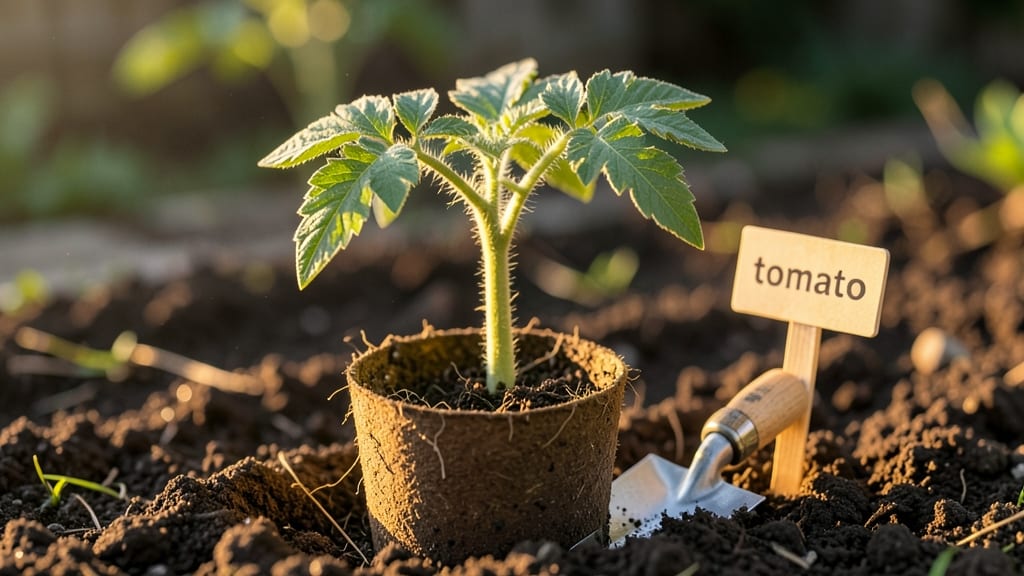
The right tomato seed depth is the secret weapon between a garden full of plump 🍅 and a sad tray of failed sprouts—yet most gardeners guess wrong.
Planting tomato seeds too deep smothers them, while too shallow means they dry out before germinating. Even experienced gardeners in Zone 6 often get this step wrong, and the stakes couldn’t be higher: a ¼-inch miscalculation can mean the difference between a harvest and a reorder.
Below, I’ll break down the exact depth for heirloom, hybrid, and large-seeded varieties, plus how soil temperature and moisture play into the equation. No more guessing—just science-backed success for your spring planting.
You’ll also learn how to fix common mistakes (like over-planting or poor soil prep) and when to transplant seedlings without shocking them. Let’s get those seeds sprouting right.
Optimal tomato seed depth by seed type (inches & science)
Getting the tomato seed depth right isn’t just about inches—it’s about seed size, soil temperature, and moisture balance. Most gardeners default to a generic "¼-inch" rule, but heirloom tomatoes, hybrids, and large-seeded varieties all have different needs.
For example, cherry tomatoes (like 'Sweet 100') need shallower planting than beefsteak varieties like 'Brandywine'.
Here’s the science: seeds need oxygen and warmth to germinate. Planting too deep starves them of air, while too shallow risks drying. The ideal depth ensures the seed stays moist but not waterlogged, with soil temps above 60°F for consistent sprouting.
In Zone 6, this means starting seeds indoors 6-8 weeks before your last frost (around late March).
Below, I’ve broken down the exact depths by seed type, plus how to adjust for soil conditions and seedling strength. Pro tip: Use a seed-starting mix with perlite to improve drainage—this prevents rot, especially for large seeds.
For heirloom tomatoes, a ¼-inch depth is standard, but large-seeded varieties like 'Beefmaster' can handle up to ½-inch because their thicker coats store moisture longer. Meanwhile, cherry tomato seeds are so tiny that 1/8-inch is ideal—they dry out fast if exposed. Always use a fine-mesh sieve to avoid over-covering.
Soil temperature is just as critical as depth. If your soil is below 60°F, germination slows dramatically. Use a soil thermometer to check—if it’s cooler, start seeds indoors under grow lights.
Pro tip: Place your seed tray on a seedling heat mat (set to 75°F) to speed up sprouting, especially for hybrids.
Moisture is the final piece of the puzzle. After planting, use a spray bottle to mist the soil until it’s damp but not saturated. Cover the tray with plastic wrap to retain humidity, then remove it once sprouts appear.
Overwatering is a common killer—root rot sets in quickly if seeds sit in soggy soil.
Once seedlings have 2–3 true leaves (not just cotyledons), it’s time to thin them. Space them 1–2 inches apart in their tray to avoid competition. If you’re direct-sowing outdoors, wait until soil temps hit 60°F and plant at the same depths listed above.
Use a seedling dibber for precision—it makes holes the exact size you need.
Remember: depth isn’t just about inches. It’s about balancing air exposure, moisture retention, and temperature stability. If your seeds aren’t sprouting within 7–14 days, check for these three issues first: too-deep planting, cold soil, or dry conditions.
Adjust and try again—your future tomato harvest depends on it!
Common mistakes that kill tomato seed germination (and how to fix them)
Even the most eager gardeners can sabotage their tomato seeds before they sprout. The most common mistake? Planting seeds too deep or too shallow, which disrupts the delicate balance of moisture, air, and light needed for germination.
I’ve seen trays of seeds left to dry out because they were barely covered, while others suffocated under too much soil.
Other culprits include cold soil, poor drainage, and inconsistent watering—all of which can turn your seed-starting dreams into a lesson in frustration. The good news? These mistakes are easy to fix once you know the science behind them.
⚠️ Deadly Depth Mistake
Planting tomato seeds deeper than ¼ inch blocks light and air, suffocating the seed. Most seeds need 2-3x their width in soil—so a ⅛-inch-thick seed should only go ¼ inch deep. Over-planting also forces seedlings to fight their way up, weakening stems and delaying growth.
Fix it: Use your finger to make a shallow furrow, place seeds gently, and cover with fine compost or vermiculite—never heavy garden soil.
Another silent killer is cold soil. Tomato seeds need soil temperatures of at least 60°F (15°C) to germinate. If your soil is cooler, seeds may rot instead of sprouting. I’ve had this happen in early spring when I rushed planting without checking soil warmth.
Poor soil conditions—like compacted or waterlogged soil—can also strangle seeds. Tomato seeds need well-draining, moist soil to start. If your soil feels like wet clay, mix in perlite or compost to improve aeration. A simple test: press your finger into the soil—if water pools, it’s too dense.
Inconsistent watering is another top mistake. Seeds need constant moisture but will drown if overwatered. Use a spray bottle or misting system to keep soil evenly damp, and avoid letting trays sit in water. Bottom-watering (placing trays on a shallow tray of water) helps maintain humidity without over-saturating.
Finally, low light can stall germination. Place seed trays in the sunniest spot in your home or under grow lights (12-16 hours/day). Without enough light, seedlings grow leggy and weak. If your windowsill isn’t bright enough, supplement with a LED grow bulb—it’s a game-changer for indoor starts.
By fixing these common mistakes—correct depth, warm soil, proper drainage, and consistent moisture—you’ll see sprouts in 5-10 days instead of weeks. Trust me, your future tomato plants will thank you with bigger 🍅 and healthier growth.