
Propagation
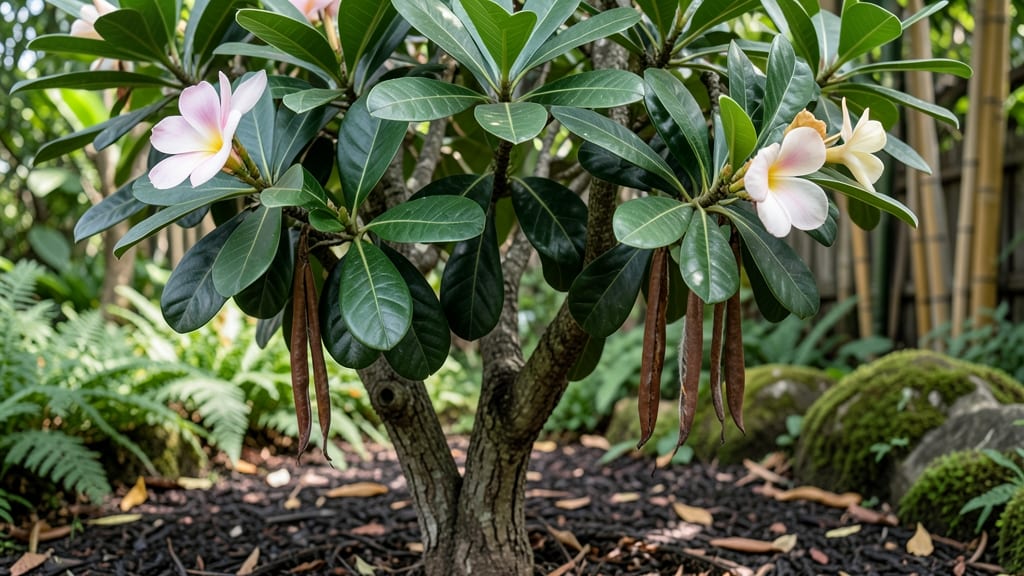
Plumeria seed pods are nature’s way of helping your tree thrive, but timing their harvest is the key to growing stronger plants.
Those intriguing seed pods dangling from your plumeria 🌺 aren’t just decorative—they’re packed with potential. But harvest too early or too late, and you could weaken your tree or miss the chance to grow new varieties. The secret lies in knowing when they’re ripe and how to handle them properly.
Whether you’re aiming to propagate new plumeria or simply manage the pods, this guide covers everything from spotting the perfect harvest moment to processing seeds for future growth. You’ll learn how climate affects ripening, how to test seed viability, and even how to troubleshoot common germination issues.
Ready to turn those seed pods into a thriving plumeria collection? Let’s dive into the best practices for harvesting, storing, and growing plumeria from seed—so you can enjoy more of these fragrant beauties in your garden.
When to harvest plumeria seed pods for maximum viability
Harvesting plumeria seed pods at the right time is crucial for ensuring high germination rates and avoiding wasted effort. These pods form after your plumeria blooms, typically in late summer to early fall, but their readiness depends on color, texture, and environmental cues.
If you harvest too soon, the seeds won’t be fully developed, while waiting too long risks them splitting open naturally and scattering seeds prematurely.
In tropical climates like USDA Zones 10-12, plumeria seed pods mature faster due to consistent warmth and humidity. Meanwhile, gardeners in temperate zones may need to extend their harvest window slightly, as cooler temperatures slow the ripening process.
Understanding these differences helps you time your harvest perfectly for optimal seed viability.
| Ripeness Cue | Tropical Zones (10-12) | Temperate Zones (9 or below) | Action to Take |
|---|---|---|---|
| Pod Color | Deep brown to black | Light brown to tan | Harvest when fully colored |
| Texture | Dry, papery, and slightly brittle | Dry but still firm | Gently squeeze to test readiness |
| Seed Movement | Seeds rattle inside | Minimal or no movement | Shake pod over paper to check |
| Harvest Window | Late summer to early fall | Early fall to late fall | Monitor weekly for changes |
| Climate Note | Humidity speeds ripening | Cooler temps delay maturity | Extend harvest season if needed |
One of the first signs that plumeria seed pods are ready for harvest is a noticeable color change. In tropical climates, pods start as green and transition to a deep brown or black when fully mature.
In cooler temperate zones, the pods may only turn a light tan or brown, so don’t rely solely on color—always check the texture too.
Texture is your next clue. A ripe plumeria pod should feel dry and papery, almost like crumpling paper between your fingers. If the pod still feels firm or slightly rubbery, it’s not ready yet.
Gently squeeze the pod—if it gives slightly and you hear seeds rattling inside, that’s your cue to harvest soon. Waiting too long risks the pod splitting open on its own, scattering seeds before you can collect them.
Timing is especially critical in temperate zones, where cooler temperatures can delay the ripening process by 2-4 weeks compared to tropical climates. If you’re in a region with unpredictable weather, start monitoring your pods in early fall and be prepared to extend your harvest window.
A simple trick is to mark pods with a soft-tip marker when they first change color, so you can track their progress easily.
Another key indicator is the seed movement inside the pod. Shake the pod gently over a piece of paper—if seeds fall out easily, it’s time to harvest. If only a few seeds come out or none at all, wait another 3-5 days before checking again.
This method works best in the morning when the pods are dry, as humidity can make them stick together.
Harvesting at the right time also protects your plumeria tree. Removing ripe seed pods reduces stress on the plant, allowing it to redirect energy toward new growth and blooming instead of seed production.
If you notice pods splitting open naturally, act quickly to collect any seeds that have fallen out—these may still be viable, though their germination rate might be lower.
In tropical climates, plumeria seed pods often ripen in 6-8 weeks after flowering, while in temperate zones, the process can take 8-12 weeks. Keep a garden journal to track the timeline for your specific plumeria variety, as some cultivars mature faster than others.
For example, Plumeria rubra tends to ripen pods quicker than Plumeria obtusa, so adjust your expectations accordingly.
Once you’ve identified ripe pods, harvest them using clean, sharp pruning shears to avoid damaging the plant. Cut the pod about ½ inch above the base, where it meets the stem.
Place the pods in a paper bag to catch any seeds that may fall out during transport, and label them with the harvest date for future reference.
After harvesting, store the pods in a cool, dry place for 1-2 weeks to ensure the seeds inside are fully dry. This step is critical for preventing mold and increasing germination success.
Once the seeds are dry, you can separate them from the pod and store them in an airtight container until you’re ready to plant. With the right timing and care, you’ll be well on your way to growing healthy plumeria seedlings from your harvested seeds!
Step-by-Step guide to harvesting and processing plumeria seeds
Once you’ve identified your plumeria seed pods as ripe, the next step is careful harvesting to preserve their viability. Using clean, sharp pruning shears or garden scissors, snip the pods just above the stem attachment point.
This prevents damage to the parent plant while ensuring you capture the entire pod intact.
Avoid pulling or twisting the pods, as this can cause the seed pod to split prematurely and scatter seeds before you’re ready. Work gently but firmly, especially if the pods are dry and papery—a sign they’re fully mature.
Collect pods in a paper bag or breathable container to prevent moisture buildup, which can lead to mold.
- 🌱 Step 1: Collect Ripe Pods – Harvest pods when they turn brown and dry (usually 4-6 weeks after flowering). Use sterilized shears to avoid contamination.
- 🪴 Step 2: Dry the Pods – Spread pods in a single layer on a mesh screen or paper towel in a shady, dry location for 3-5 days. Avoid direct sunlight to prevent cracking.
- ✂️ Step 3: Open the Pods – Once completely dry, gently squeeze or cut open the pods to release seeds. Discard any shriveled or discolored seeds immediately.
- 💧 Step 4: Clean the Seeds – Rinse seeds in lukewarm water to remove debris, then pat dry with a paper towel. Let them air-dry for 24 hours.
- 🌿 Step 5: Test Viability – Fill a glass with water, add seeds, and wait 24 hours. Floating seeds are non-viable; sinkers are ready for planting.
- 📦 Step 6: Store Seeds – Place viable seeds in a paper envelope with a silica gel packet to absorb moisture. Label with the harvest date and store in a cool, dark place.
After harvesting, drying the seed pods is critical to prevent mold and ensure seed viability. Lay the pods in a well-ventilated area away from direct sunlight for 3-5 days.
A mesh screen or paper towel works perfectly—just avoid plastic bags, which trap moisture. Once fully dry, the pods will split open easily, revealing the seeds inside.
To process the seeds, gently crack open the dried pods and remove the seeds. Discard any that appear wrinkled or discolored, as these won’t germinate. For the remaining seeds, conduct a simple float test: place them in a bowl of water.
Viable seeds will sink, while non-viable ones will float. This quick check saves you time and effort later.
Store your viable seeds in a paper envelope or airtight container with a silica gel packet to absorb excess moisture. Label the container with the harvest date and store it in a cool, dark place, like a refrigerator drawer.
Properly stored, plumeria seeds can remain viable for 1-2 years, though germination rates drop over time.
Common mistakes to avoid include harvesting pods too early (when they’re still green) or storing them in humid conditions. Overwatering the parent plant before harvest can also reduce seed quality. By following these steps, you’ll maximize your chances of growing healthy plumeria seedlings from your harvested seeds.