
Lawn
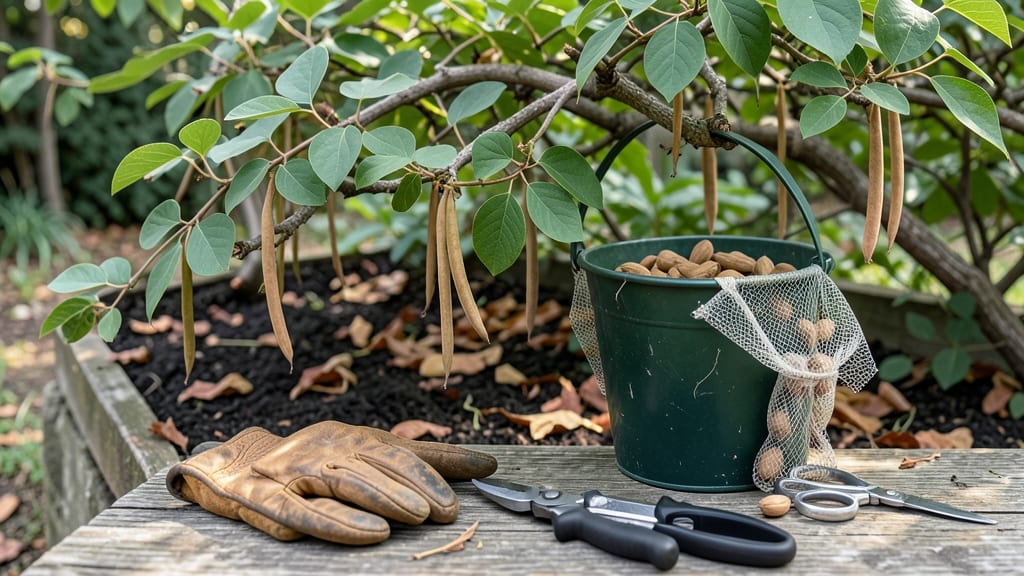
Remove wisteria seed pods in late summer to early fall before they burst open and scatter seeds everywhere—this is the key to stopping your garden from becoming overrun with unwanted saplings.
Picture this: you’ve spent years cultivating your 🌸 wisteria vine, only to wake up one morning and find tiny seedlings popping up everywhere. That’s exactly what happens when those pods split open naturally, releasing hundreds of seeds.
The good news? A little timing and effort now can save you headaches later.
Most gardeners wait until the pods turn brown and dry but haven’t yet cracked open—usually between August and September in Zone 6a.
This window gives you the perfect chance to remove them before they become a nuisance, while still allowing the vine to focus its energy on next year’s blooms.
Below, I’ll walk you through the exact steps to remove these pods safely, how to dispose of them properly, and why doing this at the right time keeps your wisteria healthy and your garden tidy.
Critical timing for removing wisteria seed pods before they explode
Wisteria seed pods may look charming dangling from your vine, but they’re actually biological seed dispersal bombs. When left unchecked, they’ll explode open and scatter hundreds of seeds across your yard—turning your prized vine into an invasive volunteer nightmare.
The key to stopping this spread is timing your removal just right, and the window is narrower than you might think.
Most gardeners wait until fall to tackle wisteria maintenance, but that’s actually too late for seed pod removal. The perfect moment arrives in late summer to early fall, when pods are fully mature but haven’t yet burst.
This typically falls between mid-August and mid-September in most USDA zones, but your local climate will shift this window slightly. Missing this timing means you’ll either deal with messy, exploded pods or risk next year’s unwanted seedlings.
⏰ Your Wisteria Seed Pod Removal Timeline
- 🌿 Late July: Pods form after flowering. They’ll start as green and soft—not ready for removal yet.
- 🌻 Mid-August: Pods turn brown and leathery. This is your first warning—time to monitor closely.
- 🍂 Late August to Early September: Perfect removal window. Pods are fully mature but haven’t exploded yet. Look for dry, papery texture and slight crackling sounds when squeezed.
- 🍁 Mid-September: Last chance. If pods are still intact but starting to split open, remove them immediately to prevent seed spread.
- 🍃 October Onward: Too late. Most pods will have already burst and released seeds. You’ll need to deal with cleanup and prevention instead.
💡 Pro Tip: Check pods weekly during this window. A quick visual and auditory inspection (listen for crackling) will tell you if they’re ready.
So how do you identify the exact moment for removal? Start by examining the pod’s texture and color. When fully mature, wisteria seed pods turn a dull brown color and develop a leathery, papery feel.
If you gently squeeze a pod and hear a dry crackling sound, that’s your cue—it’s ready to be removed. At this stage, the pods are fully hardened but haven’t yet released seeds, making removal both effective and easy.
Another key visual clue is the pod’s seam. When pods are mature but unburst, you’ll notice a slightly raised ridge running down the center. This seam will split open explosively once seeds are ready to disperse.
If you see pods with open seams but no seeds on the ground, you’ve missed the boat—those seeds are already scattered in the wind. Act before you see this happen!
If you’re unsure whether your pods are ready, perform the "squeeze test". Hold a pod firmly in your hand and apply gentle pressure. If it feels firm and dry with no give, it’s ready for removal.
If it’s still slightly pliable or greenish, wait a few more days. This simple test saves you from removing pods too early (which can stress the vine) or too late (when seeds have already spread).
Timing your removal correctly also protects your wisteria’s health. Leaving seed pods on the vine drains energy from the plant, which could otherwise be used for next year’s blooms. Additionally, exploding pods can damage nearby branches or even injure passersby with their sudden bursts.
By removing them at the right time, you’re not just preventing weeds—you’re also encouraging stronger growth and longer-lasting flowers in future seasons.
One common mistake gardeners make is waiting until fall cleanup. By then, many pods have already burst and released seeds, and you’ll be left with scattered seedlings to deal with in spring.
Instead, treat late summer as your seed pod removal deadline. Think of it like pruning before winter dormancy—it’s a preventative maintenance task that pays off big time the following year.
For those in warmer climates (like USDA zones 8-10), your removal window may extend into early October. Conversely, gardeners in cooler zones (5-7) should aim to finish by mid-September to avoid early frost damage to the vine.
Always adjust based on your local first frost date—you want to remove pods at least 2-3 weeks before frost to allow the vine to harden off naturally.
Finally, remember that consistency is key. If you let even a few pods burst and release seeds, you’ll spend the next year pulling up volunteer wisteria in unexpected places.
Make seed pod removal a regular part of your late-summer garden routine, and your wisteria will thrive without turning into an invasive pest. With the right timing, you’ll enjoy beautiful blooms without the headache of seed spread.
Step-by-step guide to safely removing seed pods without harming the vine
Removing wisteria seed pods is easier than you think, but timing and technique matter. Start by wearing thick gardening gloves—those pods can be tough and sometimes contain irritating fibers.
Grab a small pruning shears or sharp scissors for pods that are hard to reach, and a bucket or trash bag for disposal.
Your goal is to remove pods before they split open, which usually happens in late September to October. If you wait too long, seeds will scatter, and you’ll face a garden full of unwanted seedlings next spring.
The key is to act when pods are dry and brown but still intact.
- Step 1
- Identify mature pods—they’ll be brown and dry but still closed. Avoid removing green or soft pods, as they’re not ready yet.
- Step 2
- Gently twist or snip pods from the vine using pruners. For stubborn pods, use a handsaw or long-nose pliers to avoid damaging the vine.
- Step 3
- Place pods in a sealed trash bag immediately to prevent seeds from escaping. If pods are already on the ground, collect them by hand and dispose of them in the trash.
- Step 4
- Sanitize your tools with rubbing alcohol to prevent spreading diseases between cuts. Wipe down gloves if they’ve come into contact with sap or debris.
- Step 5
- After removal, water the vine to help it recover. This encourages new growth and ensures your wisteria stays healthy for next year’s blooms.
If you miss the window and pods have already burst, don’t panic. Rake up any fallen seeds and dispose of them in the trash. Seeds can remain viable for up to 2 years in the soil, so thorough cleanup is essential to prevent future sprouts.
Pro tip: Mark your calendar for mid-September each year to stay ahead of pod season. A little preparation now means fewer surprises—and a garden free of unwanted wisteria seedlings! 🌿