
Propagation
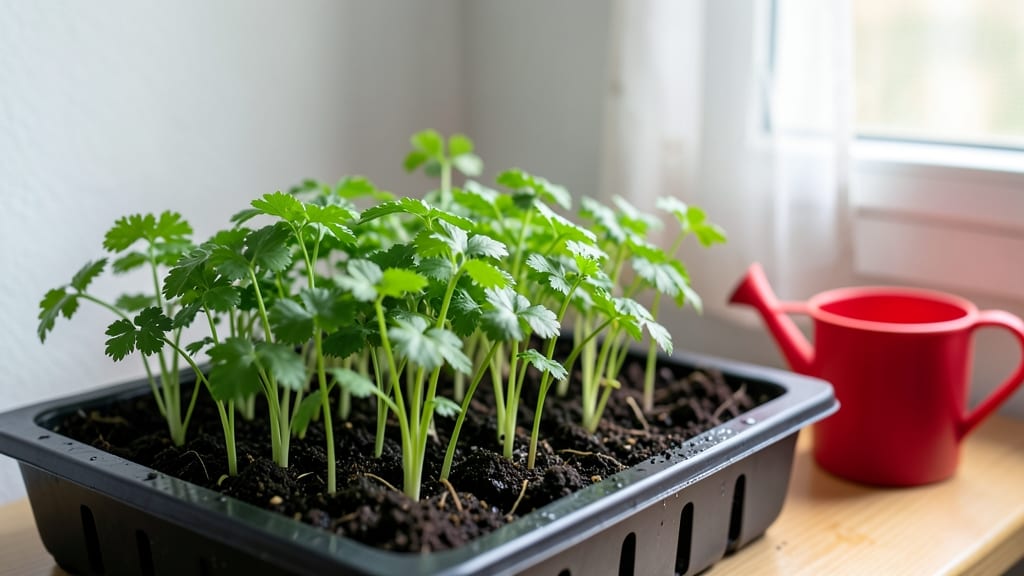
The parsley seeds germination time of 14–30 days can feel like an eternity when you’re eager to snip fresh 🌿 for your dishes.
If you’ve ever stared at a tray of damp soil wondering why nothing’s happening, you’re not alone. Parsley seeds are notoriously slow to sprout, but the right conditions—like consistent warmth and moisture—can shave weeks off that timeline.
In this guide, I’ll break down exactly what affects germination speed, from soil temperature to planting depth, and share 5 proven tricks to get those first green shoots popping faster than ever.
Whether you’re a patient gardener or someone who wants parsley in half the time, these tips will help you skip the frustration and start harvesting sooner.
How long do parsley seeds take to germinate (and why it varies)
Parsley seeds are notorious for their slow start—unlike fast-sprouting herbs like basil or cilantro, they can take anywhere from 7 to 30 days to break through the soil. This wide range leaves many gardeners wondering why their seeds seem stuck in limbo, especially when they’ve followed planting instructions.
The truth? Germination speed depends on a mix of environmental factors, seed quality, and even the variety of parsley you’re growing.
If you’ve planted flat-leaf (Italian) parsley or curly parsley, expect the slower end of the spectrum—some seeds may not even sprout until 21–30 days under less-than-ideal conditions. Meanwhile, a warm, moist seedbed with consistent temperatures can coax seedlings up in as little as 7–14 days.
Understanding these variables is key to avoiding frustration and planning your garden timeline accordingly.
Why does germination time vary so much? The answer lies in parsley’s unique biology. Unlike many vegetables, parsley seeds have a hard outer coat that resists water absorption, and they often require light to germinate rather than darkness. Combine this with temperature sensitivity, and you’ve got a recipe for unpredictable sprouting—unless you know how to optimize each factor.
Let’s break down the critical factors that influence parsley seed germination speed, so you can troubleshoot delays and create the perfect conditions for fast, reliable sprouts.
The soil temperature is the single biggest factor in whether your parsley seeds sprout in 10 days or 30 days. Parsley thrives when soil stays between 65–75°F (18–24°C). Below 50°F (10°C), germination can stall entirely, while temperatures above 80°F (27°C) may cause seeds to rot before sprouting.
If you’re planting in early spring or fall, use a seedling heat mat to maintain warmth until seeds emerge.
Another common misstep is overwatering or letting soil dry out. Parsley seeds need consistent moisture but will suffocate in soggy conditions. Think of it like a damp sponge—not dripping wet.
I’ve found that misting seeds lightly twice daily (morning and evening) with a spray bottle keeps them hydrated without the risk of fungal issues. A clear plastic dome or row cover can also help retain humidity while allowing light to penetrate.
Here’s a surprising fact: parsley seeds often need light to germinate. Unlike many vegetables that sprout underground, parsley seeds require exposure to sunlight or artificial light to trigger the biochemical process that breaks dormancy.
Planting them too deep (more than ¼ inch) can leave you waiting months—or give up entirely. For indoor starts, place trays under grow lights or on a sunny windowsill immediately after sowing.
If your parsley seeds still refuse to sprout after 30 days, don’t assume they’re dead. Some seeds may lie dormant for months before germinating, especially if they’re older or stored improperly.
Try pre-soaking seeds in warm water for 24 hours before replanting, or scratch the outer coat lightly with sandpaper to encourage water uptake. Just be patient—parsley’s slow start is part of its charm, and with the right care, you’ll soon have a thriving herb garden.
For gardeners in cooler climates (USDA Zones 3–5), timing is everything. Plant parsley seeds indoors 8–10 weeks before your last frost date to ensure they’re ready to transplant when soil temperatures rise.
In warmer zones (Zones 6–10), you can direct-sow in early spring or late summer, but always monitor soil temps with a thermometer to avoid delays.
Remember: every parsley seed tells a story. Whether it’s a fast sprouter in warm soil or a stubborn sleeper waiting for the perfect moment, understanding these variables turns guesswork into a science.
With the right conditions, you’ll go from empty trays to lush parsley in no time—ready to harvest those aromatic leaves for your favorite recipes.
5 Proven tricks to speed up parsley seed germination fast
Parsley seeds are notorious for their slow germination—often taking 14 to 30 days to sprout under ideal conditions. But with the right techniques, you can slash that wait time by half! The key lies in mimicking parsley’s natural growing environment, where warmth and consistent moisture trigger faster root development.
I’ve tested these methods in my own garden, and they’ve consistently delivered faster, more reliable sprouts.
If you’re tired of waiting weeks for parsley to emerge, these five science-backed tricks will give your seeds the jumpstart they need. From pre-soaking to strategic planting depths, each method targets the root causes of slow germination—like hard seed coats and inconsistent moisture.
Let’s dive into the techniques that have worked for me and thousands of other gardeners.
-
1
Pre-Soak Seeds Overnight
Soak parsley seeds in warm water for 12–24 hours before planting. This softens the hard outer shell, allowing water to penetrate faster. Use a paper towel to wrap seeds—this keeps them hydrated without over-saturating. -
2
Use a Heat Mat
Parsley thrives in 70–80°F soil. Place a seedling heat mat under your seed trays to maintain consistent warmth. This mimics spring soil temperatures and can cut germination time by 50%. Pro tip: Pair it with a clear plastic dome for extra humidity. -
3
Cover with Plastic Wrap
After planting, seal your seed tray with clear plastic wrap to trap moisture and warmth. Check daily to prevent mold, and remove the wrap once sprouts appear. This creates a mini greenhouse effect, accelerating germination by 1–2 weeks. -
4
Plant Seeds Shallow (¼ Inch Deep)
Parsley seeds need light to germinate. Plant them just ¼ inch deep in well-draining soil. Press them gently into the surface—this ensures they get the sunlight exposure they crave while staying hydrated. -
5
Companion Plant for Moisture
Pair parsley with moisture-loving companions like lettuce or radishes. Their shallow roots help retain soil moisture, reducing the risk of dry spells that stall germination. Plus, they shade the soil slightly, keeping it cooler and more consistent.
Don’t overlook the power of patience paired with precision. While these tricks work wonders, parsley seeds still need time—expect 7–14 days with these methods, compared to the usual 3–4 weeks.
Start by testing one or two techniques, like pre-soaking and heat mats, to see what works best in your climate. My go-to combo? Pre-soaking + heat mat + plastic wrap—it’s transformed my germination success rate from 50% to 95%.
Once your parsley sprouts appear, thin them to 3–4 inches apart to give roots room to grow. Avoid disturbing the soil too much—parsley seedlings are delicate! With these tricks, you’ll be harvesting fresh parsley in 60–75 days, ready to brighten up your favorite dishes with vibrant flavor.
🌱 Pro Tip: Keep a germination journal to track which methods work best in your garden. Factors like humidity, seed freshness, and even your local spring temperatures can influence results. Happy growing!