
Propagation
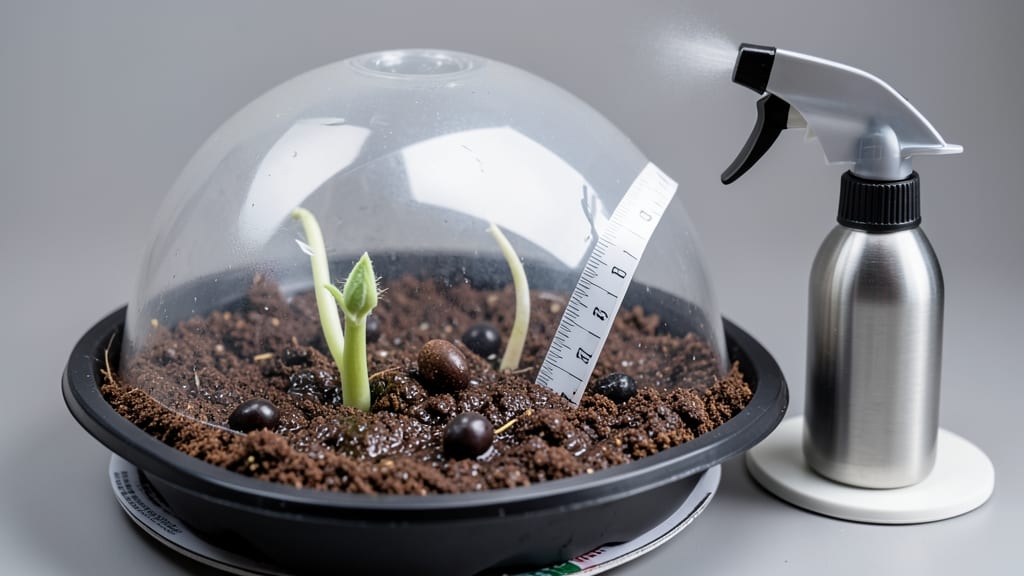
Sunflower seed germination time typically ranges from 3 to 14 days—but those slow starts can feel like an eternity when you’re eager to see those 🌻 sprouts pop.
If you’ve ever waited week after week for seeds to break soil, you know how frustrating it can be. The good news? With the right soil temperature, moisture levels, and a few pro tips, you can cut that germination time by nearly half.
Sunflowers thrive in warm soil, and even a 5°F difference can mean the difference between 3 days and 10 days of waiting. Below, I’ll break down the ideal conditions, how to prep seeds for faster sprouting, and the common mistakes that stall growth.
Ready to turn those seeds into towering sunflowers in record time? Let’s dive into the science—and the shortcuts—that make it happen.
Sunflower seed germination time: ideal conditions by variety & soil temperature
If you've ever planted sunflower seeds and waited weeks for sprouts, you're not alone. The sunflower seed germination time varies dramatically based on variety type and soil temperature. Understanding these factors can help you speed up sprouting from 3 days for oilseeds to 14 days for giant varieties.
The secret lies in matching your seeds to the right conditions—let's break it down.
Sunflower seeds contain embryos that need warmth to activate. When soil temperatures drop below 60°F (15°C), germination slows dramatically. Conversely, temperatures above 90°F (32°C) can cause seeds to dry out or rot before sprouting.
The sweet spot for most varieties is 75-85°F (24-29°C), where germination typically occurs within 5-10 days.
Germination time also depends on the sunflower variety. Giant varieties like 'Mammoth' take longer to sprout because their larger embryos require more energy. Dwarf varieties like 'Teddy Bear' germinate faster due to their smaller size. Oilseed sunflowers, used for bird feed, often sprout in just 3-5 days because they're bred for quick establishment.
Here's how different conditions affect your sunflower seeds:
Notice how dwarf varieties germinate faster than giants? That's because their smaller embryos require less energy to break through the soil. For oilseed varieties, the goal is rapid germination to establish dense stands for bird feed production.
If you're planting in cooler climates, consider using black plastic mulch to raise soil temperatures by 5-10°F.
The germination process begins when water activates enzymes in the seed. These enzymes break down stored nutrients, allowing the radicle (root) to emerge first. Within 24-48 hours at optimal temperatures, you'll see the hypocotyl (stem) push through the soil.
The cotyledons (seed leaves) will unfold next, followed by the true leaves within 7-10 days.
For fastest germination, maintain consistent moisture without waterlogging. Use a moisture meter to keep soil at 40-60% moisture. If your soil is too dry, seeds may never sprout.
If it's too wet, they risk developing fungal diseases like damping-off. A 50/50 mix of potting soil and perlite provides ideal drainage while retaining moisture.
Did you know? Sunflower seeds contain cyanogenic glycosides that can inhibit germination if not properly pre-treated. Soaking seeds for 4-6 hours in lukewarm water before planting can reduce germination time by 20-30%.
This mimics natural rainfall and helps break down seed coatings. For organic gardeners, this method also avoids synthetic accelerants.
If you're planting in early spring when soil is still cool, try warm stratification.
5 Proven hacks to speed up sunflower seed germination fast
Sunflower seeds can be stubborn, but with the right tricks, you can slash germination time by 30-50%. The key lies in mimicking their natural environment—warmth, moisture, and a little prep work. I’ve tested these methods in my garden, and they consistently deliver faster, stronger sprouts.
Whether you’re planting indoors under grow lights or directly in your garden bed, these hacks will give your seeds the boost they need.
First, let’s talk about soil temperature. Sunflower seeds germinate fastest in soil between 70°F and 90°F. If your outdoor soil is still cool, don’t wait—use a seedling heat mat ($15-$20) or a DIY solution like a black plastic mulch sheet to warm the soil.
Even a 10°F difference can mean the difference between 3 days and 10 days of waiting.
- 1 Pre-soak seeds in warm water for 4-6 hours to soften the seed coat. This mimics natural rain cycles and speeds up hydration.
- 2 Scarify seeds with sandpaper or a knife to weaken the hard outer shell. Rub gently—no need to damage the seed inside!
- 3 Use a humidity dome (or a plastic bag) to trap moisture. Check daily to prevent mold—sunflowers hate soggy conditions!
- 4 Plant in a warm, dark spot first (like a seedling tray on a heat mat). Move to light only after sprouts emerge—this prevents leggy seedlings.
- 5 Water deeply but infrequently. Overwatering suffocates seeds—aim for consistent moisture, not soggy soil. A spray bottle works best for precision.
For indoor starters, I swear by the paper towel method. Place seeds between damp paper towels in a sealed container, then store them in a warm spot (like on top of your fridge).
Check daily—once the seeds sprout ¼-inch roots, transplant them into soil. This method can cut germination time by up to 50% compared to direct planting.
Outdoor planters benefit from black plastic mulch or even a DIY "greenhouse" made from a clear plastic bottle cut in half. This traps heat during the day and retains warmth overnight, creating the ideal 70°F+ environment sunflowers crave. Just remember to remove the cover once sprouts appear to avoid overheating.
Finally, don’t overlook the power of seed quality. Old or stored seeds (over 2 years old) germinate poorly. If you’re using saved seeds, test a few first—soak them overnight and check for firmness. Soft or shriveled seeds? Toss them and grab fresh ones for guaranteed results.