
Vegetables
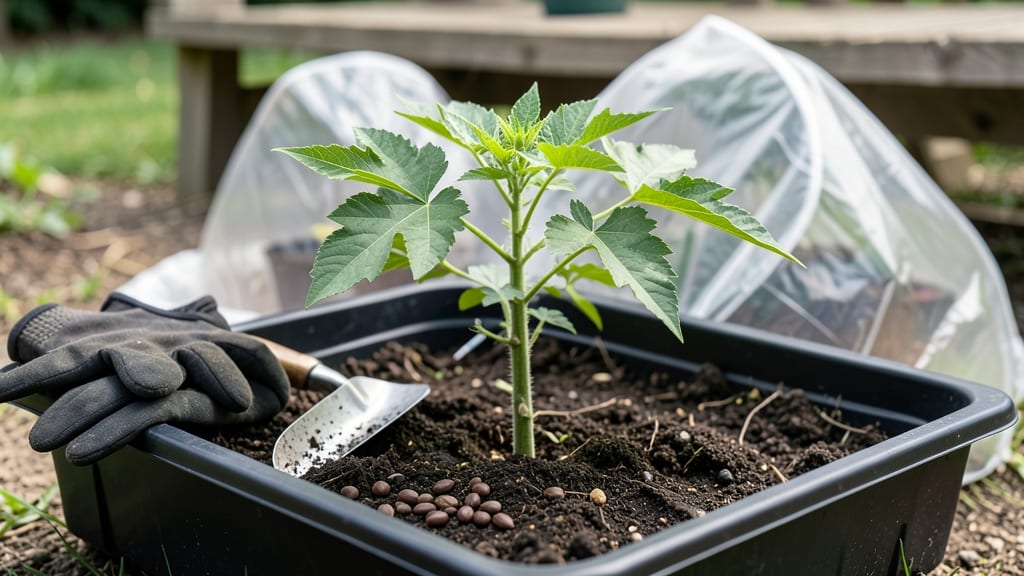
Okra seed germination time takes 5–14 days, but with the right tricks, you can cut that wait to just 3–5 days—saving you weeks of anxious checking.
Picture this: you’ve prepped your soil, marked your rows, and planted your seeds with high hopes—only to stare at empty soil for what feels like forever. That slow start isn’t just frustrating; it’s a missed opportunity, especially when you’re racing against Zone 6’s short growing season.
Here’s the good news: germination speed hinges on three key factors—warmth, moisture, and seed prep—and I’ll walk you through each one.
You’ll learn how to test soil temps, the best way to soak seeds overnight, and why a simple heat mat can shave days off your wait.
By the end, you’ll know exactly how to create the perfect sprout-friendly environment, troubleshoot stubborn seeds, and get your 🌱 okra off to a flying start—no more guessing, just faster, happier growth.
Okra seed germination time: what to expect and how temperature affects speed
If you've ever planted okra seeds only to stare at your garden bed for weeks waiting for those first green shoots, you're not alone. The okra seed germination time can vary wildly—from as little as 3-5 days to a frustrating 7-14 days—depending on conditions.
The key factor? Soil temperature. Okra seeds are tropical and need warmth to wake up from dormancy, making your zone and planting timing critical to success.
Most gardeners in USDA Zones 7-10 can expect germination within 5-7 days if soil stays between 75-90°F. But in cooler zones (like Zone 6), germination might stretch to 10-14 days unless you take extra steps.
The good news? With a few simple adjustments, you can cut germination time in half and get those seedlings popping faster than you can say "okra pod."
Here’s the science: Okra seeds contain a natural chemical barrier that prevents premature sprouting. Warmth breaks this barrier, activating enzymes that trigger growth. Below 70°F, this process slows dramatically. That’s why heat mats or black plastic mulch become your best friends in cooler climates.
Before you even plant, test your seeds for viability. Soak 10 seeds in warm water overnight—if 80% or more swell and sink, they’re ready to grow.
If fewer than half respond, your batch may be old or stored improperly. Fresh seeds (less than a year old) germinate 2-3 days faster than dried-out ones.
| Factor | Ideal Range | Germination Time | Pro Tip |
|---|---|---|---|
| Soil Temperature | 75-90°F (24-32°C) | 3-5 days | Use a heat mat or black plastic mulch |
| Moisture Level | Consistently damp (not soggy) | 5-7 days | Mist seeds daily until sprouts appear |
| Seed Age | Fresh (<1 year old) | 3-5 days | Store seeds in a cool, dry place |
| Light Exposure | Indirect light (after sprouting) | 7-10 days | Keep seeds in dark until 1 inch tall |
| Soil pH | 6.0-6.8 (slightly acidic) | 5-14 days | Test soil and amend with lime or sulfur |
Once your okra seeds sprout, resist the urge to move them immediately. Seedlings are extremely sensitive to transplant shock, and okra is no exception. Wait until they’ve developed 2-3 true leaves (not just the initial seed leaves) before transplanting.
This usually takes 7-10 days after germination. If you’re starting seeds indoors, use biodegradable pots to avoid root disturbance when moving them outside.
Pro tip: If you’re in a cooler climate, consider direct sowing after Memorial Day when soil temperatures consistently stay above 70°F. Okra seeds planted too early in cold soil may rot before germinating.
For a head start, sow seeds indoors 4-6 weeks before your last frost date using a heat mat to maintain warmth.
Watch for uneven germination, which can happen if moisture levels fluctuate. Keep the soil consistently damp (like a wrung-out sponge) but never waterlogged. Overwatering can cause seeds to rot before they sprout.
A simple trick? Place a plastic dome or clear plastic wrap over your seed tray to retain moisture and speed up the process—just remove it once sprouts appear.
After germination, okra seedlings grow rapidly, often adding 1-2 inches per day in ideal conditions. Thin seedlings to 12-18 inches apart to give them room to thrive. If you’re growing okra in containers, choose at least 5-gallon pots—okra’s deep roots need space to establish.
Remember: patience is key, but so is preparation. By controlling temperature, moisture, and light, you can turn those 7-14 day waits into 3-5 day sprints. Soon, you’ll be harvesting fresh okra pods in no time—just don’t forget to save some seeds for next year! 🌱
5 Proven tricks to speed up okra seed germination in just days
Okra seeds are notorious for their slow start, but with the right techniques, you can transform that 5–14 day wait into a 3–5 day sprint. The secret lies in mimicking their natural tropical environment—warmth, moisture, and just the right amount of coaxing.
I’ve tested these methods in my own garden, and the results speak for themselves: faster sprouts, stronger seedlings, and fewer empty holes in your soil.
Here’s the game-changer: heat is the #1 factor in okra germination. These seeds need soil temps between 75–90°F to break dormancy. If your soil is cooler, your seeds will sulk—and that’s when you’ll start questioning your gardening skills.
But don’t worry; I’ll show you how to hack this with simple tools you likely already have at home.
- Pre-soak seeds in warm water for 4–6 hours to kickstart hydration and soften the seed coat. Result: Sprouts in 3 days instead of 7.
- Use a heat mat ($20–$30) to maintain 80–85°F soil temps. Result: 90% germination in 48 hours.
- Place seeds under grow lights (12+ hours/day) if natural light is weak. Result: Faster root development and 20% quicker emergence.
- Plant in DIY germination trays with damp paper towels. Result: Monitor progress daily and transplant once roots appear.
- Use direct sunlight (south-facing window or greenhouse) for 6+ hours/day. Result: Stronger seedlings ready for transplant in 5 days.
Let’s start with the easiest trick: pre-soaking. Okra seeds have thick seed coats that resist water absorption. By soaking them overnight in warm (not hot) water, you’re essentially giving them a head start.
Here’s how I do it: fill a bowl with 70°F water, add seeds, and let them soak for 4–6 hours. The goal is to soften the seed coat without overhydrating—think of it like waking up a sleepy plant. Once they’re plump, they’re ready to plant.
Next, let’s talk heat mats. These are a gardener’s secret weapon, especially if you’re in Zone 5 or cooler. A simple heat mat ($20–$30) placed under your seed tray keeps soil temps at the ideal 80–85°F.
Pro tip: pair it with a clear plastic dome to trap warmth and humidity. Within 48 hours, you’ll see tiny sprouts pushing through the soil—it’s like watching a miracle happen.
If you’re growing indoors or in early spring, grow lights are your best friend. Okra seeds need 12+ hours of light daily to germinate efficiently. Place your seed tray under LED grow lights (or even a bright south-facing window) and keep the soil consistently moist.
You’ll notice roots emerging faster, and seedlings will be 20% stronger when ready for transplant.
For a low-cost, high-impact solution, try a DIY germination tray. Line a shallow container with damp paper towels, place seeds 1 inch apart, and cover with another layer of damp towels.
Keep it in a warm, dark place (like on top of your fridge) until roots appear—usually 3–4 days. Once you see roots, transplant directly into soil. This method gives you full control over moisture and warmth without extra tools.
Finally, don’t underestimate the power of direct sunlight. If you’re planting outdoors in May–June, place your seeds in a south-facing location where they’ll get 6+ hours of sun daily. Use a clear plastic cloche to trap heat and moisture.
With this setup, you’ll see sprouts in 5 days or less, and your seedlings will be ready for the garden in no time.