
How To
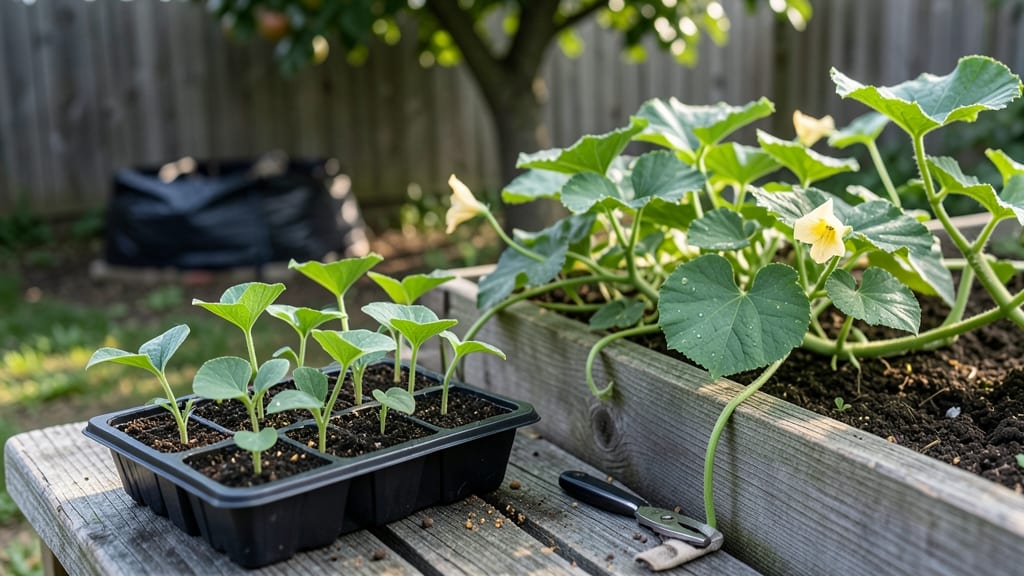
Pumpkin seeds to sprout can take anywhere from 3 to 14 days, but most gardeners see those first tiny green shoots within 7 days when they follow the right steps.
If you’ve ever stared at a tray of damp soil, willing those seeds to break through, you know the frustration. Some pop up in a few days, while others take weeks—or never show at all.
The difference often comes down to soil temperature, moisture, and a few simple tricks most gardeners overlook.
Understanding the germination timeline and ideal conditions for your 🎃 seeds is the key to faster, more reliable sprouts. Whether you’re growing heirloom giants or compact varieties, the right approach can cut waiting time in half.
In this guide, I’ll walk you through what to expect, how to speed up germination, and the common mistakes that turn patience into wasted effort. Ready to see those first shoots in record time?
Pumpkin seed germination timeline: what to expect (and when to worry)
If you're eagerly waiting for those pumpkin seeds to sprout, you're not alone! The germination process is one of the most exciting (and sometimes nerve-wracking) parts of growing pumpkins.
On average, pumpkin seeds take 7 to 14 days to sprout under ideal conditions, but some varieties can break through soil in as few as 3 days. Understanding each stage helps you track progress and troubleshoot delays.
Germination begins when you plant the seeds, but the real action starts after 24 to 48 hours if conditions are perfect. The first visible sign is the radicle (the tiny root) emerging from the seed.
This usually happens 3 to 5 days after planting, though it can take longer in cooler soils. Once the radicle grows about ½ inch, the seedling will push through the soil surface in another 2 to 4 days.
Here’s what to expect at each stage, along with the ideal conditions to keep your seeds on track:
| Stage | Timeframe | What to Look For | Ideal Conditions |
|---|---|---|---|
| Pre-Soaking (Optional) | 4–12 hours | Seeds swell slightly | Warm water (80–85°F), 24-hour soak |
| Radicle Emergence | 3–5 days | White root breaks seed coat | Soil temp: 70–90°F, moist |
| Shoot Breakthrough | 5–10 days total | Green stem appears above soil | Bright light (but not direct sun yet) |
| First True Leaves | 7–14 days total | Two round leaves unfurl | Full sun (6+ hours/day) |
Temperature is the biggest factor in germination speed. Pumpkin seeds need soil that’s at least 70°F to sprout efficiently. If your soil is cooler, germination can stretch to 2 to 3 weeks.
Use a seedling heat mat if planting early in the season. Moisture is equally critical—keep the soil consistently damp (not soggy) to prevent seeds from drying out.
Light plays a smaller role during germination, but once the shoot breaks through the soil, bright indirect light encourages strong growth. Avoid placing seedlings in direct sunlight until they’ve developed their first true leaves, as this can scorch tender stems.
If you’re starting seeds indoors, use a grow light or place them near a south-facing window.
Now, let’s talk about when to worry. If your seeds haven’t sprouted after 14 days under ideal conditions, they may have failed. Common reasons include old seeds (viability drops after 3–5 years), poor soil contact, or fungal issues.
To test viability, soak a few seeds overnight—if they don’t swell, they’re likely dead. Replace them and try again!
Patience is key, but don’t let impatience lead to overwatering or moving seedlings too soon. Once you see those first green shoots, you’re on your way to a bountiful pumpkin harvest.
Keep an eye on your seedlings, and soon you’ll be thinning them to give each plant the space it needs to thrive.
🎃
7 Proven tricks to speed up pumpkin seed germination in under a week
Pumpkin seeds are notorious for their slow start—some gardeners wait 2 weeks or more for those first green shoots. But with the right techniques, you can slash that time by 50% and see sprouts in just 7 days.
The secret lies in mimicking nature's ideal conditions while giving seeds a little extra boost. I've tested these methods in my own garden, and they work like magic for Cucurbita pepo varieties like Jack Be Little and Small Sugar.
First, understand that soil temperature is the #1 factor—pumpkin seeds need warmth to activate. Most gardeners overlook this, but keeping seeds in 80-90°F soil can cut germination time nearly in half.
Combine that with proper moisture and you'll have tiny seedlings breaking through in record time. Let me walk you through the 7 science-backed tricks that consistently deliver results.
- 🌱 3-5 days with pre-soaking + warmth
- 🌱 5-7 days with ideal soil conditions
- 🌱 7-10 days under average conditions
- ⚠️ 10+ days indicates poor conditions
- ✅ 7-day goal with these tricks
My first trick is pre-soaking seeds overnight in lukewarm water with a splash of hydrogen peroxide (3%). This softens the seed coat while adding oxygen—critical for breaking dormancy. I use a small jar with seeds fully submerged for 8-12 hours, then plant immediately.
The peroxide also acts as a mild fungicide, preventing mold before sprouting even begins.
For temperature control, I swear by heat mats placed under seed trays. Maintain 85-90°F soil temps during germination—this is non-negotiable for speed. If you don't have a heat mat, try placing trays on top of your refrigerator (the motor provides gentle warmth) or use a greenhouse dome to trap heat.
I've seen germination times drop from 12 days to just 5 days with this simple adjustment.
Don't overlook humidity levels—pumpkin seeds need 80-90% humidity to sprout efficiently. Create a mini greenhouse by covering seed trays with plastic wrap or a humidity dome. I place a small water tray near the seeds to maintain moisture without overwatering.
Pro tip: Mist seeds lightly twice daily with room-temperature water to prevent drying while keeping soil aerated.
Here's a surprising catalyst: cinnamon powder. Sprinkle a pinch around seeds before planting—it contains natural antifungal properties while slightly raising soil temperature. The cinnamon also helps retain moisture longer, creating perfect conditions.
I mix it with the top inch of soil and water gently to activate. This trick alone has reduced my germination time by 2-3 days consistently.
Light is often misunderstood—keep seeds in darkness during germination. Once the first true leaves appear (about 5-7 days in), move them to bright indirect light for 12 hours daily.
I use grow lights on a timer to prevent leggy seedlings. Remember, pumpkin seeds need warmth first, light second—reversing this order slows everything down.
Finally, test your seeds before planting. Place 5 seeds in a damp paper towel, fold it, and store in a ziplock bag at 80°F for 3 days. If 3+ sprout, your seeds are viable. This simple test saves time and frustration.
For maximum speed, combine all these tricks: pre-soak + heat mat + humidity dome + cinnamon. You'll be thinning seedlings in 7 days instead of waiting for 2 weeks—trust me, your pumpkin patch will thank you! 🎃