
Planting
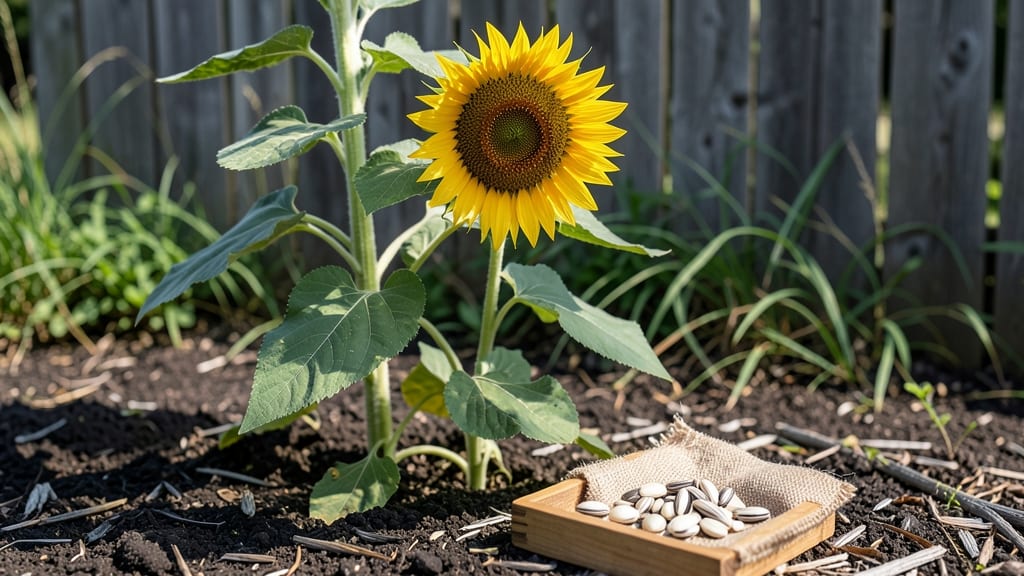
Planting sunflower seeds the right distance apart is the key to growing towering, sturdy 🌻 stalks that reach their full potential.
Imagine sinking your fingers into the soil, only to watch your sunflowers lean awkwardly or flop over because they were crowded too close. That’s a common mistake that robs you of the bold, sunlit blooms you’re dreaming of.
Whether you’re growing dwarf varieties for containers or giant sunflowers that tower over your fence, spacing makes all the difference. Too tight, and they’ll compete for nutrients; too wide, and you’ll waste precious garden space.
Below, I’ll break down the exact spacing you need for each sunflower type, plus tips for adjusting based on soil, sunlight, and even your local climate. Ready to grow sunflowers that steal the show?
Optimal sunflower seed spacing by variety: tall vs. dwarf vs. giant types
Sunflowers come in three dramatic sizes—dwarf, standard, and giant—each requiring different spacing to prevent overcrowding. Plant them too close, and your towering beauties will compete for sunlight and nutrients, leading to weak stems and small blooms.
But with the right spacing, you’ll maximize sunlight exposure, air circulation, and root growth for healthier, stronger sunflowers that reach their full potential.
Spacing isn’t just about height—it’s also about root systems. Dwarf varieties develop shallow roots, while giant sunflowers need deep soil to support their massive stems. Understanding these differences ensures your sunflowers grow upright and lodging-free (that’s gardener-speak for "falling over").
Let’s break down the science behind spacing for each type so you can plant with confidence.
Pro Tip: Always plant seeds 1 inch deep in loose, well-drained soil. This applies to all sunflower varieties—whether you’re growing 1-foot dwarfs or 12-foot giants. Once sprouted, spacing becomes the game-changer for their growth trajectory.
| Variety Type | Mature Height | Seed Spacing | Row Spacing | Notes |
|---|---|---|---|---|
| Dwarf (e.g., 'Teddy Bear', 'Moulin Rouge') | 1–3 ft | 6–12 inches apart | 12–18 inches between rows | Ideal for containers; shallow roots |
| Standard (e.g., 'Mammoth', 'Autumn Beauty') | 6–10 ft | 12–18 inches apart | 24–36 inches between rows | Classic choice; medium root depth |
| Giant (e.g., 'Russian Giant', 'Mammoth Russian') | 10–14 ft | 18–24 inches apart | 36–48 inches between rows | Needs deep soil; stake for wind |
| Semi-Dwarf (e.g., 'ProCut Hybrid') | 3–6 ft | 10–14 inches apart | 18–24 inches between rows | Great for cut flowers; compact roots |
For dwarf varieties, like 'Teddy Bear' or 'Moulin Rouge', you can get away with closer spacing—6–12 inches apart—because their shallow roots won’t compete aggressively for nutrients.
This makes them perfect for containers or small gardens, where space is limited. Just ensure they receive full sun (6+ hours daily) to prevent leggy growth.
When planting standard sunflowers, such as 'Mammoth' or 'Autumn Beauty', aim for 12–18 inches apart. These varieties strike a balance between height and root depth, so they need room to develop strong stems without shading each other.
Space rows 24–36 inches apart to allow airflow, which reduces the risk of powdery mildew—a common fungal issue in crowded sunflower patches.
Now, here’s where things get exciting: giant sunflowers like 'Russian Giant' or 'Mammoth Russian' require the most space—18–24 inches apart—because their massive stems need deep, fertile soil and plenty of elbow room.
These varieties can grow taller than a basketball hoop, so row spacing of 36–48 inches is critical. Without proper spacing, their heavy heads can cause stems to snap or lean, ruining your harvest.
If you’re growing sunflowers in windy climates, consider staking or trellising giant varieties to prevent lodging. Even with perfect spacing, high winds can topple these giants. For extra support, plant them near a fence or sturdy structure and tie stems loosely with soft twine as they grow.
One final tip: Thin seedlings as they grow to maintain proper spacing. If you planted seeds too close initially, gently remove weaker seedlings when they’re 2–3 inches tall, leaving only the strongest stems.
This might seem cruel, but it ensures your remaining sunflowers have the space to thrive and flourish.
With the right spacing,
How to adjust spacing for different sunflower growth conditions
Sunflowers thrive when given the right amount of space, but their needs change based on your local climate, soil quality, and sunlight exposure. In rich, well-draining soil with full sun, standard sunflowers need 12–24 inches apart to prevent competition.
However, in poor soil or high-altitude gardens, you’ll need to adjust spacing to avoid weak stems and lodging (falling over).
Your USDA hardiness zone also plays a role. In cooler zones (3–5), sunflowers grow slower, so tighter spacing (6–12 inches) helps them share nutrients. Meanwhile, in hot, windy climates (7–10), wider spacing (24–36 inches) gives stems room to strengthen against gusts.
Let’s break down how to fine-tune spacing for your unique growing conditions.
- 1
- 2
- 3
- 4
- 5
If your garden faces nutrient competition, like when planting sunflowers near heavy feeders like corn or tomatoes, widen spacing to 18–24 inches. Sunflowers are deep-rooted and can outcompete shallow-rooted plants, so give them breathing room.
In urban gardens with limited space, opt for dwarf varieties and space them 6–12 inches apart in raised beds.
Another key factor is lodging prevention. Tall sunflowers (6+ feet) in windy zones benefit from staking or caging at planting. If you notice stems leaning or bending, it’s a sign they’re overcrowded.
Thin seedlings to the recommended spacing within 2–3 weeks to avoid stress. For giant varieties like ‘Mammoth’, space seeds 36 inches apart and use support stakes early.
Remember, sunflowers are fast growers, so monitor their progress. If leaves start yellowing or stems thin out, it’s time to thin or transplant. With the right spacing adjustments, your sunflowers will stand tall, bold, and healthy—ready to brighten your garden all season long. 🌻