
Vegetables
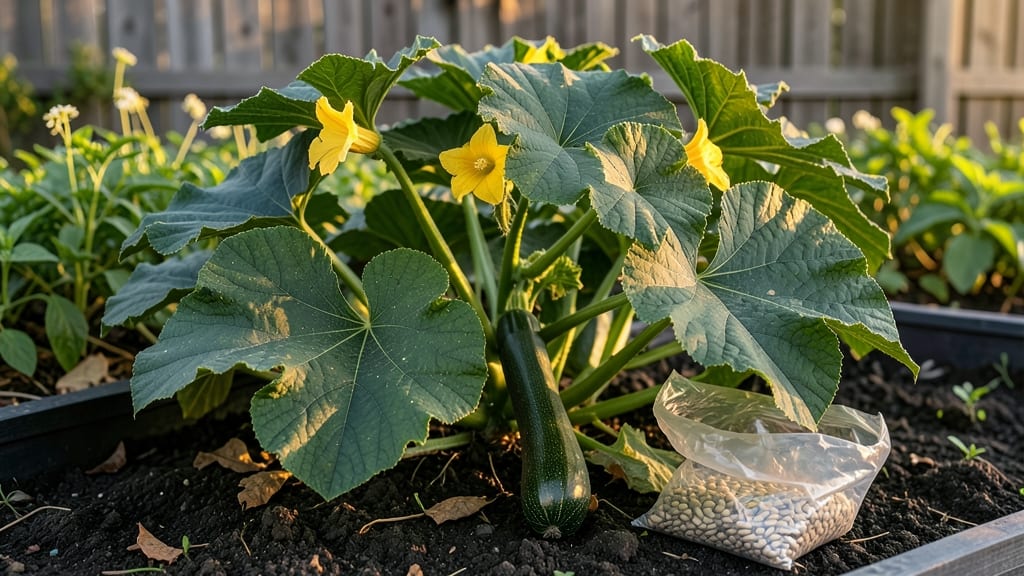
Harvesting zucchini seeds from mature fruits is the easiest way to save money and preserve heirloom varieties for next year’s garden 🎃.
Did you know that saving zucchini seeds from your garden can save you money—and help preserve heirloom varieties for future harvests? Harvesting them correctly ensures strong, viable seeds for next year’s plants.
Timing is everything—if you pick too early, the seeds won’t be fully mature, and if you wait too long, they may spoil or attract pests. The key is knowing when the fruit is ripe enough to yield the best seeds.
In this guide, I’ll walk you through the exact steps to select, extract, dry, and store zucchini seeds properly, plus troubleshoot common issues like mold or poor germination.
When to harvest zucchini seeds for maximum viability
Saving zucchini seeds is a rewarding way to preserve heirloom varieties and reduce next year’s garden expenses—but timing is everything. Harvesting too early means immature seeds that won’t germinate, while waiting too long risks overripe fruit and mold.
The key is identifying the perfect maturation window when seeds are fully developed yet still fresh.
Start by selecting healthy, disease-free zucchini from your strongest plants. Look for fruits that have overstayed their prime in the garden—typically 30-45 days past flowering—but haven’t yet turned mushy or developed rot.
These are your best candidates for seed saving, as they’ve had enough time for seed development while avoiding spoilage.
Here’s the critical visual checklist I use to identify ripe zucchini for seed harvesting:
| Stage | Key Characteristics | Action Required |
|---|---|---|
| Flowering | Male flowers appear first (no fruit), followed by female flowers with tiny zucchini buds | Mark plants for seed saving |
| Fruit Development | Zucchini grows 6-8" long, skin hardens, color deepens to glossy green | Harvest for eating when 6-8" |
| Seed Maturation |
|
Harvest immediately for seeds |
| Overripe Warning |
|
Discard—seeds won’t germinate |
The seed maturation stage is your target—typically 10-14 days after the zucchini reaches its edible peak size. At this point, the fruit should feel spongy when squeezed (like a ripe avocado) and the seeds inside will be dark, plump, and firm.
If you wait too long, the fruit may overripen and rot, while harvesting too early yields underdeveloped seeds that won’t sprout.
I recommend harvesting seeds from 3-5 different zucchini per variety to ensure genetic diversity. This reduces the risk of inbreeding depression in future generations.
Choose fruits that are disease-free—avoid any with powdery mildew, bacterial spots, or fruit rot, as these can contaminate your seeds and reduce germination rates.
One pro tip I’ve learned is to tag your plants when they first flower. This helps you track which fruits are 30-45 days old—the ideal window for seed maturation. You can use colored plant markers or even twist ties on the stems to mark the flowering date.
This simple step saves time during harvest season when you’re juggling multiple garden tasks.
Timing also depends on your local climate. In hotter regions, zucchini may mature faster (25-30 days post-flowering), while cooler climates often need the full 35-45 days.
Pay attention to how your plants perform each season and adjust your harvest window accordingly. For example, my Zone 6a garden typically yields ripe seed zucchini by mid-to-late August.
Finally, always harvest seeds on a dry, sunny day to prevent mold growth. Cut the zucchini from the vine using clean pruners or a knife, leaving a 1-inch stem attached. This helps preserve the fruit’s integrity during transport to your workspace.
Once home, I immediately rinse the seeds under cool water to remove any pulp residue—this is crucial for preventing fermentation and mold during the drying process.
By mastering these timing cues, you’ll consistently harvest high-quality zucchini seeds with 90%+ germination rates. The difference between viable seeds and wasted effort often comes down to these simple but critical observations in the garden.
Step-by-step guide to extracting and drying zucchini seeds
Once you’ve selected mature zucchini with fully developed seeds, the next step is extracting and drying them properly. Fresh seeds won’t germinate well, so drying is critical to prevent mold and pests.
This process ensures high germination rates for next year’s plants. Whether you’re saving seeds for heirloom varieties or just reducing waste, follow these steps carefully.
Start by cutting open the zucchini and scooping out the seeds and surrounding gelatinous pulp. This pulp contains enzymes that can inhibit germination if not removed. Rinse the seeds thoroughly under cool water to eliminate any remaining pulp and debris. Clean seeds are essential for successful drying and storage.
How to Extract and Dry Zucchini Seeds
-
Step 1: Scoop and Rinse
Cut open the zucchini and scoop out seeds and pulp. Rinse seeds under cool water to remove all pulp. -
Step 2: Ferment (Optional)
Place seeds in a jar with water, covering them by 1 inch. Let ferment for 2-3 days to remove weak seeds (they’ll float). -
Step 3: Dry Thoroughly
Spread seeds on a paper towel or mesh screen in a dry, shaded area for 3-5 days. Stir occasionally for even drying. -
Step 4: Test for Dryness
Seeds are ready when they’re hard and brittle. A fully dry seed will make a cracking sound when bent. -
Step 5: Store Properly
Place dried seeds in a paper envelope or airtight container. Label with the variety and date for future reference.
After rinsing, you can choose to ferment the seeds for 2-3 days to remove weak or non-viable ones. This step is optional but highly recommended for improved germination rates.
Simply place the seeds in a jar of water, ensuring they’re fully submerged. Weak seeds will float to the surface, making them easy to discard.
Once cleaned and fermented (if chosen), spread the seeds on a paper towel or mesh screen in a well-ventilated, dry area. Avoid direct sunlight, as it can overheat and damage the seeds.
Stir them occasionally to ensure even drying. Proper drying is key to preventing mold and pests during storage.
Test for dryness by gently bending a seed—if it snaps or cracks, it’s ready for storage. Store seeds in a cool, dark place like a sealed envelope or airtight container.
Label them with the variety name and harvest year to keep track of your seed collection. With proper care, these seeds can remain viable for 3-5 years!
If you notice any musty smells or mold during drying, discard those seeds immediately. Moisture is the enemy of seed viability, so act quickly to salvage the rest. With these steps, you’ll have a reliable supply of zucchini seeds for seasons to come. 🌱