
Vegetables
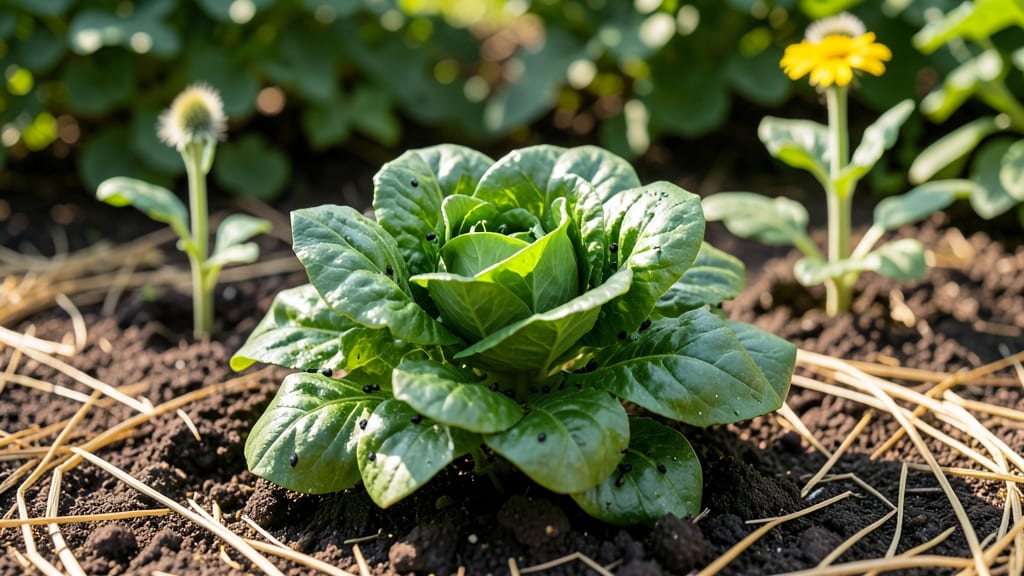
Understanding the Black Seed Lettuce stages 🥬 is the key to growing crisp, flavorful leaves instead of bitter, woody ones—because timing makes all the difference.
Picture this: your seedlings peek through the soil, then bolt into a rosette of tiny leaves, only to suddenly taste like cardboard if you wait too long. That’s the 35-day window where most gardeners trip up, and I’ve seen it happen more times than I can count.
In this guide, you’ll learn how to spot each growth phase by leaf shape, color, and size—no guesswork, just harvest-ready cues like 2-3 inch leaves with a dark green hue.
We’ll also cover what to do when your plants skip stages or bolt early, so you can keep the harvest coming all season.
By the end, you’ll know exactly when to snip for tender greens or let them mature for a full head, plus how to troubleshoot common pitfalls like stunted growth or premature bolting.
Black seed lettuce growth stages: week-by-week leaf development guide
Growing black seed lettuce from seed is a rewarding process that unfolds in distinct stages, each marked by unique leaf development. Understanding these milestones helps you anticipate care needs and recognize when your plants are ready for harvest.
Whether you're a beginner or seasoned gardener, this week-by-week guide provides the visual cues and care tips to nurture perfect lettuce leaves every time.
From the first germination to the formation of a mature rosette, black seed lettuce transforms dramatically. Each stage requires specific attention to watering, light exposure, and soil conditions to ensure healthy growth.
Let's explore the key characteristics of each growth phase so you can confidently track your plants' progress.
Below is a detailed summary of the growth stages, including leaf size, color, and shape milestones. This visual guide helps you identify each phase and adjust your care routine accordingly.
During the germination stage (weeks 0-1), your black seed lettuce will sprout tiny cotyledons that resemble miniature leaves. These seed leaves are your first sign of success, appearing within 5-10 days if conditions are ideal. Maintain consistent moisture and warmth to encourage strong sprouts, as dry soil can delay germination.
By week 2, you'll notice the emergence of true leaves, which are smaller and more delicate than the cotyledons. These leaves will gradually darken in color and develop a slightly wrinkled texture.
This is the perfect time to thin your seedlings to prevent overcrowding, ensuring each plant has enough space to develop a healthy rosette.
Between weeks 3-4, your lettuce will enter its active growth phase, where leaves grow rapidly. You'll see them reaching 3-4 inches in length, with smooth edges and a deeper green hue.
This is also when the outer leaves become harvestable, though you can wait longer for a full head. Monitor for pests like aphids, which thrive on tender young leaves.
As your plants approach maturity (weeks 4-6), the rosette will tighten, and leaves will reach their full size of 4-6 inches. The deep green color and crisp texture are key indicators of readiness.
At this stage, focus on harvesting outer leaves first to encourage continuous production, avoiding overwatering to prevent bolting or bitterness.
Recognizing these growth milestones
How to tell when black seed lettuce is ready to harvest: key cues
Harvesting black seed lettuce at the right moment means the difference between crisp, sweet leaves and bitter, tough greens. Most gardeners wait too long, but the secret is watching for three key visual cues: leaf size, color depth, and texture.
I’ve learned from years of trial-and-error that 2-3 inch leaves with a dark green hue are your perfect targets.
Start checking your plants around 35 days after sowing, which is the ideal harvest window for black seed lettuce. This variety thrives on partial shade and consistent moisture, so if your garden conditions are right, you’ll see rapid growth in the final weeks.
The moment the outer leaves reach 2-3 inches and feel crisp to the touch, they’re ready to pick.
🥬 Black Seed Lettuce Harvest Cues at a Glance
| Stage | Leaf Size | Color | Texture | Action |
|---|---|---|---|---|
| Early Growth | Under 1 inch | Light green | Soft | Wait |
| Prime Harvest | 2-3 inches | Dark green | Crisp | Harvest outer leaves |
| Over-Mature | 3+ inches | Dull green | Woody | Discard or compost |
💡 Pro Tip: Harvest outer leaves first to encourage continuous growth and extend your harvest by 2-3 weeks.
One common mistake I see is waiting until the leaves are too large—when they’ve grown past 3 inches, they start developing a bitter taste and tough texture. To avoid this, I recommend checking your plants every 2-3 days during the final week of growth.
Use your fingers to gently press a leaf; if it springs back crisply, it’s harvest-ready.
For continuous production, I’ve found that successive planting every 10-14 days keeps a steady supply of fresh lettuce. This works especially well in spring and fall when temperatures are mild. Just remember to space seeds 12 inches apart to give each plant room to grow without competing for nutrients.
If your black seed lettuce starts to bolt (sending up a tall flower stalk), it’s a sign you’ve waited too long. Bolting usually happens when plants experience heat stress or nutrient deficiencies.
To prevent this, I always mulch around the base to keep roots cool and fertilize lightly every 4-6 weeks with a balanced 5-10-10 blend.
Finally, store harvested leaves in a plastic bag with a paper towel to absorb moisture, and keep them in the crisper drawer of your fridge. This extends their freshness by 5-7 days, giving you time to enjoy your homegrown harvest before replanting.
With these cues, you’ll never miss the perfect moment to harvest again! ✂️