
Companion Plants
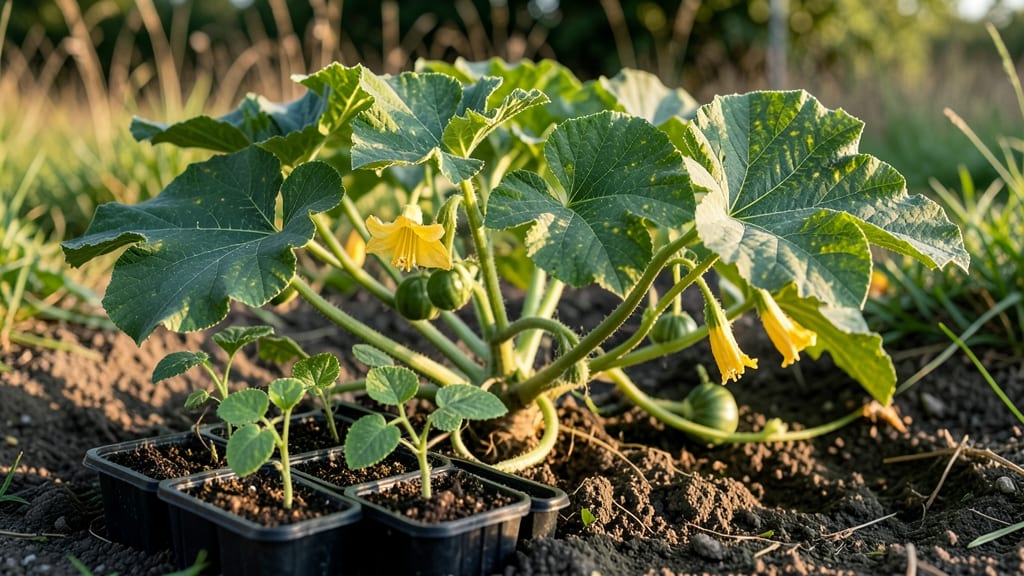
You can plant pumpkin seeds in October in the right climate and with the right variety, but timing and frost resistance are everything.
Picture this: crisp October mornings, the air carrying the scent of fallen leaves, and you’re wondering if your garden can still deliver a harvest. The truth is, some pumpkin varieties thrive when sown late, while others will freeze before they even sprout.
For USDA Zone 6a and warmer, October planting is a gamble worth taking—if you pick the right seeds and prepare the soil just right.
Most pumpkins need 90-120 days to mature, so planting in October means you’re racing against the first frost. The key is choosing fast-maturing varieties like 'Jack Be Little' or 'Small Sugar,' which can produce edible fruit in as few as 75 days.
Even then, you’ll need to protect seedlings with row covers or mulch to buy extra time.
In this guide, I’ll walk you through the best frost-tolerant varieties, soil prep tricks to keep roots warm, and how to stretch your growing season with simple strategies. By the end, you’ll know exactly whether October planting is right for your garden—or if you should wait until spring.
Best pumpkin varieties for fall planting in October
October planting is a gamble for most pumpkins, but a few frost-tolerant varieties can thrive with the right timing and care. These compact, fast-maturing pumpkins are your best bet for a late-season harvest or even a spring surprise.
The key is choosing varieties with short days to maturity (under 90 days) and cold-hardiness ratings that can handle light frosts.
If you're in USDA zones 5-8, you might get lucky with a miniature harvest before winter sets in. For zones 9-10, October planting could yield a spring harvest if you protect seedlings.
Always check your average first frost date—most pumpkins need at least 75 days of warm weather to mature.
Here’s my curated list of the top 5 frost-tolerant pumpkin varieties for October planting, ranked by cold resistance and harvest potential:
| Variety | Days to Maturity | Cold Hardiness | Size | Best For |
|---|---|---|---|---|
| Jack Be Little | 75-80 days | Tolerates light frost (28°F) | 3-5 lbs, 4-6" | Decorative, containers, early harvests |
| Small Sugar | 80-85 days | Tolerates 25°F with protection | 4-8 lbs, 6-8" | Pie pumpkins, small gardens |
| Waltham Butternut | 85-90 days | Tolerates 20°F with mulch | 3-5 lbs, 8-10" | Cooking, cold frames |
| Muskette | 80-85 days | Tolerates 22°F with row covers | 2-4 lbs, 4-6" | Decorative, fairy gardens |
| Cinderella | 90-95 days | Tolerates 25°F with protection | 5-8 lbs, 6-8" | Carving, late-season harvests |
The Jack Be Little and Small Sugar varieties are my top picks for October planting—they mature quickly and can handle brief cold snaps if you use row covers or black plastic mulch.
For a spring harvest, consider starting these indoors in late October and transplanting after the last frost. Always plant seeds in well-draining soil and keep them 1 inch deep for best germination.
If you're in a warmer climate (zones 9-10), you might even get a full-sized pumpkin by spring. Just be prepared to protect seedlings with cloches or cold frames during unexpected frosts.
The Waltham Butternut is particularly resilient—it can survive 20°F temperatures if mulched heavily, making it ideal for extended fall planting.
For decorative purposes, the Muskette and Cinderella varieties are stunning but slightly less cold-hardy. They still work in microclimates (like near south-facing walls) where temperatures stay milder. If
Step-by-step guide: planting pumpkin seeds in late fall
Planting pumpkin seeds in October can be a gamble, but with the right approach, you can extend your growing season for a small harvest or even overwintering success. The key lies in soil warmth, seed variety, and protective care to shield tender seedlings from early frosts.
If you're in a mild climate (USDA zones 8-10), October planting is feasible, while cooler zones may need extra precautions like row covers or containers.
Before you begin, check your last frost date and aim to plant 6-8 weeks before the first expected frost. For example, if frost arrives November 15, plant by September 15 to give seedlings time to mature.
Choose fast-maturing varieties like 'Jack Be Little' (75 days) or 'Small Sugar' (80 days) for better odds of success in cooler fall temperatures.
🌱 Step-by-Step: Planting Pumpkin Seeds in Late Fall
-
1. Test Soil Temperature
Use a soil thermometer to confirm soil is at least 60°F. Pumpkin seeds need warmth to germinate—colder soil (50°F) will delay sprouting for weeks. -
2. Prep the Planting Site
Loosen soil to 12 inches deep and mix in 2 inches of compost. Pumpkins thrive in loose, fertile soil with good drainage to prevent rot. -
3. Plant Seeds at Correct Depth
Sow seeds 1 inch deep in hills spaced 3-4 feet apart. Each hill should have 2-3 seeds for better germination rates. -
4. Mulch for Insulation
Apply 3-4 inches of straw mulch around seedlings to retain heat and protect roots from temperature swings. Avoid plastic mulch—it traps too much moisture. -
5. Water Gently
Water deeply every 2-3 days (1-2 gallons per plant) in the morning to reduce fungal risks. Avoid wetting leaves to prevent mildew. -
6. Protect from Frost
Use row covers or cloches on nights below 50°F. Remove covers during the day to allow sunlight for photosynthesis. -
7. Monitor Growth
Thin seedlings to 1-2 strongest plants per hill when they’re 3 inches tall. Watch for yellowing leaves—a sign of overwatering or cold stress.
After planting, keep a close eye on seedling emergence, which can take 7-14 days in cooler soil. If germination stalls, try a seedling heat mat to warm the soil slightly. Once seedlings appear, avoid disturbing the roots—pumpkins have sensitive taproots that can break easily.
For extended fall harvests, consider using black plastic mulch to absorb sunlight and warm the soil. This method can push your growing season by 2-3 weeks, giving you time for a second planting. Just remember to remove the mulch once plants are established to prevent overheating.
If frost threatens before your pumpkins mature, don’t panic! Harvest immature fruits (when 6 inches wide) and cure them indoors at 80°F and 80% humidity for 10 days. They’ll ripen further and store for months—perfect for winter soups or baking.