
Plants
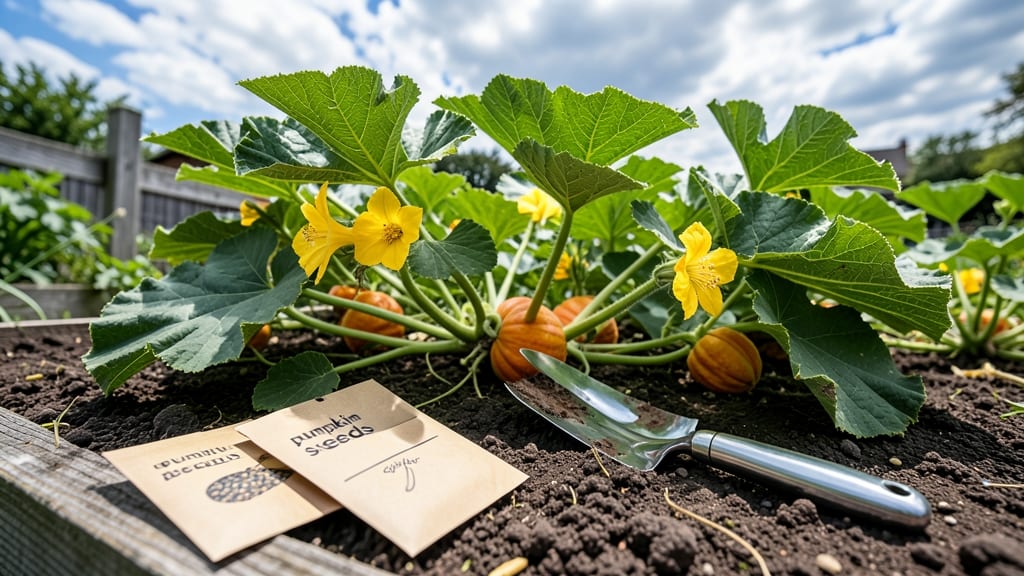
Planting pumpkin seeds in Utah demands precision—timing them right means the difference between lush vines and wilted disappointment.
Utah’s diverse microclimates—from high deserts to mountain valleys—can turn pumpkin planting into a guessing game if you don’t time it right. Plant too early, and frost will strike; too late, and your vines won’t mature before winter.
Here’s how to pinpoint the perfect window for your Utah zone, ensuring bountiful harvests of butternuts, jack-o’-lanterns, or heirloom varieties.
Most Utah gardeners should aim for mid-April to mid-June, once soil temperatures hit a steady 70°F+ and the last frost has passed. But elevation changes everything: St. George’s desert heat lets you start earlier, while mountain foothills may need a delayed approach.
Below, I break down the exact dates for your USDA zone, soil prep secrets to speed up germination, and how to adjust for Utah’s unpredictable springs—so you can grow pumpkins that thrive, not just survive.
Utah’s ideal pumpkin planting dates by USDA Zone and microclimate
Utah’s USDA Zones 5b-9a create a patchwork of planting opportunities, but timing is everything for pumpkin success. In Zone 5b (northern Utah), wait until mid-May after the last frost, while Zone 7b+ (southern Utah) can start as early as late March.
The key? Soil temperatures must reach 55°F+—cold soil stalls germination. Use a soil thermometer to confirm readiness, especially in high-elevation areas where nights stay chilly.
Microclimates add another layer. Urban heat islands (like Salt Lake City) warm up faster, allowing earlier planting, while mountain valleys (e.g., Park City) may need to wait until June 1. Even within 30 miles, frost dates can shift by 2+ weeks.
Check your local Almanac frost-free date and adjust by 1-2 weeks for safety, especially for longer-maturing varieties like ‘Mammoth Gold’.
Here’s your Utah pumpkin planting timeline, broken down by zone and microclimate, with soil warmth thresholds and frost-free benchmarks:
| USDA Zone | Microclimate | Planting Window | Soil Temp Threshold | Frost-Free Date | Best Varieties |
|---|---|---|---|---|---|
| 5b (e.g., Logan, Bear Lake) | Mountain valleys | Mid-May to early June | 60°F+ | May 15–June 1 | ‘Jack Be Little’, ‘Sugar Pie’ |
| 6a (e.g., Ogden, Provo) | Valley floors | Late April to mid-May | 55°F+ | April 20–May 10 | ‘Howden’, ‘Cinderella’ |
| 7a (e.g., Salt Lake City, Spanish Fork) | Urban heat islands | Late March to early April | 50°F+ (with row covers) | March 25–April 15 | ‘Autumn Gold’, ‘Small Sugar’ |
| 8a (e.g., St. George, Cedar City) | High desert | Late February to March | 65°F+ (daytime) | February 15–March 1 | ‘Mammoth Gold’, ‘Butternut’ |
| 9a (e.g., Washington, Hurricane) | Southern desert | January to February | 70°F+ | January 15–February 15 | ‘Jack-o’-Lantern’, ‘Giant Cabot’ |
For northern Utah gardeners in Zones 5b-6a, prioritize shorter-season varieties like ‘Jack Be Little’ (75-day maturity) to avoid early fall frosts. In Zone 7b+, you can push the envelope with longer vines like ‘Mammoth Gold’ (120 days), but monitor heat stress—Utah’s summer temps can exceed 100°F
How to adjust planting for Utah’s unique microclimates (desert vs. mountains)
Utah’s high-desert regions like St. George (Zone 7b) experience earlier springs and hotter summers compared to mountain foothills like Park City (Zone 5b). These differences mean your pumpkin planting dates should shift dramatically—sometimes by 4-6 weeks—to avoid frost damage or stunted growth.
For example, St. George gardeners can start seeds in early March, while those in Ogden (Zone 6a) should wait until mid-April.
In mountain valleys like Salt Lake City, late frosts are common even after Memorial Day, so I recommend using row covers or waiting until soil temperatures hit 60°F+ consistently.
Meanwhile, high-desert areas like Moab (Zone 7a) can plant 2-3 weeks earlier thanks to their longer frost-free seasons and warmer daytime temps.
Here’s a quick comparison of key adjustments for Utah’s three main microclimates:
Utah Microclimate Planting Adjustments
- ✅ Start seeds: Early March (soil 55°F+)
- ✅ Transplant: Late March (after last frost)
- ✅ Varieties: Heat-tolerant (e.g., 'Cinderella', 'Small Sugar')
- ✅ Pro Tip: Use shade cloth in peak summer
- ✅ Start seeds: Mid-April (soil 60°F+)
- ✅ Transplant: Late April (use row covers)
- ✅ Varieties: Medium-maturing (e.g., 'Jack Be Little', 'Howden')
- ✅ Pro Tip: Black plastic mulch warms soil faster
- ✅ Start seeds: Late April (soil 65°F+)
- ✅ Transplant: Early June (after last frost)
- ✅ Varieties: Cold-hardy (e.g., 'Autumn Gold', 'Waltham Butternut')
- ✅ Pro Tip: Greenhouse starts for earlier harvests
For mountain gardeners, I recommend transplanting seedlings instead of direct-sowing, since short growing seasons leave little room for error. Start seeds indoors in March under grow lights, then harden off and plant in early June.
In high-desert areas, prioritize drought-tolerant varieties like 'Cinderella' and focus on morning watering to prevent fungal issues from evening humidity.
If you’re in a transition zone (e.g., Provo or Spanish Fork), split your planting: sow half your seeds in early May and the other half in mid-June. This staggered approach extends your harvest window and reduces risk from unpredictable late frosts.
Always monitor your local Almanac frost dates—they’re your best guide for adjusting timing.
One trick I’ve used in late-start years is to plant fast-maturing varieties like 'Jack Be Little' (75-day harvest) alongside longer-season types. This way, even if your main crop struggles, you’ll still get a few pumpkins for carving or cooking.
Pair these with companion plants like bush beans or marigolds to improve soil health and deter pests.
Remember, Utah’s microclimates can shift dramatically over just a few miles. If you’re unsure about your specific zone, check the USDA Plant Hardiness Zone Map and add 5°F to your zone number for daytime highs in desert areas.
With these adjustments, you’ll turn Utah’s challenging climate into your pumpkin-growing advantage! 🎃