
Planting
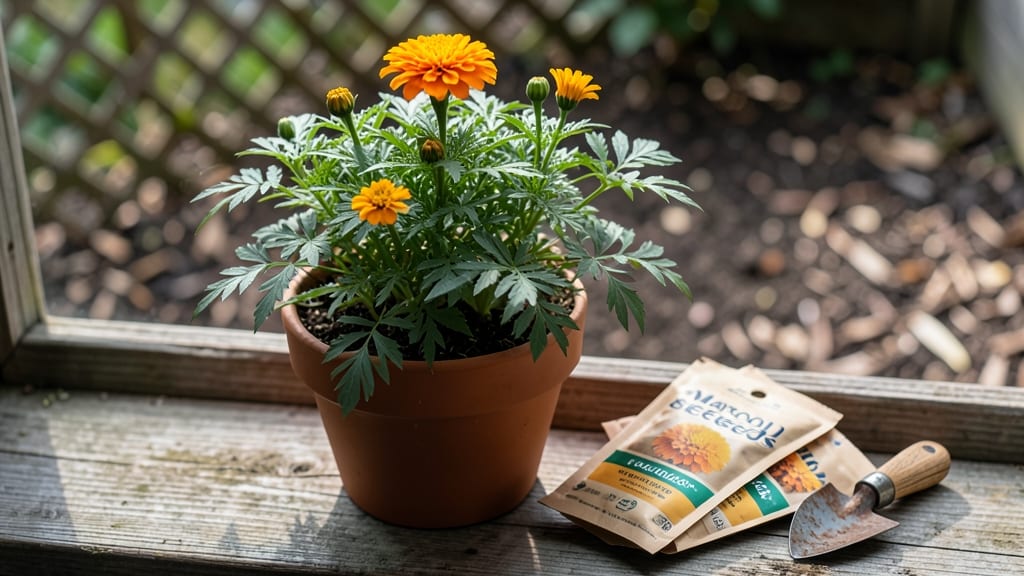
Planting marigold seeds at the right time means the difference between a garden bursting with vibrant 🌼 blooms and one that struggles to survive.
Marigolds aren’t just beautiful—they’re natural pest repellents that can transform your garden. But planting them at the wrong time means weak growth, poor blooms, or even death from frost. Here’s exactly when to plant marigold seeds for vibrant, thriving flowers all season long.
For USDA Zone 6a (and similar climates), the best window is after your last frost—typically April to May—when soil temperatures hit at least 60°F. Direct sowing outdoors works best, but if you start indoors, begin 6-8 weeks before transplanting.
Below, I’ll break down the ideal soil temps, frost-free deadlines, and zone-specific schedules—plus 5 common mistakes that ruin germination. Ready to grow marigolds that shine?
Optimal soil temperature & frost-free deadline for planting marigold seeds
Marigolds thrive when planted at the right time—too early and frost zaps their tender seedlings, too late and you miss peak blooming season. The key is understanding soil temperature and your frost-free date, which vary dramatically across USDA hardiness zones.
For marigolds, including French, African, and signet varieties, timing ensures robust growth and vibrant blooms from summer through fall.
Marigold seeds germinate best in soil that’s warmed to at least 60°F (15°C). Below this, germination slows dramatically or fails entirely. In cooler climates (zones 3-5), this means waiting until late spring after the last frost date.
Warmer zones (6-11) can start as early as March, but always check weekly frost predictions to avoid surprise freezes.
Your frost-free deadline is the critical cutoff for direct sowing marigold seeds outdoors. For example, in Zone 7a, this typically falls in mid-April, while Zone 10a gardeners can plant as early as February.
Use your local agricultural extension service or a frost calendar app to pinpoint your exact date—this varies yearly based on weather patterns.
Here’s the science: marigolds are warm-season annuals, meaning they prefer heat and can’t tolerate cold. Their seeds need consistent warmth to break dormancy, and seedlings are especially vulnerable to light frosts (below 32°F/0°C).
Even if the air warms up, cold soil will stunt their growth, leading to leggy, weak plants with few blooms.
All marigold varieties share similar temperature needs, but African marigolds (like 'Jingle Bells') tolerate slightly cooler soil better than French marigolds (such as 'Bonanza'). However, none thrive in soil below 55°F (13°C).
If you’re in doubt, use a soil thermometer to check—plant only when temps are stable above 60°F (15°C) for at least 5 days.
| Factor | Ideal Range | Notes |
|---|---|---|
| Soil Temperature | 60°F–90°F (15°C–32°C) | Germination stalls below 60°F; ideal for all varieties. |
| Frost-Free Window | After last frost + 2 weeks | Wait 2 weeks post-frost to ensure soil warmth. |
| USDA Zones 3–5 | Late May–June | Start indoors 6–8 weeks before last frost. |
| USDA Zones 6–8 | April–May | Direct sow after soil reaches 60°F; transplant seedlings. |
| USDA Zones 9–11 | February–March | Plant early; use shade cloth if temps exceed 90°F. |
| Seed Depth | ¼ inch (0.6 cm) | Shallow planting ensures quick germination in warm soil. |
| Spacing | 12–18 inches apart | Thinner spacing for dwarf varieties (e.g., 'Baby Sunburst'). |
If you’re unsure about your last frost date, err on the side of caution. Marigolds are forgiving once established, but seedlings won’t recover from frost damage. A simple trick?
Plant a test crop of radishes a few weeks before your expected frost date—they’ll tell you when the soil is safe for marigolds. Radishes germinate quickly and thrive in cooler soil, making them perfect indicators.
For extended blooms, consider a second planting in late summer (after your first frost date). This works especially well in zones 7–11, where fall temperatures stay mild. Just ensure the soil remains above 55°F (13°C)—even a light frost can kill tender seedlings.
Use row covers or a cold frame to protect late plantings if early fall temps dip unexpectedly.
Pro tip: If your soil warms up quickly but nights are still chilly, use black plastic mulch to raise soil temperatures by 5–10°F (3–6°C). This accelerates germination and gives your marigolds a head start.
Just remove the mulch once plants are established to prevent overheating. Pair this with drip irrigation to maintain consistent moisture—marigolds hate soggy soil but need steady water to thrive.
Remember, marigolds aren’t just about aesthetics—they’re natural pest deterrents. Planting them at the right time ensures they’ll repel nematodes, aphids, and even rabbits, giving your garden a
Zone-by-zone planting calendar: when to start seeds indoors vs. direct sowing outdoors
Marigolds thrive when planted at the right time, but their ideal schedule varies dramatically depending on your USDA hardiness zone.
In colder zones like 3-5, you’ll need to start seeds indoors 6-8 weeks before your last frost date, while warmer zones like 9-11 allow direct sowing year-round with minimal frost risk. Let’s break down the exact timing for each zone so you can maximize blooms from spring to fall.
For most gardeners, the key decision is whether to start marigold seeds indoors under grow lights or plant them directly outdoors after soil warms. French marigolds, for example, germinate best in 65-75°F soil, while African varieties tolerate slightly cooler conditions.
Below is your zone-specific guide to avoid stunted growth or frost damage.
| Zone | Start Indoors | Direct Sow Outdoors | Second Planting |
|---|---|---|---|
| 3-4 | March 15 | May 15 (after frost) | July 15 (late blooms) |
| 5-6 | April 1 | April 30 (soil 60°F+) | July 1 |
| 7-8 | March 1 | March 15 (or April 15) | June 15 |
| 9-10 | Not needed | February 15 (year-round) | August 15 (fall blooms) |
| 11 | Not needed | January 1 (anytime) | September 15 |
*Dates assume average frost-free windows; adjust 2-3 weeks based on local microclimates.
In zones 3-6, I recommend starting seeds indoors under grow lights to give them a head start. Use seedling trays with well-draining potting mix and keep soil consistently moist until germination (typically 7-14 days).
Once seedlings have 2-3 true leaves, harden them off for 7-10 days before transplanting outdoors after your last frost date.
For zones 7-11, direct sowing outdoors is often easier. Simply scatter seeds ¼ inch deep in full sun after soil reaches 60°F. In warmer zones, you can even plant marigolds in early spring or late summer for extended blooms.
Just remember: African marigolds take slightly longer to germinate (up to 21 days) than French varieties.
Pro tip: In zones 5-8, a second planting in July gives you late-season color. Choose heat-tolerant varieties like 'Jingle Bells' or 'Tangerine' for better success in summer heat. Just be sure to space them 12 inches apart to prevent overcrowding, which leads to leggy, weak stems.
Finally, always check your local frost-free date—it’s the golden rule for marigold planting. Even a light frost can kill young seedlings, so when in doubt, wait until soil is consistently above 55°F for at least a week.
With the right timing, your marigolds will reward you with bold blooms from early summer to frost!