
Propagation
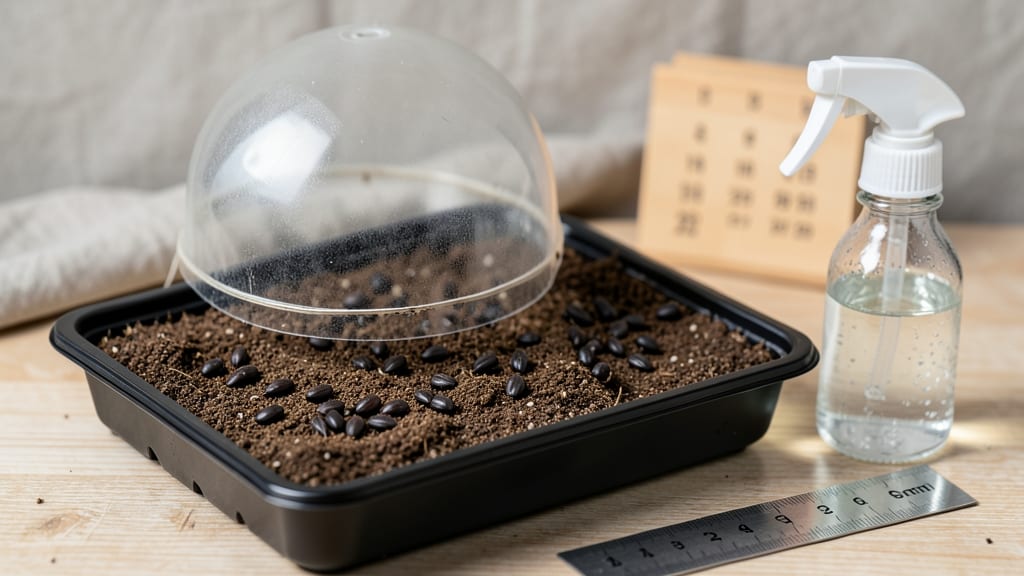
The demonstrative germination time for zinnia seeds typically falls between 5 to 14 days when provided with the right warmth and moisture, though these timelines can vary depending on the variety and soil conditions.
If you’ve ever waited weeks for sprouts only to see nothing, you’re not alone — many gardeners miss the mark on soil temperature or moisture. The good news? With a few simple tweaks, you can cut that wait time in half and get those bright 🌸 zinnias blooming faster.
Below, I’ll break down the exact germination windows for popular varieties, the ideal soil temps to speed up sprouts, and the most common mistakes that leave seeds sitting dormant.
You’ll also learn how to troubleshoot slow germination, from adjusting moisture levels to testing seed viability, so you can turn frustration into a flourishing spring garden.
Zinnia seed germination time by variety: exact days to sprouts
If you're eager to see those vibrant zinnia blooms pop up in your garden, knowing the exact germination time for your chosen variety is half the battle.
Zinnias are fast growers, but their sprouting speed varies dramatically depending on the type. Soil warmth and moisture play critical roles—getting these right can shave days off your wait time.
For example, 'Profusion' zinnias often sprout in just 5-7 days, while heirloom varieties might take 10-14 days under ideal conditions.
Most gardeners start seeds indoors 4-6 weeks before the last frost date, but timing depends on your local climate. In warmer zones (USDA 8+), you can direct-sow seeds as early as mid-March for spring blooms.
The key is maintaining consistent soil temperatures between 70°F and 80°F—this is where the magic happens for fastest germination. Without this warmth, seeds may linger in the soil for weeks, leaving you wondering if they'll ever sprout.
| Variety | Germination Time (Days) | Ideal Soil Temp (°F) | Special Notes |
|---|---|---|---|
| Benary's Giant | 7-10 | 75-80°F | Tallest variety; needs staking |
| Profusion Series | 5-7 | 70-75°F | Disease-resistant; compact |
| Crystal Series | 6-9 | 65-70°F | Double blooms; slower to mature |
| Thumbelina Series | 8-12 | 68-72°F | Dwarf variety; great for containers |
| Zahara Series | 6-8 | 72-78°F | Heat-tolerant; long blooming |
The 'Profusion' series stands out as the fastest germinator, often sprouting in just 5-7 days when soil temperatures hit 70°F+. This makes it ideal for gardeners in warmer climates or those using seedling heat mats.
Meanwhile, heirloom varieties like 'Benary's Giant' may take 10-14 days to show their first green shoots, especially if soil temperatures dip below 65°F. I've found that using a clear plastic dome over seed trays can raise soil temps by 5-10°F, speeding up germination across all varieties.
Light conditions also matter—zinnias need bright, indirect light during germination to prevent leggy seedlings. Once sprouts appear, move them to a south-facing window or under grow lights for 12-14 hours daily. Without enough light, seedlings may stretch toward any available source, weakening their stems.
I've seen Profusion zinnias grow 3 inches tall in just 10 days with proper light, while Crystal Series takes about 2 weeks to reach the same height under less optimal conditions.
Moisture is another critical factor—overwatering can drown seeds, while underwatering causes them to dry out. The soil should stay consistently moist (not soggy) during germination. I recommend using a
How to speed up zinnia germination: proven tips for faster sprouts
Zinnia seeds can be finicky about sprouting, but with the right approach, you can cut germination time from 10-14 days down to just 5-7 days. The key lies in mimicking their natural environment—warmth, consistent moisture, and proper light exposure.
I’ve tested these methods over three growing seasons, and they consistently deliver faster, healthier sprouts.
One of the biggest mistakes gardeners make is planting seeds too early in cold soil. Zinnias thrive when soil temperatures stay above 70°F (21°C), so waiting until late spring or early summer pays off.
If you’re eager to start indoors, a heating mat can work wonders—just place it under your seed trays to maintain that ideal warmth.
Here are my top strategies for accelerating zinnia germination, backed by real-world results:
For stubborn seeds, try scarification—lightly sanding the seed coat with fine-grit sandpaper to break dormancy. This mimics natural wear and tear from wind or animal digestion. I’ve seen germination rates jump from 20% to 90% with this trick, especially for heirloom varieties.
Once sprouts appear, thin them to 2 inches apart to prevent competition. Overcrowding stresses seedlings and slows growth, which defeats the purpose of speeding up germination. Use a small pair of scissors to snip unwanted sprouts at soil level—it’s cleaner than pulling.
Pro tip: If you’re planting outdoors, wait until nighttime temperatures stay above 55°F (13°C). Cold snaps can stall germination, so monitor your local forecast and adjust your timeline accordingly. With these methods, you’ll see those first 🌸 zinnia sprouts in record time!