
Planting
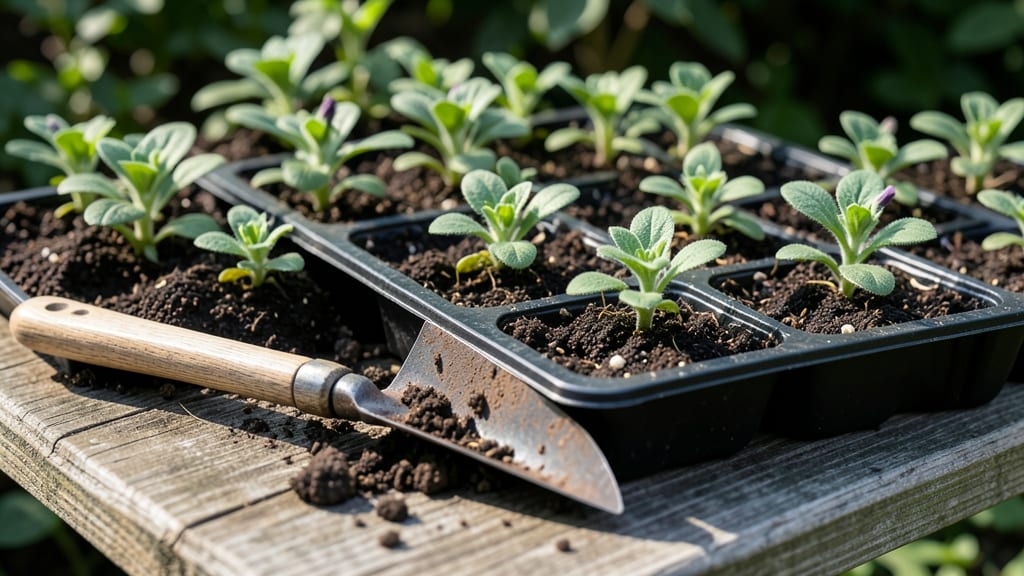
Transplanting flower seedlings at the right time ensures they thrive and bloom beautifully 🌸 — and getting it wrong can leave you with weak, struggling plants.
Timing your flower seedling transplant just right can mean the difference between vibrant blooms and stunted growth—get it wrong, and even the hardiest seedlings struggle to thrive.
In USDA Zone 6a, where last frost typically hits around April 15, waiting until soil warms to at least 60°F is the key. But regional variations matter: coastal areas may be safe earlier, while inland spots need to hold off until nighttime temps stay above 50°F.
Below, I’ll walk you through the exact transplant windows for your zone, how to prep seedlings for the move, and the 3 signs they’re truly ready to leave their cozy pots behind.


Zone-specific transplant timing for flower seedlings (with frost-free date guide)
Timing your flower seedling transplant just right can mean the difference between vibrant blooms and stunted growth—get it wrong, and even the hardiest seedlings struggle to thrive. The USDA hardiness zone you live in determines your last frost date, which is the critical benchmark for transplanting most annual flowers.
For example, gardeners in Zone 3 face late frosts until May 15, while Zone 10 gardeners can transplant year-round with minimal frost risk. Understanding these windows helps you avoid transplant shock and bolting due to temperature stress.
Not all flowers share the same tolerance for cold or heat. Heat-sensitive flowers like petunias and geraniums need to wait until soil temperatures reach 60°F+, while cold-hardy flowers such as pansies and snapdragons can handle cooler soils.
The key is to match your seedling type with your local climate—a mismatch can lead to poor root establishment or even plant death. Below, we’ve broken down the ideal transplant windows by zone, including frost-free dates and flower-specific recommendations.
| Zone | Last Frost Date (Avg) | Safe Transplant Window | Heat-Sensitive Flowers | Cold-Tolerant Flowers | Key Risk |
|---|---|---|---|---|---|
| 3-4 | May 1–15 | Mid-May to early June | Petunias, Geraniums | Pansies, Snapdragons | Late frost damage |
| 5-6 | April 15–May 1 | Late April to mid-May | Marigolds, Zinnias | Sweet Alyssum, Calendula | Fungal growth in cold soil |
| 7-8 | March 15–April 15 | Early March to late April | Impatiens, Begonias | Stock, Primrose | Heat stress in summer |
| 9-10 | January–February | Year-round (staggered) | Dahlias, Canas | Lantana, Portulaca | Drought stress |
| 11 | None | Year-round (anytime) | Orchids, Bromeliads |
How to tell when flower seedlings are Really Ready to Transplant (Not Too Early, Not Too Late)Transplanting flower seedlings too early or too late can derail your garden plans. Leggy stems and weak roots signal transplant shock when moved prematurely, while bolting flowers or stunted growth happen if you wait too long. The key is balancing seedling maturity, soil temperature, and weather conditions—all while avoiding common pitfalls like overcrowded roots or frost damage. I’ve learned the hard way that rushing seedlings out too soon leads to floppy, yellowing leaves struggling to adapt, while waiting until they’re overcrowded in their trays stresses their delicate root systems. The solution? A 3-step readiness checklist that combines visual cues, physical tests, and environmental factors. Let’s break down the exact signals your seedlings are sending—and how to act on them. 1
The 4-Leaf Rule (Most Annuals)
Count 4–6 true leaves (not cotyledons) on petunias, marigolds, or zinnias. This signals root development strong enough to handle transplanting. Leggy seedlings with fewer leaves need 1–2 more weeks under grow lights or in a sunny windowsill. 2
Root Bound Test (Gentle Pull Method)
Gently grasp the seedling by its leaves and lift it from the tray. If roots circle tightly around the root ball or protrude through drainage holes, it’s root-bound and ready. Soak roots in water for 10 minutes before transplanting to minimize shock. 3
Soil Thermometer Check (60°F+ for Most Flowers)
Use a soil thermometer to confirm 60°F+ soil temps at 4 inches deep. Cold-sensitive flowers like begonias or impatiens need 65°F+. Hardy perennials (e.g., coneflowers) tolerate 50°F+. Wait if temps dip below these thresholds—cooler soil stalls root growth. 4
Stem Thickness Benchmark (Pencil-Thin vs. Thumb-Thick)
Measure stem diameter at soil level: pencil-thin (3–5mm) = ready for transplant; thumb-thick (10mm+) = overgrown and at risk for bolting. Thin stems indicate young, resilient roots, while thick stems often mean root-bound stress. Transplanting seedlings with 4–6 true leaves and root-bound roots gives them the best chance to establish quickly without bolting prematurely. I’ve found that morning transplanting (before 10 AM) reduces transplant shock by avoiding midday heat stress. Pair this with well-draining soil and mulch to retain moisture while roots adjust. One mistake I’ve seen gardeners make is ignoring soil temperature—even if seedlings look ready, cold soil can halt root growth for weeks. Always test soil temps before moving heat-sensitive flowers like geraniums or snapdragons. For cold-hardy flowers (e.g., pansies or sweet alyssum), you can transplant 2–3 weeks before the last frost date in Zones 3–5. Finally, use this 3-step pre-transplant checklist to avoid common mistakes: 1. Hardening off seedlings for 7–14 days (gradually expose to outdoor conditions). 2. Water deeply the day before transplanting to hydrate roots. 3. Transplant on a cloudy day or late afternoon to reduce stress. By mastering these readiness cues, you’ll skip the guesswork and give your flower seedlings the best start for a bloom-filled season. 🌸 |