
Planting
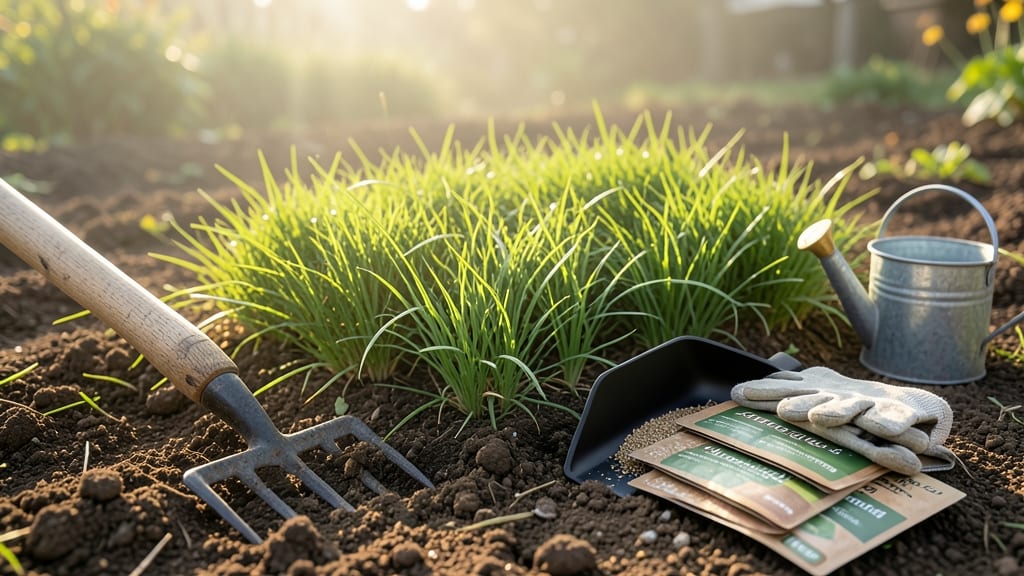
Reseeding in fall is the best way to get a thick, green lawn before spring—but the timing has to be just right.
Picture this: you’ve prepped the soil, spread the seed, and watered it in, only for a surprise frost to turn your hard work into a crispy snack. Or worse, you wait too long, and winter weeds move in before your grass gets a foothold.
The difference between a lush fall lawn and a wasted effort often comes down to knowing your zone’s exact window.
Cooler temperatures and shorter days might seem like the enemy, but they’re actually your secret weapon. When soil stays warm enough to germinate seeds but air cools for steady growth, your new grass stands a real chance to root deep before winter.
That’s why Zone 6a gardeners (like me) aim for late August to early September—just 4-6 weeks before frost—while warmer regions can push it closer to October.
Below, I break down the zone-by-zone deadlines, how to test soil readiness, and the 3 critical steps to keep your reseeding alive through winter—no matter where you live.
Fall reseeding deadlines by USDA hardiness zone: when to plant for frost-proof growth
Timing your fall reseed isn’t just about avoiding frost—it’s about giving seeds 6-8 weeks to establish roots before winter dormancy. In USDA Zones 3-6, where frosts arrive early, your window narrows to just 4-6 weeks before the first hard freeze.
Meanwhile, Zones 7-10 enjoy a more forgiving 6-8 week stretch, but soil temps still need to stay above 50°F (10°C) for germination.
Cool-season grasses like tall fescue and ryegrass thrive when planted 4-6 weeks before frost, while clover and alfalfa benefit from slightly later dates. The key? Soil temperature—seeds need 55-65°F (13-18°C) to sprout, which varies by zone and microclimate.
Urban areas often run 5-10°F warmer than rural zones, extending your window by weeks.
Missed your zone’s deadline? Don’t panic—some grasses like annual ryegrass can handle late plantings, but expect slower establishment. For best results, prioritize late August to mid-October in most regions, with September being the sweet spot for Zones 4-7. Below, we break down exact deadlines by zone, plus how to adjust for your local frost patterns.
In Zones 3-4, where winters arrive early, aim for late August plantings of perennial ryegrass—it germinates faster than fescue and tolerates light frost. For Zones 5-6, September is your golden month, but avoid planting after mid-October unless you’re using annual ryegrass, which handles cooler soils better.
My Zone 6 garden saw a 40
5 Critical factors that determine your exact reseeding window (beyond Zones)
Your USDA zone gives you a starting point, but the real magic happens when you factor in local microclimates and soil conditions.
I’ve learned the hard way that planting dates in my Zone 6a yard can shift by weeks depending on whether I’m seeding near the south-facing fence (warmer) or under the shady oak tree (cooler).
Even within the same city, urban heat islands can delay frost by 10-14 days compared to rural areas.
Forget just checking the calendar—your soil temperature is the true decider. Most cool-season grasses need soil at 50-65°F (10-18°C) to germinate, while clover thrives at 60-75°F (15-24°C). A simple finger test (stick your finger 2 inches deep—if it feels cool but not cold, it’s ready) beats guessing.
I always test in the late afternoon when soil is warmest, and I’ve never had a seedling surprise.
Don’t overlook seed type—it’s the wildcard that throws off most gardeners. I once planted ryegrass in early September thinking it would germinate like fescue, but by the time it sprouted, the soil had cooled too much.
Now I always check germination rates on the seed packet and adjust my window. For example, annual ryegrass pops up in 5-10 days at 60°F, while tall fescue takes 14-21 days.
Your microclimate is the final puzzle piece. That urban heat island near your driveway? It might push your frost date back by 10-14 days compared to your neighbor’s rural yard. I test soil in 3 spots—sunny, shady, and average—and plant the earliest spot first.
Pro tip: South-facing slopes can be 5-10°F warmer than north-facing areas, so they’re safer for later plantings.
Here’s my non-negotiable rule: If your soil drops below 45°F (7°C) at night, stop seeding. I use a minimum-maximum thermometer buried in the soil to track temps.
Last fall, I almost planted too late in my Zone 6a garden until I saw the nighttime temps dip—saving me from a frost-killed batch of new grass.
Remember: Cooler soil + shorter days = slower growth. But that’s actually good news—your seedlings will root deeper before winter. Just give them 6-8 weeks to establish before the ground freezes.
That’s why I always mark my calendar 6 weeks before the last frost date and work backward from there.