
How To
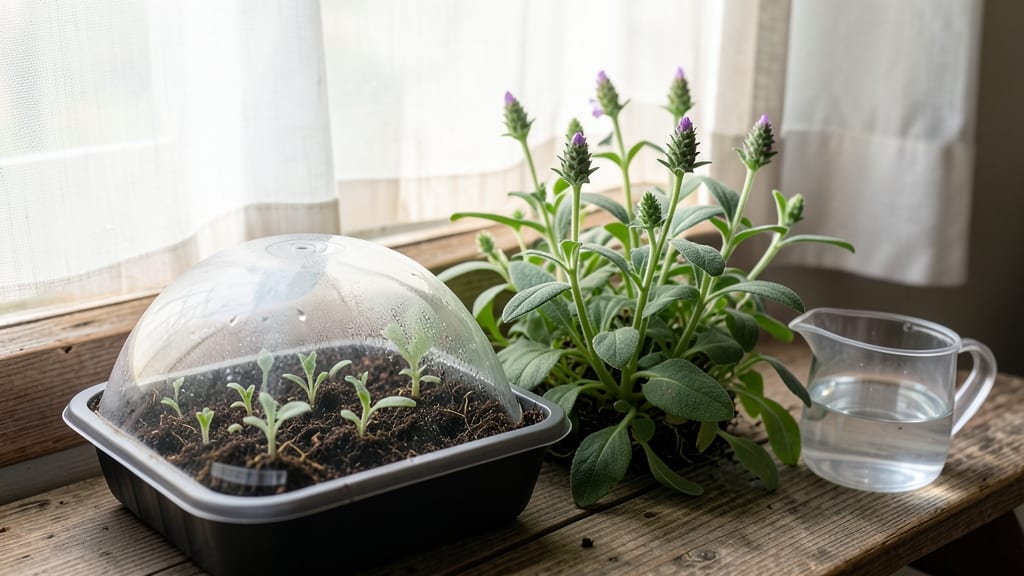
To start snapdragon seeds indoors for the tallest, most vibrant blooms 🌸, aim for an 8-week countdown before your last frost date—this ensures they reach their full height by peak flowering season.
Timing your snapdragon seeds indoors could mean the difference between short, stunted blooms and towering spikes of vibrant color—if you start too early or late, you’ll miss peak flowering season entirely.
For gardeners in USDA Zone 6a (like me), that means kicking off seeds in early February, giving them a head start before the April 15 frost arrives. Too soon, and they’ll get leggy; too late, and they won’t mature in time.
Below, I’ll break down the exact 8-week window, how to adjust for your zone, and the simple indoor setup that keeps them thriving until transplant time.
Snapdragon seed starting timeline: 8-Week countdown to frost-free blooms
Timing your snapdragon seeds indoors is all about working backward from your last frost date to ensure those towering 3-4 foot spikes reach their full potential by peak bloom season.
In colder USDA zones 3-5, where frost lingers late, you’ll need to start seeds as early as January 15th, while gardeners in zones 8-10 can wait until February 28th—but only if you’re planting in late winter or early spring.
The key is giving your snapdragons 8-10 weeks indoors before transplanting, plus an extra 2-3 weeks to establish roots outdoors before summer heat arrives.
Why does this matter? Snapdragons are cool-season plants that thrive when days are still short, and starting too late means they’ll bolt or produce weak stems. Conversely, starting too early leads to overcrowded seedlings and leggy, spindly growth from stretching toward insufficient light.
The 8-week rule balances these risks, ensuring your plants hit 12-18 inches tall at transplant time—the ideal height for sturdy stems and maximum bloom production.
The USDA zone you live in dictates your exact start date, but even within a zone, microclimates matter.
For example, a zone 6 gardener in Denver (5,280 ft elevation) should start seeds by February 1st due to later frosts, while one in Chicago (zone 5) can wait until February 15th.
Below, I’ve broken down the optimal start windows for each zone, plus how to adjust for early vs. late varieties.
For early varieties (like 'Pocket Rocket' or 'Matrix'), which mature in 60-65 days, you can push your start date 2 weeks later than the table suggests. These compact varieties are perfect for container gardening and tolerate slightly warmer transplant conditions.
Meanwhile, tall varieties (such as 'Black Prince' or 'Apache') need the full 8-10 weeks to reach their 3-4 foot height, so stick to the earlier start dates.
Pro tip: Use a seedling heat mat ($20-$30) to speed up germination in cold zones. Snapdragon seeds germinate best at 70-75°F, and a heat mat can shave 3-5 days off your timeline.
Pair it with a grow light (or south-facing window) to prevent leggy seedlings—14-16 hours of light daily is non-negotiable for sturdy stems. Without enough light, your snapdragons will stretch toward the window, weakening their structure and reducing bloom quality.
Transplanting too early is a common mistake, especially in zones 4-6. Even if nighttime temps are above freezing, soil temperatures matter more—aim for 50°F+ before moving seedlings outdoors. Harden them off for 7-10 days by placing them in a sheltered spot for 2-4 hours daily, gradually increasing exposure.
This acclimation period prevents transplant shock, which can stall growth for 2-3 weeks.
In zones 9-10, where winters are mild, you can actually start a second batch of seeds in late summer (August-September) for fall blooms. These late-season plants will flower just as summer varieties fade, extending your colorful display through October.
Use shade cloth in peak afternoon sun to protect them from heat stress
How to calculate your exact snapdragon seed starting date
Getting your snapdragon seeds started at the perfect time ensures tall, vibrant blooms that last all summer. The key is balancing your local frost dates with each variety's days-to-maturity.
Most snapdragons need 75-90 days from seed to bloom, but starting too early leads to leggy seedlings, while starting too late means missed flowering seasons. Let’s break down the exact math so you can create a foolproof schedule tailored to your zone.
First, find your average last frost date for your area (check the USDA Plant Hardiness Zone Map or your local cooperative extension office). For example, in Zone 6a, the last frost typically falls around April 15.
Then, subtract the days-to-maturity for your chosen snapdragon variety—most standard types take 75 days—and add 2-3 weeks for hardening off and transplanting. This gives you your ideal indoor seed-starting window.
For example, if you’re in Zone 8b with a last frost date of March 1 and growing a 75-day variety, your ideal start date would be December 28.
However, if you’re in Zone 4a with a last frost date of May 15, aim for March 1 to avoid overcrowded seedlings. Pro tip: Use a seed-starting journal to track your progress and adjust future years based on real results.
Once you’ve nailed down your start date, set up your seedling trays with a light, well-draining mix and keep them in a warm spot (around 70°F). Snapdragon seeds typically germinate in 7-14 days, so be patient and maintain consistent moisture.
After germination, provide 12-16 hours of light daily to prevent weak, leggy seedlings. This careful timing and setup will give you healthy, robust snapdragons ready to transplant outdoors when the risk of frost has passed.
Don’t forget to account for second plantings if you want continuous blooms. For instance, if your first batch blooms in early summer, start a second round 6-8 weeks later to extend your display until fall. With this method, you’ll enjoy towering snapdragons from spring to frost—no guesswork required!