
How To
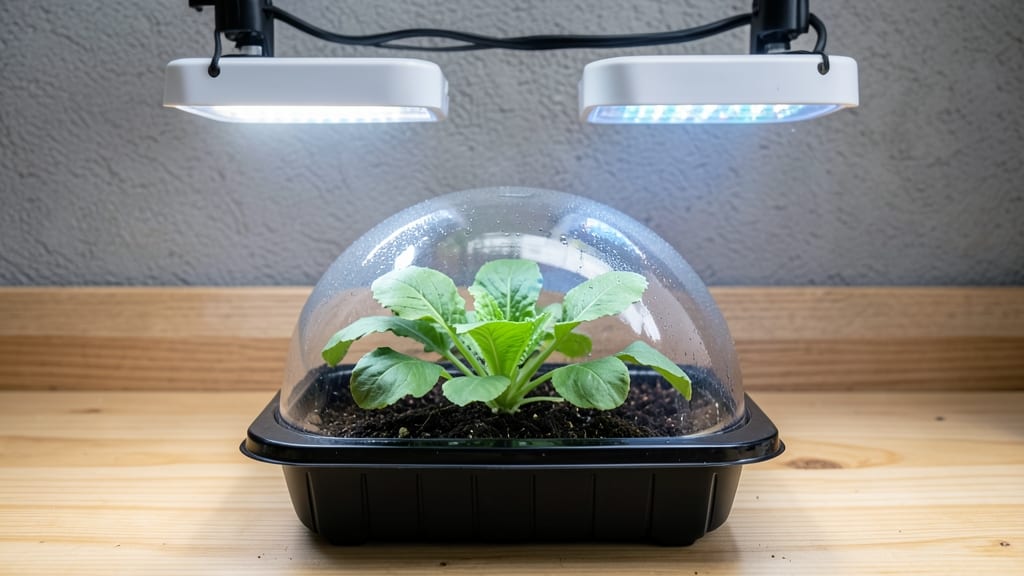
Starting seeds indoors at the right time ensures strong, healthy seedlings ready for transplant when the weather warms up—here’s how to nail the 6-8 week countdown before your last frost.
Timing your seed-starting indoors can mean the difference between a thriving garden and a season of disappointment—especially when frost threatens your hard work. Miss the window, and you’ll either have leggy seedlings that struggle outdoors or plants that bolt before you can harvest.
Most gardeners follow the 8-week rule: count back from your average last frost date (May 15 in USDA Zone 6a) to determine when to start warm-season crops like tomatoes or peppers. Cool-season plants like lettuce or spinach can go in earlier, sometimes just 4-6 weeks before frost.
Below, I’ll walk you through how to calculate your perfect start date, which plants need the head start, and how to adjust for early or late varieties—plus the tools that make it foolproof.
The 8-Week countdown rule for indoor seed starting
Getting your indoor seed starting timing right ensures your seedlings are ready to transplant just as the last frost date passes. The 8-week countdown rule is my go-to method for calculating the perfect start date—it accounts for plant maturity and regional climate zones.
But how do you apply it? Let’s break it down.
First, find your average last frost date using the USDA Plant Hardiness Zone Map. For example, in Zone 6a, the last frost typically falls around May 15.
Count backward 8 weeks (56 days) to determine when to start seeds like tomatoes or peppers. This ensures they mature before frost threatens them.
But wait—some plants, like basil or cucumbers, prefer warmer soil and can’t handle cold. For these, you might need to adjust your timeline to 6 weeks before transplanting. Always check the seed packet for specific recommendations.
Here’s the key formula I use: Last Frost Date – Days to Maturity – 2-4 Weeks Hardening Off = Start Date. For tomatoes (90 days to maturity), subtract 114 days from your last frost date.
| Plant | Days to Maturity | Start Indoors (Zone 6a) | Notes |
|---|---|---|---|
| Tomatoes | 60-90 days | March 1 - March 15 | Needs warmth; avoid cold drafts. |
| Peppers | 70-85 days | February 20 - March 5 | Slow starters; keep soil warm. |
| Basil | 30-45 days | April 15 - May 1 | Heat-loving; transplant after last frost. |
| Lettuce | 30-50 days | March 1 - April 15 | Cool-season crop; can direct sow. |
| Herbs (Parsley, Cilantro) | 45-60 days | February 15 - March 10 | Biennial; may bolt in heat. |
If you’re in a warmer climate (Zone 8a+), adjust your timeline 2-4 weeks earlier. For example, in Zone 8a, your last frost might be March 15, so start tomatoes in January. Always double-check local frost data—microclimates can shift dates by weeks.
Pro tip: Use a seed-starting calculator like the one from Johnny’s Selected Seeds to automate this process. Input your last frost date and plant type, and it’ll generate your start window instantly. No guesswork!
For cool-season crops like broccoli or kale, you can start seeds 6-8 weeks before your first frost date for a fall harvest. These plants thrive in cooler temps and can even tolerate light frosts.
Finally, don’t forget to harden off seedlings for 7-10 days before transplanting. Gradually expose them to outdoor conditions to avoid shock. This step is non-negotiable—skipping it can stress plants and stunt growth.
With this 8-week countdown rule, you’ll never again rush to get seedlings ready or risk losing them to frost. Happy planting! 🌱
Best plants to start indoors vs. direct sowing outdoors
Not all plants benefit from indoor starts—some thrive when sown directly outdoors, while others need that head start under controlled conditions. Tomatoes, peppers, and broccoli are classic examples of crops that grow stronger with indoor starts, but radishes, beans, and carrots prefer being planted directly in the garden.
The key difference? Germination temperatures and growth speed play huge roles in this decision.
Indoor starts give delicate plants time to develop strong roots and sturdy stems before facing outdoor challenges like frost or pests. However, direct sowing works best for fast-growing, cold-tolerant plants that don’t need extra time to mature.
Let’s break down the best options for each method so you can plan your garden like a pro.