
Planting
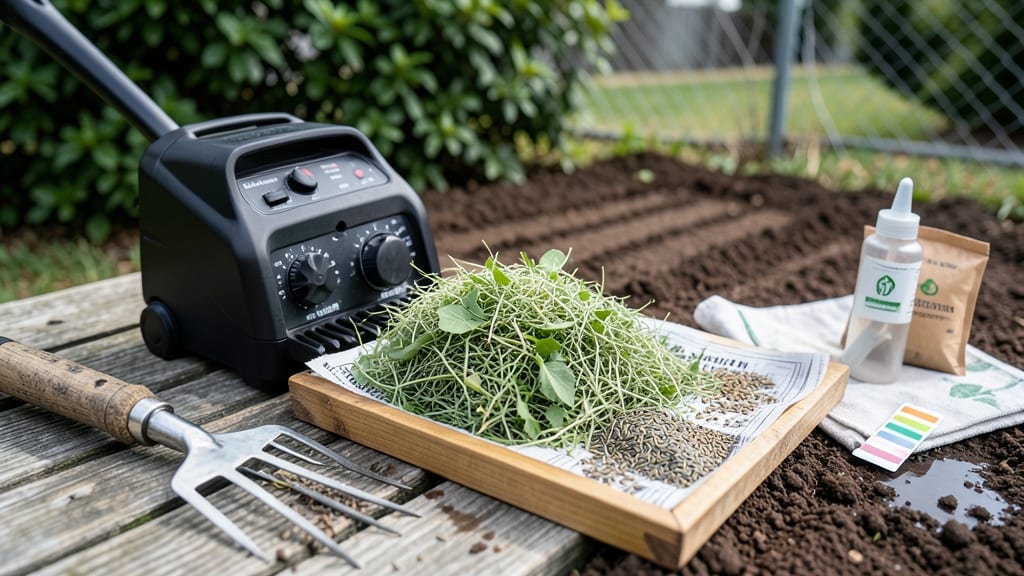
Planting grass seed in Illinois at the right time means the difference between a thick, green lawn and a thin, patchy mess—especially with the state’s unpredictable spring frosts and summer heat.
Timing matters more than you might think. One wrong move, and you’re staring at a lawn that takes twice as long to fill in—or worse, never quite recovers. I’ve seen it happen, and I’ll show you how to avoid it.
In Illinois, the best windows are early spring (March–April) and early fall (August–September), when soil temperatures are just right for germination. But not all zones are created equal—northern Illinois (5a–6a) plays by different rules than southern Illinois (7b–8a).
Here’s how to nail the timing for your region, plus the key signs your lawn is truly ready to go. No more guesswork—just a lush, healthy start every time.
Illinois planting zones: best months for grass seed by region
Timing your grass seed planting in Illinois depends heavily on your USDA hardiness zone, as frost dates and summer heat vary dramatically from northern to southern regions. Illinois spans zones 5a-8a, meaning your ideal planting window could differ by 6 weeks depending on where you live.
Understanding these differences helps you avoid late-spring frosts that kill young seedlings or summer droughts that stunt growth.
Most Illinois gardeners focus on two prime planting windows: early spring (March-April) and early fall (August-September). These periods offer the best balance of soil warmth, moisture availability, and frost-free conditions.
However, northern Illinois (zones 5a-6a) faces earlier frosts than southern Illinois (zones 7b-8a), so your local last frost date becomes your most critical guide.
Here’s how to align your planting schedule with Illinois’ three key regions—plus the frost-free windows that determine success. Use this as your roadmap to avoid common mistakes like planting too early (risking frost damage) or too late (missing germination windows).
In northern Illinois (zones 5a-6a), where cities like Chicago and Davenport fall, the last frost date often lands between April 15 and May 1. This means your safest planting window is late April to early May for spring or mid-August to mid-September for fall.
Cool-season grasses like Kentucky bluegrass and tall fescue thrive here, but they need to establish roots before fall frosts hit in October.
For central Illinois (zones 6b-7a), including Springfield and Peoria, you can plant slightly earlier. Aim for mid-March to mid-April in spring or early August to mid-September in fall.
The region’s longer frost-free season (about 180 days) gives you more flexibility, but summer droughts can stress young seedlings if planted too late.
Southern Illinois (zones 7b-8a), near Carbondale and Paducah, offers the earliest and latest planting options. You can start as early as mid-February (if soil temps are above 50°F) or stretch into late August. Warm-season grasses like Bermuda and Zoysia perform well here, but they require consistent moisture during the hot, humid summers.
Pro tip: Always check your local frost dates using the National Weather Service or Old Farmer’s Almanac, as microclimates (like urban heat islands) can shift frost dates by 1-2 weeks.
For example, Chicago’s last frost might be April 20, while a rural area 50 miles north could see frost until May 5.
If you’re unsure whether your lawn is ready, wait for 3 consecutive days of 50°F+ soil temps (test with a soil thermometer) and consistent rainfall. Planting too early risks frost damage, while waiting too long may mean weeds outcompete your grass seedlings.
Remember: Fall planting is often the best choice for Illinois, as cooler temps reduce water needs and weed competition. By planting in August or September, your grass gets a 6-8 week head start before winter dormancy—resulting in a thicker, greener lawn next spring.
🌱
Signs your Illinois lawn is ready for grass seed planting
Don’t let guesswork ruin your lawn project. Planting grass seed at the wrong time—whether too early or too late—can leave you with slow germination, patchy growth, or even wasted seed.
Illinois’ climate demands precision, and I’ve learned the hard way that skipping these key readiness checks often leads to disappointment.
Instead of relying on calendar dates alone, focus on three critical factors: soil temperature, moisture levels, and weather conditions. These signs will tell you exactly when your lawn is primed for success, no matter which Illinois zone you’re in.
Let’s break it down so you can plant with confidence.
One of my biggest mistakes was planting in late April without checking soil temps—it was still too cool, and the seeds took 3 weeks longer to sprout. Now, I always test the soil first. A simple $10 soil thermometer from your local garden center saves hours of frustration.
Pay attention to morning dew too—it’s a natural indicator that moisture levels are ideal. If dew disappears by mid-morning, your lawn likely needs extra watering before planting. Pro tip: Water the area lightly the night before to help seeds stick to the soil.
Finally, watch for weed competition. If weeds are already sprouting, your soil may be too warm or nutrient-rich. In this case, wait 2-3 weeks or apply a pre-emergent herbicide (like corn gluten meal) to give your grass a fighting chance.
When all these signs align, you’re ready to plant. Trust the process, and you’ll have a thick, vibrant lawn in no time—without the headaches. Happy planting! 🌱