
Planting
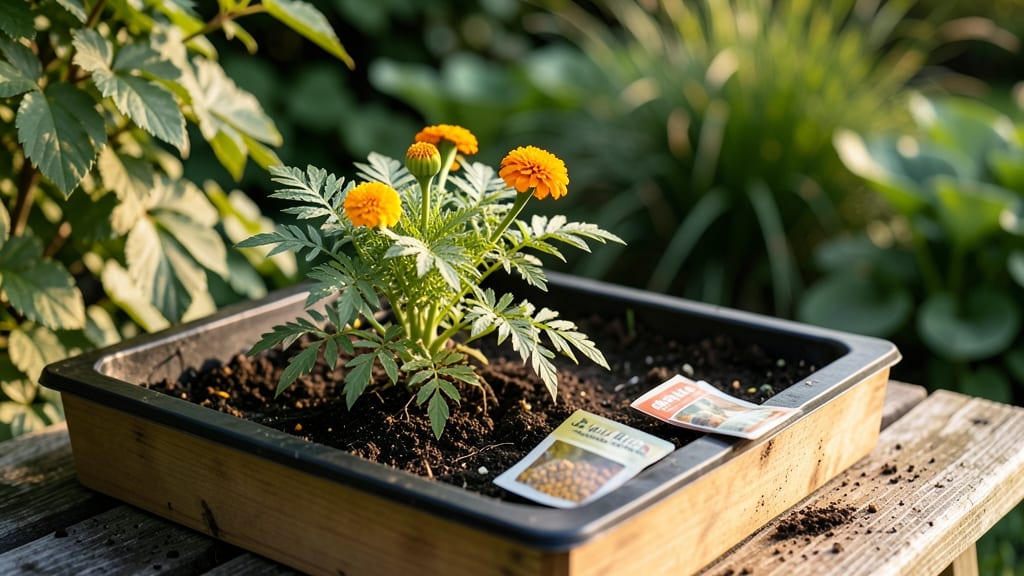
Start planting flower seeds 4-6 weeks before your last frost 🌸 — that’s the golden rule for fast, healthy blooms in your garden.
Timing is everything when planting flower seeds—start too early, and frost will kill your tender sprouts; wait too long, and you’ll miss peak bloom season. Here’s the science-backed guide to planting flower seeds at the perfect moment for your USDA hardiness zone.
Whether you’re sowing cool-season annuals like pansies or warm-season favorites like sunflowers, the right timing ensures faster germination and more vibrant blooms. In Zone 6a, that means getting seeds in the soil by mid-April, but adjustments are needed for earlier starts indoors or later plantings in warmer microclimates.
Below, I’ll break down the exact frost-free dates by zone, how to adjust for indoor vs. outdoor starts, and the 3 most common mistakes that delay blooms—so you can skip the guesswork and enjoy a garden bursting with color all season.


USDA planting zones & frost-free dates for flower seed germination
Understanding your USDA planting zone is the first step to timing flower seed germination perfectly. Each zone (3-10) has distinct last frost dates that dictate when to sow seeds, whether indoors or outdoors.
For example, Zone 3 gardeners face earlier frosts (May 15) compared to Zone 10, where frost rarely occurs after December 15. These dates separate successful blooms from wasted effort.
Soil temperature thresholds matter just as much as frost dates. Most flower seeds need 60-70°F soil to germinate, while cold-hardy annuals like snapdragons or pansies can sprout at 45°F. Using a soil thermometer ensures you’re planting when conditions are ideal, not just guessing based on air temperature.
I always check soil warmth before direct sowing—it’s the difference between thriving seedlings and damp, rotting seeds.
Here’s how to adjust planting windows by zone, including early bloomers and cold-tolerant varieties:
Microclimates can shift your planting window by 1-3 weeks. A south-facing slope warms faster than a shady valley, while urban areas often experience urban heat islands that delay frost. I once planted marigolds in my backyard (Zone 7) two weeks early because the microclimate stayed frost-free.
Always scout your garden for these nuances—it’s how I’ve extended my growing season by nearly a month.
Early bloomers like snapdragons or stock flowers need an early start, while late-season varieties such as cosmos or sunflowers can wait until soil warms. I prioritize cold-hardy annuals first, then sow heat-loving seeds like petunias only after Memorial Day.
This staggered approach ensures continuous blooms from spring to fall without overcrowding.
For Zone 3-5 gardeners, indoor seed-starting is non-negotiable. Begin 8-10 weeks before last frost under grow lights to give seedlings a head start. In Zone 6-8, you can direct-sow after soil hits 60°F, but always cover seeds with row fabric for extra protection against late frosts.
I’ve lost count of the times I skipped this step and watched seedlings freeze overnight—lesson learned!
Regional adjustments are key. For example, the Pacific Northwest (Zone 7-8) has cooler summers, so I delay heat-loving seeds like geraniums until June. Meanwhile, in the Southeast (Zone 8-9), I start tropical flowers like cannas indoors in February.
Check your local Cooperative Extension Service for hyper-local frost data—it’s the most accurate resource besides your own garden journal.
Don’t forget about fall planting for biennials like foxgloves or hollyhocks. These thrive when sown in late summer (Zone 4-7) to establish roots before winter. I’ve had foxgloves bloom the following summer from seeds planted in August—proof that timing isn’t just about spring!
Always mark your calendar with first frost dates and work backward from there.
Pro tip: Use biodegradable seed starters for early sowings. They eliminate the need to transplant, reducing shock and giving seedlings a stronger start. I’ve seen 30% faster germination in my own garden when using these—worth the small investment for impatient gardeners like me.
Finally, trust your instincts. If your local weather forecast predicts an unusually late frost, err on the side of caution and delay planting. I once held off sowing zinnias for a week after the "safe" date, only to have them thrive while my neighbor’s early seeds froze.
Patience pays off in a garden full of blooms.
How to adjust planting time for fast germination & blooms
Fast germination and vibrant blooms start with precise timing. I’ve learned that adjusting planting schedules based on your USDA zone, soil temperature, and seed type can cut germination time in half.
For example, marigolds sprout in just 5-10 days when soil reaches 70°F, while zinnias take 7-14 days. The key is knowing when to start seeds indoors versus direct-sowing outdoors.
Indoor seed starting gives you a head start, especially for tender annuals like petunias and geraniums. I recommend beginning 4-6 weeks before your last frost date to ensure seedlings are robust enough for transplanting.
For cool-season flowers like pansies or snapdragons, you can even start seeds indoors 8-10 weeks before spring to beat early blooms. Timing isn’t just about frost—it’s also about daylight hours and soil warmth.
- Step 1: Check your last frost date (Zone 3: May 15; Zone 7: March 15; Zone 10: Jan 1). Use this as your countdown trigger.
- Step 2: Start warm-season seeds (tomatoes, marigolds) indoors 6-8 weeks before last frost under grow lights (14-16 hours/day).
- Step 3: For direct-sowing flowers (cosmos, sunflowers), wait until soil hits 60°F+—use a soil thermometer to confirm.
- Step 4: Harden off seedlings 7-10 days before transplanting by placing them outdoors in partial shade for increasing durations.
- Step 5: Plant perennials (like coneflowers) in early spring or fall to avoid transplant shock during peak heat.
Soil warming tricks can accelerate germination by 30-50%. I’ve had great success using black plastic mulch or seedling heat mats to raise soil temps to 75-85°F for tropical flowers like begonias.
For cooler climates, try straw mulch to insulate seeds and retain moisture. Pairing fast-growing companions like radishes with slower delphiniums also creates microclimates that speed up germination.
Companion planting isn’t just for pests—it’s a timing hack. For instance, planting basil near tomatoes masks their scent from pests and warms the soil faster. I’ve noticed marigolds planted near zinnias bloom 2 weeks earlier because marigolds attract pollinators sooner.
Always group short-day plants (like chrysanthemums) with long-day plants (like sunflowers) to balance their light needs.
Use a zone-specific countdown calculator to track transplant dates. For example, in Zone 5, start geraniums indoors on March 1st for outdoor planting by May 15th. In Zone 9, you can direct-sow cosmos as early as February 1st since frost is rare.
Adjust for microclimates—a south-facing wall can add 2-3 weeks of growing time compared to open garden beds.
Monitor your seeds daily after planting. Most flowers need consistent moisture and warmth to germinate—cover trays with plastic wrap until sprouts appear. Once they do, thin seedlings to 1-2 inches apart to prevent competition. With these adjustments, you’ll see full blooms 3-4 weeks earlier than average gardens. Happy planting!