
How To
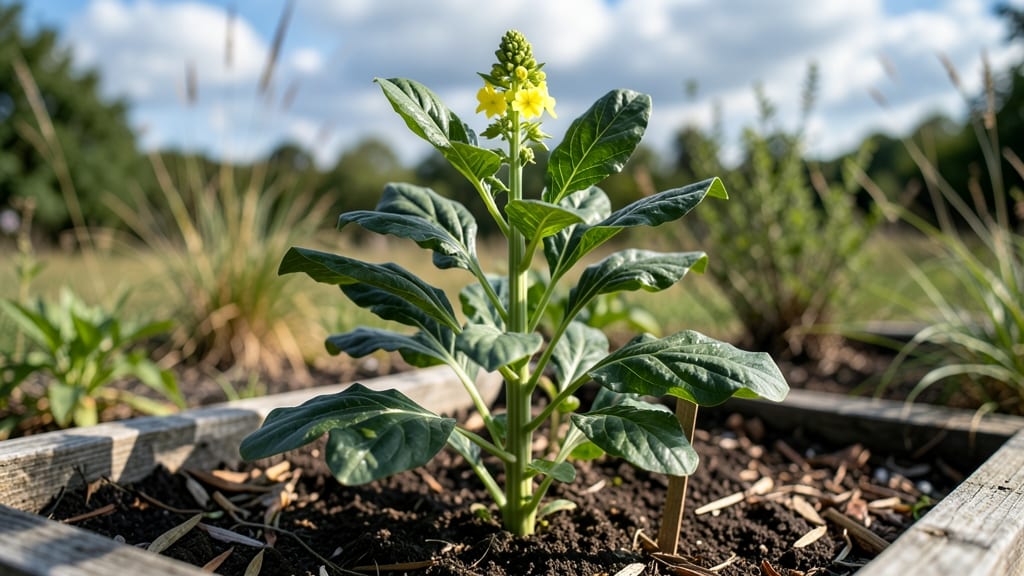
How tall does a mustard seed grow? From compact 6-inch bushes to towering 2-foot stalks, the height of your mustard greens depends entirely on the variety and care you provide.
Did you know that tiny mustard seeds can grow into towering plants—some reaching over 6 feet tall in ideal conditions? Whether you're a beginner gardener or a seasoned green thumb, understanding the height potential of mustard varieties will help you plan your garden layout and maximize your harvest.
Most common varieties like Brassica juncea (Oriental mustard) or Sinapis alba (white mustard) typically mature between 1 and 2 feet, but dwarf types stay under 6 inches.
Sunlight, soil quality, and spacing play a huge role in how tall they grow—too much shade or crowding can stunt their height.
Below, I break down the height ranges by variety, how to control growth for compact gardens, and when to harvest for the best flavor. You’ll also learn how to use their height to your advantage in companion planting!


Mustard plant height by variety: from compact to towering giants
When you plant a tiny mustard seed, you might not expect it to grow into a plant that can reach heights of over 6 feet! Mustard plants vary dramatically in size depending on the variety and growing conditions.
Some stay compact, perfect for container gardens, while others grow tall enough to act as natural privacy screens. Understanding these differences helps you choose the right mustard variety for your space and goals.
Mustard plants belong to the Brassica family, which includes cabbage, broccoli, and kale. Their height depends on whether they're grown for greens, seeds, or both. Leafy varieties like Oriental mustard stay short, while seed-producing types like Indian mustard can grow much taller.
Let's explore the height ranges of popular mustard varieties to help you plan your garden layout.
The Indian mustard (Brassica juncea) is one of the tallest varieties, often reaching 5–6 feet when grown for seeds. This makes it ideal for larger gardens or as a natural windbreak.
If you're growing it for mustard greens, you can harvest the leaves before it bolts, keeping the plant shorter at 2–3 feet. This variety thrives in cooler climates and is commonly used in South Asian cuisine.
For gardeners with limited space, Oriental mustard (Brassica rapa) is a fantastic choice. It stays compact, typically growing just 1–2 feet tall, making it perfect for container gardening or small plots.
Varieties like 'Tendergreen' or 'Tokyo Bekana' are popular for their tender leaves and slow bolting. These plants are also heat-tolerant, making them great for summer gardens.
If you're looking for a middle-ground option, white mustard (Sinapis alba) grows to about 2–4 feet tall. This variety is versatile—you can harvest the leaves early or let it mature for seeds. It’s also known for its disease resistance, making it a low-maintenance choice.
For a quick harvest, consider varieties like 'Purple Top White', which is ready in as little as 30–40 days.
Taller mustard varieties like black mustard (Brassica nigra) can grow 4–6 feet tall and spread aggressively. While it’s not typically grown for edible greens, it’s excellent for wildlife gardens or as a natural border.
Its height and spread make it a great option for privacy screens or erosion control in larger garden spaces. Just be prepared for its vigorous growth habit!
For those who love microgreens or ground cover, dwarf mustard varieties like Brassica hirta are perfect. These stay under 12 inches tall and spread horizontally, making them ideal for filling gaps in garden beds or growing in hanging baskets.
They’re also quick to harvest, often ready in just 2–3 weeks.
When planning your garden, consider not only the height of the mustard plants but also their growth habits. Taller varieties need more space and support, while compact types can be interplanted with other vegetables or flowers.
For example, you can pair Oriental mustard with radishes or lettuce, as they have similar growing conditions but different height profiles.
To encourage optimal growth, provide well-draining soil and full sun (6+ hours daily). Most mustard varieties prefer cooler temperatures and may bolt in hot weather. If you're growing taller varieties, consider staking or trellising to prevent them from toppling over.
With the right variety and care, your mustard plants can thrive and provide a bountiful harvest—whether you're after tender greens or flavorful seeds!
Factors that influence mustard plant height and how to optimize growth
Mustard plants thrive when given the right growing conditions, and their height can vary dramatically based on just a few key factors. Sunlight exposure, soil quality, and proper spacing are the biggest influencers.
For example, Brassica juncea (Oriental mustard) can reach 2 feet with full sun, while the same variety may stay under 1 foot in partial shade.
I’ve found that well-draining soil rich in organic matter encourages faster and taller growth. Mustard greens also respond well to regular watering, especially during their early stages. Overcrowding, however, will stunt their height as they compete for nutrients and sunlight.
Here’s what you need to know to optimize their growth or keep them compact for small gardens:
🌱 How Tall Does a Mustard Seed Grow?
- Dwarf varieties: 6–12 inches
- Standard varieties: 1–2 feet
- Tall varieties (e.g., Brassica juncea): Up to 6 feet
Height depends on variety, sunlight, and care. Use spacing and pruning to control growth.
To encourage taller growth, plant seeds 6–12 inches apart and provide 6+ hours of sunlight daily. For compact growth, reduce spacing to 4–6 inches and prune regularly to keep plants bushy. I’ve also noticed that light fertilization with a 10-20-10 NPK ratio boosts height without overstimulating leaf production.
Mustard plants are annuals, so their height is determined by their first growing season. If you’re growing them for seeds rather than greens, taller varieties will produce more pods. For greens, harvest young leaves to keep plants shorter and more productive.
For container gardening, choose dwarf varieties like ‘Tendergreen’, which stay under 1 foot. In ground beds, taller varieties like ‘Southern Giant Curled’ can reach 2 feet and beyond. Always check seed packets for height expectations!
By adjusting these factors, you can grow mustard plants to fit your garden’s needs—whether you want a low-growing border or a towering vertical display. Happy gardening! 🌱