
Lawn
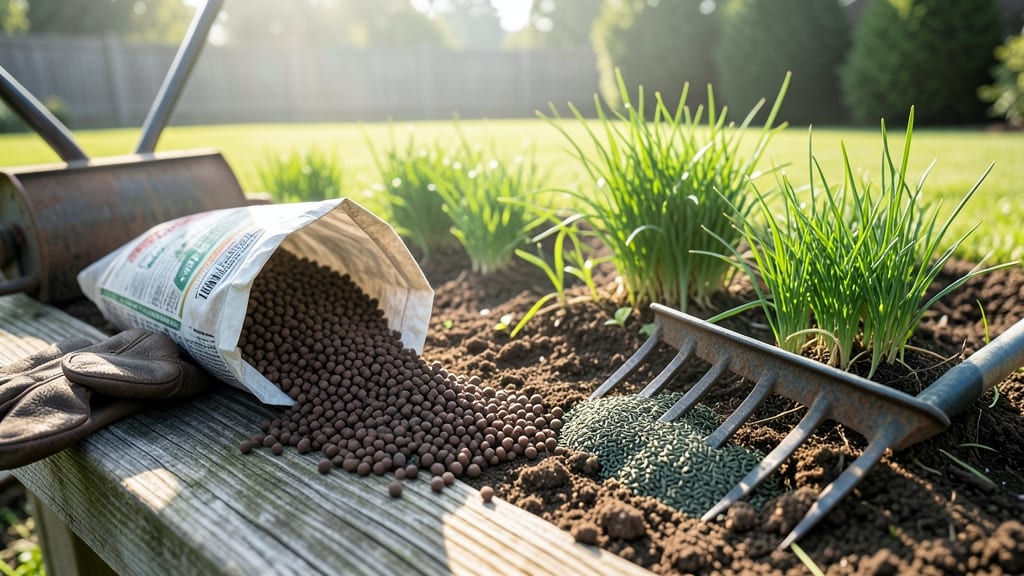
To seed and fertilize your lawn at the right time means the difference between a thick, green carpet and a patchy, weed-infested mess 🌱—and the best windows are early spring and early fall.
Picture this: You’ve just seeded your lawn in the middle of summer, only to watch the seeds bake in the sun before they even sprout. Or you fertilize too early in spring, and the nutrients just sit there, waiting for the soil to warm up.
Timing isn’t just about the calendar—it’s about the temperature, the rain, and even your local frost dates.
In this guide, we’ll break down the exact months to seed and fertilize based on your climate, whether you’re in a cool or warm zone. You’ll learn how to prep your soil, avoid common mistakes like over-fertilizing, and keep your lawn lush all year long—without wasting money or effort.
Ready to transform your yard? Let’s dive into the seasonal schedule that’ll give you the lawn of your dreams.
Best seasons to seed and fertilize your lawn for optimal growth
Timing is everything when it comes to seeding and fertilizing your lawn. Cool-season grasses like Kentucky bluegrass and fescue thrive in spring and fall, while warm-season grasses like Bermuda and Zoysia prefer late spring to summer.
Planting at the wrong time can lead to poor germination or weak growth, no matter how much you invest. The key is aligning your efforts with your local climate zone and soil temperatures.
For most regions in the U.S. (USDA Zones 3-8), the ideal seeding window is early fall (August-September) or early spring (March-April). This timing ensures moderate soil temperatures (60-75°F) and consistent moisture, giving seeds the best chance to establish roots before extreme weather hits.
Fertilizing also follows a seasonal rhythm, with 3-4 applications per year timed to support growth phases.
| Season | Best Time for Seeding | Best Time for Fertilizing | Soil Temp Threshold | Climate Zone |
|---|---|---|---|---|
| Early Spring | March-April | March-April (pre-emergent) | 50-65°F | Cool (Zones 3-7) |
| Late Summer | August-September | September (fall feed) | 60-75°F | Cool (Zones 3-7) |
| Late Spring | May-June | May-June (growth boost) | 70-85°F | Warm (Zones 8-10) |
| Early Fall | September-October | October (root strength) | 65-75°F | Warm (Zones 8-10) |
| Summer (Exception) | June-July (shade) | Avoid high-nitrogen | Below 90°F | All Zones |
If you live in a cool-season climate (Zones 3-7), prioritize early fall seeding (August-September). This allows grass to establish roots before winter dormancy. Spring seeding (March-April) is your second-best option, but avoid planting too early—soil temperatures below 50°F slow germination.
Fertilize in early spring to kickstart growth and again in late summer to prepare for winter.
For warm-season climates (Zones 8-10), the best time to seed is late spring (May-June) when soil temperatures reach 70-85°F.
These grasses go dormant in winter, so early fall fertilization (September-October) helps strengthen roots before cold weather. Summer seeding is risky unless you’re in a shaded area—high temperatures and drought stress can kill young seedlings.
Regardless of your climate, avoid seeding in extreme heat or drought. Even warm-season grasses struggle when daytime temps exceed 90°F. Instead, focus on watering deeply (1-1.5 inches per week) and mulching with straw to retain moisture.
Fertilizing during heatwaves can burn grass blades, so always apply in the early morning and use slow-release formulas.
One common mistake is fertilizing right before seeding. High-nitrogen fertilizers can burn seeds and seedlings. Instead, use a starter fertilizer (low nitrogen, high phosphorus) to encourage root development. After germination, switch to a balanced fertilizer (10-10-10 or 24-0-5) to support healthy growth.
Timing these applications with your local frost dates ensures your lawn gets the nutrients it needs when it needs them most.
Step-by-step seasonal lawn care calendar: what to do each month
Your lawn’s health depends on following a seasonal schedule—not just random tasks throughout the year. In cool climates, focus on early spring and fall, while warm climates shift to late spring and early fall.
The key? Soil temperature should be between 50°F and 75°F for seeding, and fertilizing aligns with growth spurts.
Use this monthly guide to track seeding, fertilizing, mowing, and watering. For first-year lawns, prioritize consistent moisture and light feeding to encourage deep root growth. In years two and beyond, adjust based on your lawn’s health—thicker grass needs less frequent fertilizing.
In March and April, cool climates are prime for seeding—soil warms enough for germination without summer heat stress. Apply a starter fertilizer (high phosphorus) to encourage root development. For warm climates, shift seeding to late spring or early fall when temperatures dip below 85°F.
Summer months demand light feeding and deep watering to prevent drought stress. Avoid fertilizing in extreme heat—it burns grass roots.