
Plants
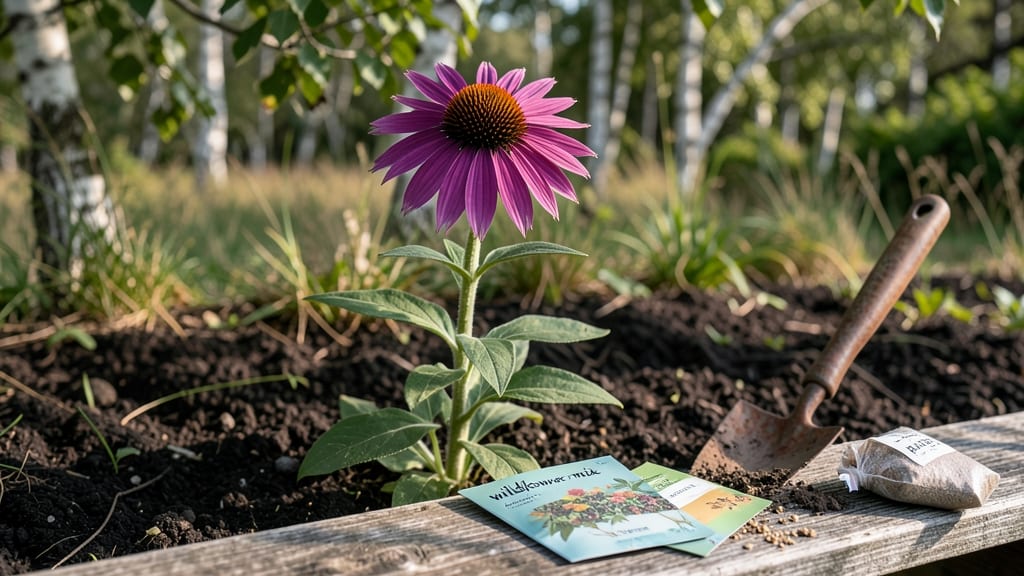
Plant wildflower seeds in Tennessee between late winter and early spring or in fall, aligning with your USDA zone’s frost dates to maximize blooms and minimize weeds.
If you’ve ever watched a wildflower meadow fail because of a late frost or weeds choking out your blooms, you know timing is everything. Tennessee’s varied climate—from the cooler Appalachians to the warmer Delta—means the perfect planting window shifts depending on where you live.
In USDA zones 6a-7b, most gardeners get two chances: late winter to early spring (February–March) for spring blooms or fall (September–October) for early spring color. But the key is knowing your exact last frost date and adjusting for soil prep.
Below, I break down the best months for each zone, soil prep tips, and how to choose native wildflower mixes that thrive in Tennessee’s heat and humidity—so you end up with a low-maintenance, vibrant meadow instead of a weed patch.
Best planting months for wildflower seeds in Tennessee’s USDA zones 6b-8a
Tennessee’s USDA Zones 6b-8a offer wildly different conditions—from the cool Appalachian highlands to the hot, humid Delta. These variations mean your wildflower planting window could shift by 4-6 weeks depending on location.
In Zone 6b (e.g., Northeast Tennessee), early spring frosts linger until mid-April, while Zone 8a (e.g., Memphis area) may see mild winters with frost-free periods as early as mid-February.
For most Tennessee gardeners, fall planting (September-October) is ideal because seeds germinate in cool soil, establish roots before winter, and bloom earlier the next spring. However, spring planting (March-April) works too—just time it 4-6 weeks after your last frost date to avoid seedling loss.
Mountain regions like Great Smoky Mountains (Zone 6b) should lean toward late spring, while valley areas (Zone 7b-8a) can start as early as February.
🌱 Pro Tip: Check your local frost dates (e.g., Nashville’s last frost averages March 15, while Chattanooga’s is April 1), and adjust planting by 2-3 weeks if you’re in a microclimate (e.g., a south-facing slope warms faster than a north-facing valley).
Annual wildflowers like Black-eyed Susans and Cosmos thrive with spring planting because they complete their life cycle in one season. Plant them after your last frost to avoid frost damage to tender seedlings.
Perennials, such as Purple Coneflower or Butterfly Weed, prefer fall planting because their roots need 6-8 weeks to establish before winter dormancy. In Zone 8a, you can even plant some perennials in late winter (e.g., February) if soils aren’t frozen.
Tennessee’s unique microclimates mean your neighbor’s perfect schedule might fail for you. For example, Nashville’s urban areas (Zone 7a) often experience “heat islands”, where sidewalks and buildings trap warmth, allowing earlier spring planting by 1-2 weeks compared to rural areas.
Conversely, Appalachian foothills (Zone 6b) may require delaying spring planting until mid-April to avoid unpredictable late frosts.
How to choose wildflower seed mixes for Tennessee’s climate and soil types
Tennessee’s varied landscapes—from the clay-heavy soils of the Cumberland Plateau to the sandy loam of the Delta region—demand wildflower mixes tailored to local conditions. Choosing the right blend ensures vibrant blooms while supporting native pollinators and reducing maintenance.
For example, Black-eyed Susans (Rudbeckia hirta) thrive in clay soils, while Coreopsis (Coreopsis spp.) prefers well-draining sandy areas.
Middle Tennessee’s summer heat and drought call for drought-tolerant varieties like Purple Coneflower (Echinacea purpurea) or Butterfly Milkweed (Asclepias tuberosa). Meanwhile, the Appalachian foothills’ partial shade suits shade-loving wildflowers like Wild Columbine (Aquilegia canadensis) or Bloodroot (Sanguinaria canadensis).
Let’s break down the best Tennessee-proven mixes for your specific soil and climate.
- 1 Clay Soil Mix: Black-eyed Susan, Coneflower, Ironweed (tolerates heavy, wet soils)
- 2 Sandy Loam Mix: Coreopsis, Partridge Pea, Blanket Flower (thrives in dry, fast-draining soil)
- 3 Drought-Tolerant Mix: Purple Coneflower, Butterfly Milkweed, Goldenrod (needs minimal water)
- 4 Shade-Loving Mix: Wild Columbine, Bloodroot, Foamflower (ideal for wooded edges)
- 5 Pollinator-Friendly Mix: Bee Balm, Joe Pye Weed, Golden Alexander (supports bees, butterflies)
Avoid generic mixes with non-native species like Annual Ryegrass, which crowds out local wildflowers. Instead, opt for 100% native Tennessee seed blends from reputable suppliers like American Meadows or Southern Exposure Seed Exchange.
These mixes include sequential blooming to extend your meadow’s beauty from early spring to late fall.
For Middle Tennessee’s Zone 7a, prioritize heat-resistant perennials like Lanceleaf Coreopsis or Wild Bergamot. In the Appalachian foothills (Zone 6b), focus on cool-season bloomers such as Virginia Bluebells or Wild Geranium. Always check the mix’s bloom-time chart to ensure year-round color.
Test your soil’s pH and drainage before planting. Tennessee’s acidic mountain soils may need lime amendments, while alkaline river valleys benefit from sulfur or peat moss.
Amend heavy clay with compost or sand to improve aeration. Native wildflowers are low-maintenance once established, but proper soil prep ensures faster germination and healthier plants.
Start with small 1-pound test packets to experiment with different mixes. For example, plant a sunny meadow with Black-eyed Susans and Coneflowers alongside a shady woodland edge featuring Bloodroot and Wild Columbine. Rotate mixes every few years to prevent soil depletion and encourage biodiversity.