
Plants
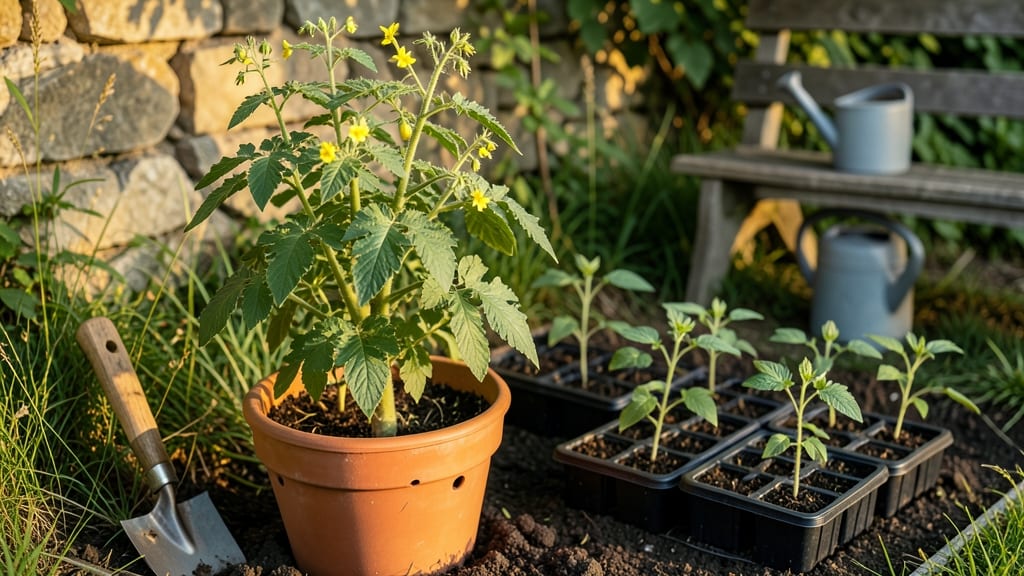
Planting tomato seeds in Michigan at the right time means the difference between a bountiful harvest and a sad, frost-nipped vine.
Michigan gardeners know timing is everything—plant too early, and frost will kill your dreams; too late, and your harvest shrinks. Mastering the last frost dates by zone ensures your tomatoes thrive from seed to vine, no matter if you're in Detroit, Traverse City, or the Upper Peninsula.
Starting indoors 6-8 weeks before your last frost gives seedlings a head start, while transplanting outdoors after soil warms to 60°F keeps roots happy. But Michigan’s unpredictable weather means even the best-laid plans can go sideways—so we’ll cover backup dates and tricks to protect your plants when the forecast turns.
Below, you’ll find exact planting windows for your USDA zone, the best tomato varieties for Michigan’s short season, and how to adjust for urban microclimates or late frosts. No more guesswork—just tomatoes that actually grow.
Michigan last frost dates by USDA Zone: exact timing for tomato seed planting
Timing your tomato seeds correctly in Michigan means the difference between a bountiful harvest and wasted effort. Michigan spans USDA zones 4a to 6b, each with distinct last frost dates that dictate when to start seeds indoors and transplant outdoors.
In colder northern zones, you’ll need to begin seeds 8 weeks early, while southern zones offer more flexibility. Understanding these frost-free windows ensures your seedlings mature before summer heat arrives—preventing stress or bolted growth.
For example, in Zone 4a (Upper Peninsula), last frosts often linger until May 15-20, while Zone 6b (southern Michigan) typically sees frost-free conditions by April 20-30.
These differences mean Zone 4a gardeners should start seeds indoors by March 1-15, while Zone 6b gardeners can wait until March 15-April 1. Aligning your schedule with these dates maximizes your growing season and avoids late-season setbacks.
Here’s how to use these dates for tomato seed planting success:
| USDA Zone | Last Frost Date | Indoor Seed Start | Outdoor Transplant | Notes |
|---|---|---|---|---|
| 4a (Upper Peninsula) | May 15-20 | March 1-15 | May 25-June 1 | Use row covers for early transplants. |
| 4b (Northern Lower Peninsula) | May 1-10 | March 10-25 | May 10-20 | Prioritize cold-hardy varieties. |
| 5a (Central Michigan) | April 25-May 5 | March 15-April 1 | May 1-15 | Soil should be 60°F+ for transplanting. |
| 5b (Southern Lower Peninsula) | April 15-25 | March 20-April 5 | April 25-May 10 | Longer growing season; try late varieties. |
| 6a/6b (Southeast Michigan) | April 10-20 | March 25-April 10 | April 15-May 1 | Can direct-sow after last frost. |
Once you’ve nailed down your zone-specific dates, the next step is indoor seed starting. Tomatoes need 6-8 weeks of warmth before transplanting, so begin seeds indoors under grow lights or a sunny windowsill.
Use seed-starting mix (not garden soil) to prevent damping-off disease, and maintain temperatures between 70-80°F for optimal germination. Thin seedlings to 2-3 inches apart once they sprout their first true leaves to avoid overcrowding.
Transplanting outdoors requires soil warmth and stable temperatures. Wait until nighttime lows stay above 50°F and soil temperatures reach 60°F—use a soil thermometer to check. Harden off seedlings by gradually exposing them to outdoor conditions over 7-10 days before planting.
In Zone 4a, this might mean waiting until late May or early June, while Zone 6b gardeners can transplant as early as mid-April. Always plant deeper than the seedling’s original soil line to encourage strong root growth.
Michigan’s unpredictable spring weather can throw off even the best-laid plans. To hedge your bets, consider successive planting: start a second batch of seeds 2 weeks after your first to extend your harvest.
For northern zones, use row covers or cold frames to protect young plants from late frosts. In southern zones, watch for early heatwaves—tomatoes thrive in 70-85°F but can suffer from blossom drop if temps exceed 90°F.
How to adjust tomato planting for Michigan’s unpredictable weather patterns
Michigan’s weather can throw curveballs—one day it’s freezing overnight, the next a heatwave hits early. These swings make tomato planting tricky, but with the right adjustments, you can protect your plants and still enjoy a bountiful harvest.
The key is planning for late frosts, soil temperature delays, and unexpected heat.
I’ve learned that row covers and cold frames are my secret weapons. They give young tomato plants a buffer against frost while letting them soak up sunlight. Even if your last frost date slips, these tools buy you extra weeks to get seedlings established.
For example, in Zone 5b, I’ve used row covers until May 20 to shield plants from 32°F nights.
⚠️ callout warning ⚠️
Even if your last frost date passes, soil temperature matters more. Tomatoes need 60°F soil to thrive. Use a soil thermometer—if it’s below 55°F, delay planting. Cold soil stunts roots, making plants vulnerable to disease.
💡 Pro Tip: Warm soil faster by covering garden beds with black plastic mulch 1-2 weeks before planting.
Another trick I swear by is backup planting dates. If your first planting gets whacked by frost, have a second set of seeds ready to start indoors. For Zone 6a, I plant my backup seeds by May 1 for a late-June transplant.
This ensures a harvest even if early plants struggle. Just choose early-maturing varieties (like ‘Early Girl’) for these backups.
For early heatwaves, shade cloth becomes your best friend. When temps hit 90°F+, tomatoes can drop flowers or develop sunscald. A 30-50% shade cloth over plants during peak afternoon sun keeps them cool.
I also mulch heavily to retain moisture and regulate soil temps. Straw or wood chips work great—just keep them 2-3 inches away from the stem to prevent rot.
Don’t overlook container gardening as a safety net. If your ground is too cold or wet, grow tomatoes in 5-gallon buckets or fabric pots. Containers warm up faster and let you move plants to sheltered spots during late frosts.
Plus, you can roll them into a garage if a sudden cold snap hits. Just use a balanced fertilizer (like 5-10-10) every 3-4 weeks to compensate for limited root space.
Finally, keep an eye on your tomato varieties. Determinate types (like ‘Roma’) ripen faster and handle cooler temps better than indeterminate varieties (like ‘Beefsteak’). For Michigan’s short season, I mix both: determinate for early harvests and indeterminate for a longer producing season.
And always save a few cold-hardy heirlooms (like ‘Cherokee Purple’) for late-summer planting.
With these adjustments, Michigan’s unpredictable weather won’t derail your tomato dreams. Start with row covers, monitor soil temps, and keep backup seeds handy. Your garden—and your taste buds—will thank you! 🌱