
Vegetables
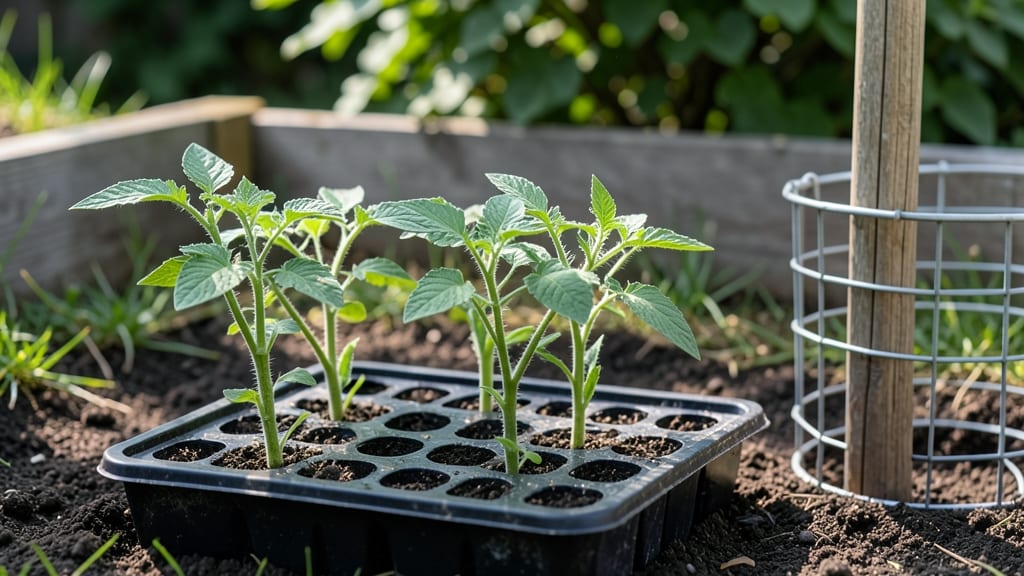
Starting tomato seeds outside means skipping the indoor hassle and letting nature handle the early work—but only if you nail the timing.
Picture this: you’ve just tucked those tiny seeds into the soil when a surprise frost rolls in. Your seedlings? Gone before they even sprout. That’s why knowing your last frost date and soil temperature is the key to success.
In Zone 6a, the window for direct outdoor sowing opens around mid-April, but your exact timing depends on whether you’re planting early varieties or heat-loving tomatoes. We’ll break down the frost-free math and soil prep so you can start strong.
You’ll also learn how to harden off seedlings and protect them from late cold snaps, plus the best tomato varieties for outdoor starts that won’t bolt in the heat.
When to start tomato seeds outside without frost damage
Starting tomato seeds directly in the garden can save time and effort, but timing is critical to avoid frost damage. Unlike indoor starts, outdoor seedlings face immediate temperature risks.
The key is planting when soil temperatures hit 50°F+ and nighttime lows stay above 45°F. This ensures germination and survival without relying on protective structures.
Your local last frost date is your starting point, but soil temperature matters more than air temperature. A soil thermometer is your best tool—tomato seeds need 60°F+ soil to germinate reliably. Cold soil delays sprouting and weakens seedlings, making them vulnerable to frost.
Early varieties like 'Stupice' or 'Mountain Merit' tolerate cooler conditions better than heat-lovers like 'Celebrity'. Adjust your planting window by 2-3 weeks earlier for cold-hardy types, but always confirm your zone’s historical frost patterns using the USDA Plant Hardiness Zone Map.
For early varieties, aim to plant seeds 4-6 weeks before your last frost date. This gives seedlings time to develop 2-3 true leaves before facing cooler nights. Late varieties, however, can wait until 2 weeks after your last frost—just ensure soil stays warm.
Use a black plastic mulch to warm soil faster, especially in cooler zones. Lay it down 1-2 weeks before planting to raise soil temperatures by 5-10°F. Pair this with row covers for extra protection during unpredictable spring nights.
Monitor your local 10-day forecast for cold snaps. If nighttime temps drop below 50°F after planting, cover seedlings with frost blankets or clear plastic domes. Remove covers by 10 AM to prevent overheating and humidity buildup.
Hardening off seedlings is non-negotiable. Start 7-10 days before outdoor planting by exposing them to direct sunlight for 2 hours daily, gradually increasing to full sun. This toughens stems and reduces transplant shock, giving your tomatoes a stronger start against frost.
If your zone has late frosts (like Zone 5’s April surprises), opt for fast-germinating varieties like 'Early Girl' or 'Better Boy'. These sprout in 5-7 days at 60°F, giving you a faster edge over unpredictable weather.
Pro tip: Plant seeds in biodegradable pots or egg cartons to avoid disturbing roots. Bury the pots halfway when transplanting—this encourages deeper root growth and better frost resilience.
🌱
Protecting outdoor tomato seedlings from early frost and cold snaps
Even with the perfect planting window, a surprise cold snap can devastate your tomato seedlings in hours. The key is a mix of preventive hardening and quick-response protection.
Start by gradually exposing seedlings to outdoor conditions over 7–10 days before planting. This toughens their cell walls so they can handle temperature drops better.
Begin with just 1–2 hours of outdoor time on mild days, then increase daily. Use a shady spot first to avoid stress from direct sun. If nighttime temps dip below 50°F, bring them back inside or cover them.
This mimics nature’s way of preparing plants for seasonal shifts—just faster.
⚠️ callout warning ⚠️
❄️ Frost Alert: What NOT to Do
- Don’t use plastic wrap directly on seedlings—it traps moisture, causing rot.
- Avoid heavy blankets that block sunlight entirely during the day.
- Never leave protection on past last frost date—it can overheat plants.
Pro Tip: Test your frost protection the night before by placing it over a potted plant to check airflow.
For emergency frost protection, lightweight row covers or frost blankets are your best friends. These let sunlight and airflow through while trapping enough heat to raise temps by 5–10°F. Secure edges with bricks or soil to prevent wind from lifting them.
If temps drop below 32°F, add a second layer or move pots to a garage or shed for the night.
Knowing when to remove protection is just as critical. Once seedlings have 4–6 true leaves and soil stays above 55°F at night, you can phase out covers during the day.
Start by uncovering for 2–3 hours, then gradually increase. Watch for wilting or yellowing—signs they’re still struggling with temperature stress.
Monitor weather forecasts using free apps like AccuWeather or your local agricultural extension service. Set alerts for 32°F or lower so you’re never caught off guard. I keep a thermometer in the garden to track overnight lows—it’s the only way to act fast if temps plummet unexpectedly.
With these low-tech tricks, your tomato seedlings will survive early cold snaps and thrive into full fruit-bearing plants. The payoff? A longer growing season and sweeter tomatoes straight from your garden. 🌱