
Plants
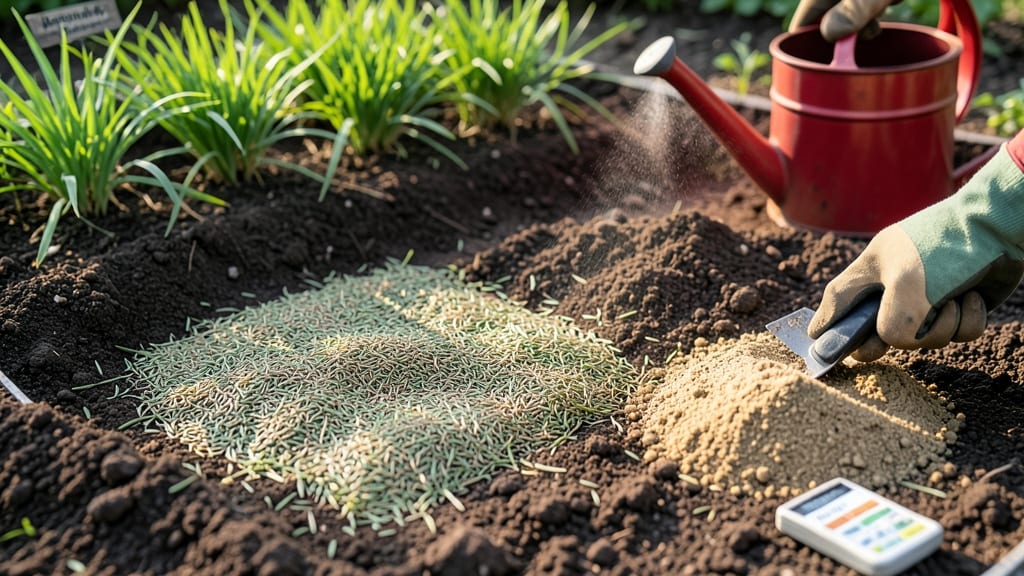
Plant new grass seed in spring when soil temperatures hit 50-65°F—that’s the sweet spot for cool-season grasses like fescue and bluegrass to germinate before summer heat arrives.
Timing is everything when planting new grass seed in spring—plant too early and risk frost damage, too late and miss the ideal growth window. Cool-season grasses need precise deadlines by zone to establish thick, lush lawns before summer heat sets in.
In USDA Zone 6a, aim for 4-6 weeks before your last frost date, usually mid-March to early April. This window gives young roots time to anchor before temperatures climb, setting the stage for a thick, resilient lawn by summer.
Below, I’ll break down the exact deadlines by zone, soil prep secrets, and how to avoid the three biggest mistakes that kill germination—so you can skip the guesswork and get it right the first time.
Best spring planting deadlines by USDA hardiness zones for cool-season grass
Cool-season grasses like Kentucky bluegrass, fescue, and ryegrass thrive when planted in early spring, but the exact timing depends on your USDA hardiness zone. Planting too early risks frost damage, while waiting too long means missing the ideal soil temperature window of 40-55°F.
Each zone has a 3-5 week window before the last expected frost to ensure strong root establishment before summer heat arrives.
For example, in Zone 3 (northern climates like Minnesota or Maine), your planting window opens in early April—about 5 weeks before last frost—while Zone 8 (southern states like Florida or California) can start as late as mid-March with a 3-week buffer.
Understanding these deadlines helps you avoid common mistakes like overwatering frozen soil or letting seeds dry out in warming temperatures.
Soil temperature is the most critical factor. Seeds won’t germinate well below 40°F, and soil above 60°F can cause rapid moisture loss. Use a soil thermometer to confirm readiness—most cool-season grasses prefer 50-55°F for optimal sprouting. This guide breaks down the best planting windows by zone, including regional examples and frost risk analysis to help you plan with confidence.
Comparison Table: Spring Planting Deadlines by USDA Zone for Cool-Season Grass
In Zone 3, where frost lingers until mid-May, planting in early April gives seeds time to germinate before summer heat. Meanwhile, Zone 8 gardeners can start as early as mid-March because frost is rare.
Always check your local last frost date—tools like the Old Farmer’s Almanac or NOAA’s frost maps provide reliable estimates. Pro tip: If your soil is still too cold, cover seeds with a lightweight frost blanket to protect them until temperatures rise.
For perennial ryegrass and annual ryegrass, which germinate faster, you can push the window slightly later—up to 2 weeks before last frost—but Kentucky bluegrass and tall fescue need that full 4-5 week buffer to establish deep roots.
If you’re in doubt, err on the earlier side. Seeds stored in a cool, dry place can wait, but soil conditions won’t.
Watch for frost warnings in your area. Even a light freeze can kill young seedlings, so monitor forecasts closely. In Zone 5, for instance, a late frost in April can delay planting by 2-3 weeks.
Use row covers or straw mulch to shield tender sprouts if frost is forecasted within 7 days of planting. This extra protection buys you time to let roots strengthen before summer’s intensity.
Once you’ve planted, maintain consistent moisture—watering daily for the first 2 weeks keeps soil evenly damp (but
How to prepare your lawn for spring grass seed planting in 5 critical steps
Spring is the perfect time to transform your patchy lawn into a lush carpet of green, but preparation is key. Before you even scatter that first seed, your soil needs to be clean, loose, and nutrient-rich—otherwise, your new grass will struggle to take root.
I’ve learned from years of trial and error that skipping these steps can mean wasted seed, slow germination, or even total failure.
The secret to a thriving lawn starts with soil health. Cool-season grasses like fescue and bluegrass thrive when soil temperatures hit 50-65°F and pH levels sit between 6.0-7.0. If your soil is compacted, acidic, or overrun with weeds, your seed will have a tough time breaking through.
Let’s dive into the 5 critical steps to set your lawn up for success—so you can enjoy that first mow of the season with confidence.
- 1 Test and adjust soil pH to 6.0-7.0 using lime (to raise pH) or sulfur (to lower it).
- 2 Remove weeds and debris with a rake or herbicide (apply 2-3 weeks before planting).
- 3 Till the soil 1/4–1/2 inch deep to loosen compaction and create a seed-friendly bed.
- 4 Ensure seed-to-soil contact by lightly raking after sowing (no deeper than 1/8 inch).
- 5 Water lightly twice daily (morning and evening) for the first 2 weeks to keep soil moist.
First things first: soil testing is non-negotiable. Grab a DIY pH test kit from your local garden center—it’s cheap and takes 10 minutes. If your soil tests below 6.0, sprinkle pelletized lime (follow package rates) and work it into the top 2-3 inches.
For soil above 7.0, mix in elemental sulfur 2-3 months before planting. Balanced pH = happy grass.
Weeds are the silent killers of new grass seed. Before planting, dethatch your lawn (if thatch is thicker than 1/2 inch) and pull stubborn weeds by hand. For stubborn broadleaf weeds, apply a pre-emergent herbicide like corn gluten meal 2-3 weeks before seeding—it’s organic and safe for grass once established.
Pro tip: Rake the area again right before planting to remove any remaining debris.
Now for the tilling step: Use a rototiller to break up compacted soil to a depth of 1/4–1/2 inch. This creates the perfect seed bed for roots to penetrate easily.
If you don’t have a tiller, a broadfork or even a sturdy garden fork will do—just work it into the soil in a crisscross pattern. Loose soil = faster germination.
Once your soil is prepped, it’s time to sow the seed. Scatter your grass seed evenly using a spreaders (handheld or drop-type) for uniform coverage.
Then, lightly rake the area with a leaf rake to ensure seeds make contact with the soil—this is critical for germination. Never bury seeds deeper than 1/8 inch; they need light to sprout.
After planting, watering is your new best friend. Keep the soil consistently moist (not soggy) by watering twice daily—once in the morning and once in the evening—for the first 2 weeks. Use a gentle sprinkler or hose with a fine mist setting to avoid displacing seeds.
Once seedlings reach 2-3 inches tall, switch to deep, infrequent watering (1-1.5 inches per week) to encourage deep root growth.
For extra protection, consider adding a light mulch layer (like straw) after planting. This helps retain moisture and shields seeds from harsh sunlight. Just make sure it’s thin (1/4 inch max) so it doesn’t smother the seedlings.
With these steps, you’ll be well on your way to a thick, vibrant lawn by summer—no guesswork required!