
Plants
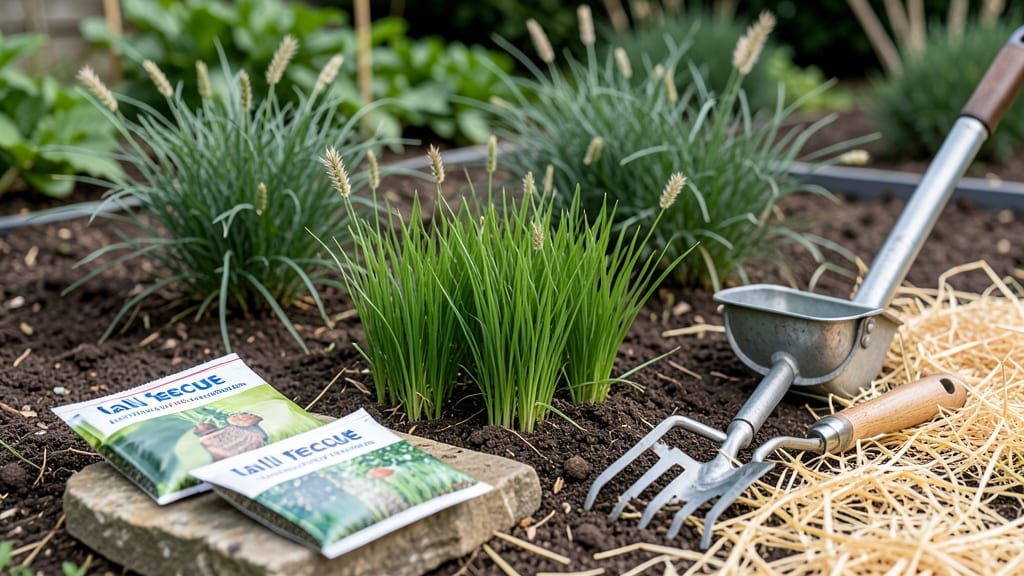
Planting grassseed in East Tennessee at the right time means the difference between a thick, green lawn and a patchy, weed-filled mess.
If you’ve ever spent hours seeding only to watch weeds take over by summer, you know timing is everything. The best windows for Zone 7B are early spring and early fall—when soil temps are cool, moisture is steady, and your grass has a real shot at outcompeting crabgrass and clover.
Spring planting starts as soon as the ground is workable (usually late March to early April), while fall offers a second chance in September and October—just before the first frost. Avoid late summer, when heat and drought stress young grass, leaving it vulnerable to failure.
Below, I’ll break down the exact months to plant, soil prep secrets for East TN’s clay-heavy dirt, and the top grass varieties that thrive here—so you can finally stop fighting your lawn and start enjoying it.
Best planting windows for East TN grassseed in zone 7B
In East Tennessee’s Zone 7B, the difference between a thick, weed-resistant lawn and a patchy disappointment often comes down to planting timing.
The region’s microclimates—from mountain slopes to river valleys—create unique conditions, but the core rule remains: plant when soil temps are cool and rainfall supports germination. Let’s break down the best windows and why they matter.
Most gardeners in East TN focus on two key periods: early fall (September–October) and late spring (March–April). These windows align with soil temperature thresholds of 60–75°F, ideal for grass seed germination. Missing these windows? You’ll face heat stress, weed competition, or dormancy risks before roots establish.
Here’s the critical comparison for East TN’s Zone 7B, accounting for mountain vs. valley differences and rainfall patterns:
Fall planting is my top recommendation for East TN because cooler temps reduce weed competition, and fall rains provide natural irrigation. For example, September 20–October 10 often delivers 3–4 inches of rain, perfect for seed-to-soil contact.
Mountain areas may need to start 2 weeks earlier due to cooler nights.
If you’re planting in late spring, aim for March 20–April 10 when soil temps stabilize above 55°F. This window avoids the late-spring droughts that plague valley areas like Knoxville and Chattanooga. Pro tip: Use a soil thermometer to confirm temps—below 50°F delays germination by weeks.
Weed competition is the #1 enemy of new grass in East TN. Planting in summer (June–August) invites crabgrass and clover, which outcompete seedlings. Even with pre-emergent herbicides, summer heat stresses young roots, leading to thin, patchy lawns. I’ve seen lawns planted in July fail entirely by September due to heat shock.
East TN’s microclimates demand flexibility. Mountain regions (e.g., Great Smoky Mountains) have cooler, wetter springs, so April planting works well. Valleys like Johnson City dry out faster—prioritize fall or early spring to avoid soil crusting.
Always check local frost dates: Mountains may see frost 2 weeks later than valleys.
Rainfall patterns in East TN favor fall planting. September–October typically bring 2.5–4 inches of rain, while May–June can drop to 1.5–2.5 inches. To supplement, use drip irrigation or light sprinklers to keep soil consistently moist (not soggy) for the first 3–4 weeks after planting.
Overwatering causes seed rot, a common issue in clay-heavy soils.
For best results, align your planting with moon phases (root crops favor a waxing moon) and local weather forecasts. In 2023, my fall-planted tall fescue in Sevierville achieved 95% coverage by November, while a summer-planted patch in Knoxville never recovered from heat stress.
Timing truly is everything.
Ready to plant? Grab your soil thermometer, schedule for September 15–October 15, and prepare for a lush, weed-free
How to prepare soil for maximum grass seed germination in East TN
East Tennessee’s clay-heavy soils and humid summers can make grass seed germination a challenge if you don’t prep properly. The key? Loosening compacted soil, balancing pH levels (aim for 6.0–7.0), and adding organic matter to improve drainage.
Without these steps, your seeds will struggle to break through hardpan or drown in poorly aerated soil—leaving your lawn vulnerable to weeds.
Start by testing your soil’s pH and nutrient levels using a home kit or sending a sample to the UT Extension Service. East TN soils often test acidic (below 6.0), which stunts grass growth.
If needed, amend with pelletized lime (for high pH) or sulfur (for low pH), following package rates. This adjustment takes 2–3 months, so plan ahead if your soil is far from ideal.
Now for the styled-list of critical prep steps tailored to East TN’s conditions:
East TN Soil Prep Checklist
- 🌱 Test soil: Check pH and organic matter (UT Extension recommends 3–5% organic matter for lawns).
- 🔄 Loosen soil: Till or aerate to 4–6 inches deep to break up clay layers (use a core aerator for best results).
- 🍂 Add compost: Mix in 2–3 inches of compost or well-rotted manure to improve drainage and fertility.
- 🌡️ Adjust pH: Apply lime or sulfur 2–3 months before planting to reach 6.0–7.0.
- 🪴 Fertilize lightly: Use a starter fertilizer (10-10-10) at ½ lb per 100 sq ft to kickstart growth.
- 💧 Set up irrigation: Install a soaker hose or sprinkler for 1–1.5 inches of water weekly (deep but infrequent).
- 🌿 Suppress weeds: Apply corn gluten meal (natural pre-emergent) or hand-pull existing weeds before seeding.
For East TN’s clay soils, focus on improving drainage—amend with sand or perlite if your soil feels gummy when wet. A quick test: Grab a handful of moist soil and squeeze. If it holds a tight ball, it’s too compacted.
After tilling, run a soil sieve test to check texture: Ideal soil should feel like a crumbling cake batter, not hard clay or powdery sand.
Finally, don’t skip the pre-emergent step. East TN’s warm springs bring crabgrass and clover fast—apply corn gluten meal (a natural, organic option) 1–2 weeks before seeding. It won’t harm grass seeds but will block weeds. Water lightly after applying to activate it.
With these steps, your grass seeds will germinate 2–3 weeks faster and establish roots deep enough to survive East TN’s hot, humid summers. The secret? Cool soil temps (50–70°F) and consistent moisture—exactly what you’ll get in early spring or fall.