
Plants
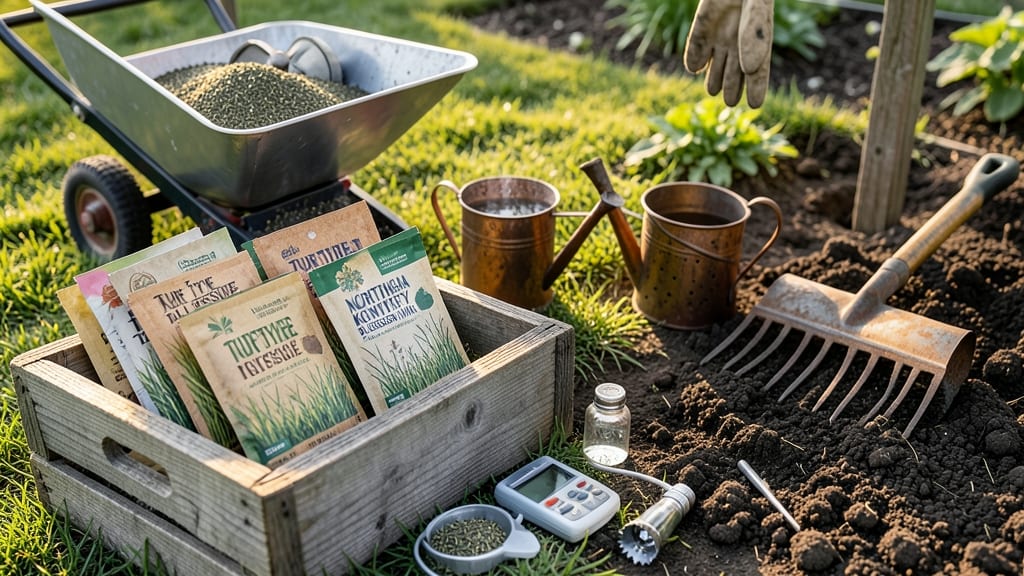
Planting grass seed in Wyoming at the right time means the difference between a lush lawn and a patchy disappointment 🌱—and the best windows are late August to early October or early April to mid-May.
Wyoming’s unpredictable climate—from harsh winters to scorching summers—can make or break your lawn. Plant grass seed at the wrong time, and you’ll waste money on seeds that struggle to take root. But get the timing right, and you’ll enjoy a lush, resilient lawn that thrives year after year.
Fall planting gives seeds time to establish roots before winter, while spring offers a head start before summer’s heat sets in. Both seasons avoid the extreme temperatures that stress young grass, but the key is acting 4-6 weeks before the first frost—no matter which season you choose.
In this guide, I’ll break down the best months for your region, soil prep tips, and how to keep your new grass seed from washing away or drying out before it takes hold.
Best months to plant grass seed in Wyoming (by region)
Wyoming’s diverse climate means your planting window depends heavily on where you live in the state. The Southwest and Southeast regions enjoy warmer springs and later frosts, while the Northern Plains and Mountain areas face earlier freezes and shorter growing seasons.
Understanding your region’s frost dates and soil temperatures is key to avoiding failed lawns.
For most of Wyoming, late August through early October is ideal for fall planting, while early April to mid-May works best in spring. These windows give grass seeds time to establish roots before extreme heat or cold sets in.
However, mountain regions may need to adjust by 2-3 weeks earlier due to colder microclimates.
Let’s break down the best planting months for each region, including frost dates, soil temperature requirements, and rainfall patterns to help you time your project perfectly.
| Region | Best Fall Planting Window | Best Spring Planting Window | First Frost Date | Soil Temp for Germination | Rainfall Considerations |
|---|---|---|---|---|---|
| Southwest (e.g., Laramie, Rock Springs) | Late August to mid-October | Mid-April to early May | Mid-September to late October | 50-60°F (10-15°C) | Moderate; irrigate if <1 inch/week |
| Southeast (e.g., Cheyenne, Casper) | Early September to early October | Late March to mid-April | Late September to early October | 55-65°F (13-18°C) | Low; supplement with irrigation |
| Northern Plains (e.g., Sheridan, Gillette) | Mid-August to late September | Early April to early May | Early September to mid-October | 45-55°F (7-13°C) | Variable; monitor soil moisture |
| Mountain Regions (e.g., Jackson, Cody) | Late July to early September | Late May to early June | Early September to late October | 40-50°F (4-10°C) | High elevation; water daily until established |
In the Southwest and Southeast, you have a slightly longer window to plant in fall because the first frosts arrive later. Aim for late August through early October to give seeds time to germinate before winter sets in.
These regions also benefit from slightly warmer soil temperatures, making spring planting easier if you miss fall.
For the Northern Plains, timing is critical. Plant mid-August to late September to avoid early frosts that can kill young grass. Spring planting here should start by early April to take advantage of the short growing season.
Soil temperatures in these areas can drop quickly, so use a soil thermometer to confirm readiness.
The Mountain regions present unique challenges due to high elevation and cooler temperatures. Plant late July to early September for fall, or wait until late May to early June in spring.
These areas often experience lower soil temperatures, so consider using cold-hardy grass varieties like tall fescue or Kentucky bluegrass for better success.
Regardless of your region, always check the 7-day weather forecast before planting. Avoid days with heavy rain or high winds, as these can bury seeds too deep or wash them away. A light misting of seeds with water after planting helps keep them in place until they germinate.
After choosing your planting window, focus on soil preparation. Wyoming’s alkaline soils often need amendment with compost or peat moss to improve drainage and fertility. Test your soil’s pH—ideal levels for most grasses are between 6.0 and 7.0.
If your soil is too alkaline, add sulfur or organic matter to adjust it before planting.
Once your seeds are in the ground, maintain consistent moisture by watering lightly twice daily for the first 2 weeks. This encourages germination without washing seeds away. After germination, reduce to 1 inch of water per week, adjusting for rainfall.
Mulching with straw can help retain moisture and protect young grass from temperature swings.
With the right timing and care, your Wyoming lawn will establish strong roots and thrive through the state’s challenging seasons. Whether you’re in the arid Southwest or the cooler mountains, following these regional guidelines ensures your grass seed gets the best possible start.
How to prepare Wyoming soil for grass seed success
Wyoming’s alkaline soils and drought-prone conditions demand extra prep work before planting grass seed. Without proper soil preparation, your seeds may struggle to germinate or grow unevenly. The key is creating a loose, nutrient-rich environment that holds moisture while allowing roots to penetrate easily.
Start by testing your soil’s pH level—most Wyoming lawns have a pH between 7.5 and 8.5, which is too alkaline for optimal grass growth. Aim for a neutral pH of 6.0 to 7.0 by adding sulfur or peat moss.
This adjustment encourages root development and nutrient uptake, setting your lawn up for success.
Step-by-Step Soil Prep Checklist
- 🔹 Test soil pH (use a kit or send to a lab). Aim for 6.0-7.0.
- 🔹 Adjust pH with sulfur (for high pH) or lime (for low pH). Apply 2-4 weeks before planting.
- 🔹 Till the soil 4-6 inches deep to break up compaction and remove weeds.
- 🔹 Add compost (2-3 inches) or aged manure to improve fertility and water retention.
- 🔹 Level the area with a rake, removing rocks and debris.
- 🔹 Apply starter fertilizer (high in phosphorus) to encourage root growth.
- 🔹 Water deeply the day before planting to settle the soil.
After adjusting the pH level, till the soil to a fine, crumbly texture. Wyoming’s dry climate means your soil may be compacted, making it hard for seeds to sprout. Use a rototiller or garden fork to loosen the top 4-6 inches, then rake to create a smooth seedbed.
This step also helps control weeds, which compete with grass for nutrients and water.
Incorporate 2-3 inches of compost or aged manure into the top 2 inches of soil. This boosts organic matter, improves water retention, and provides essential nutrients. For drought-prone areas, consider adding hydro-mulch or straw after planting to lock in moisture and protect seeds from wind.
Before planting, apply a starter fertilizer with a high phosphorus content (e.g., 5-10-10). This promotes strong root development, helping your grass establish quickly. Water the area deeply the day before planting to ensure the soil is moist but not soggy—this gives seeds an immediate moisture boost when you plant.
Finally, conduct a final weed check. Pull any remaining weeds by hand or spot-treat with a vinegar-based herbicide (safe for new grass). Covering seeds with a thin layer of straw or peat moss (¼ inch) protects them from drying out and helps retain moisture during germination.
With these steps, your Wyoming soil will be ready to support healthy grass growth—no matter what season you choose to plant. 🌱