
Plants
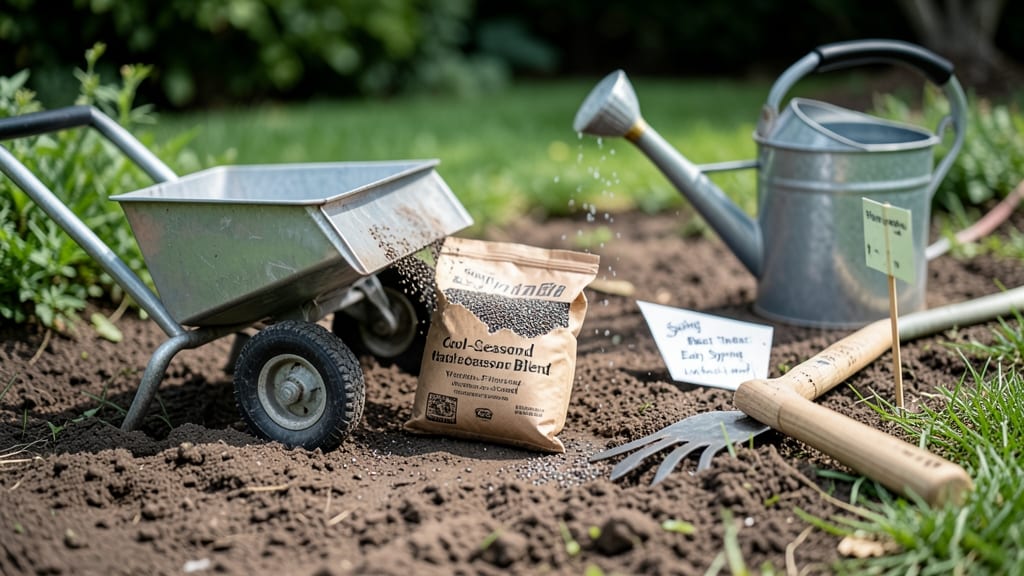
Planting grass seed in Virginia this spring means timing it right—soil temperatures between 50°F and 60°F and after the last frost are your sweet spot for a thick, healthy lawn.
Get it wrong, and you’re either battling frost damage or fighting summer heat stress before roots take hold. The difference between a lush green lawn and a patchy, weed-infested mess often comes down to those critical weeks in early spring.
Virginia’s climate varies from the cooler Piedmont to the milder coastal regions, and each zone has its own ideal window. Whether you’re in USDA Zone 6a or 8a, knowing the exact week to plant—down to the day—can save you time, money, and frustration.
Below, I’ll break down the week-by-week schedule for Virginia, including soil prep tips, seed selection, and how to avoid common mistakes that derail even the best-laid plans.
Virginia’s spring planting zones: when to plant grass seed by region
Virginia’s diverse climate—from the cooler mountain regions to the warmer coastal plains—means your grass seed planting window varies dramatically. Understanding your USDA hardiness zone (5a through 8a) is critical to avoiding frost damage or summer heat stress.
I’ll break down the exact planting windows, soil temperature thresholds, and frost risk factors for each zone so you can time your project perfectly.
For example, Zone 5a gardeners in the Blue Ridge Mountains face a longer frost risk than those in Zone 8a along the Chesapeake Bay. The key is planting when soil temperatures hit 55-65°F—this ensures germination without frost threats.
I’ll also share how to verify your zone using Virginia’s interactive USDA map (link provided below).
Here’s the golden rule: Cool-season grasses (like tall fescue and Kentucky bluegrass) thrive when planted in early spring (March-April), while warm-season grasses (like Bermuda) wait for late spring (May). Let’s dive into the zone-by-zone details to pinpoint your ideal planting week.
To find your exact USDA zone, use the interactive USDA Plant Hardiness Zone Map (available at planthardiness.ars.usda.gov). Simply enter your zip code or city name—Virginia’s zones range from 5a in the mountains to 8a along the coast.
For example, if you’re in Zone 6b (like Northern Virginia), aim to plant by April 1 to avoid late frosts.
Once you’ve confirmed your zone, monitor soil temperatures using a soil thermometer (available at garden centers). Grass seed germinates best when soil is consistently between 55-65°F. In Zone 7a, this typically aligns with mid-March, while Zone 5a gardeners should wait until late April.
Pro tip: Morning soil temps are more reliable for planning than afternoon readings.
Don’t overlook microclimates—your yard might have warmer or cooler
Week-by-week planting timeline for Virginia spring lawn success
Spring in Virginia demands precision when planting grass seed—miss the window, and you’ll battle either lingering frost or summer’s brutal heat. The ideal soil temperature for germination is 55-65°F, which typically arrives in early March for most regions.
My week-by-week schedule aligns with Virginia’s USDA zones (6a-8a), ensuring your grass establishes strong roots before summer stress sets in.
Start by testing your soil’s pH (6.0-7.0) and aerating compacted areas in late February. This gives you a 4-6 week head start before seeding, allowing time for soil amendments like compost or lime if needed.
For cool-season grasses (Kentucky bluegrass, tall fescue), timing is critical—plant too late, and summer heat will stunt growth.
- Late February: Test soil pH and aerate compacted areas. Apply compost or lime if needed (aim for pH 6.0-7.0).
- First 2 Weeks of March: Plant cool-season grasses in USDA Zones 6a-7a (Piedmont, Shenandoah). Ideal soil temp: 55-60°F.
- Mid-March: Overseed shaded areas with fine fescue. Water lightly daily to keep soil moist.
- Late March - Early April: Plant in USDA Zone 8a (coastal Virginia). Soil temp should reach 60-65°F.
- First 2 Weeks of April: Apply starter fertilizer (high nitrogen) and light mulch to retain moisture.
- May (if no rain): Reduce watering to 2-3x weekly once grass reaches 3-4 inches tall.
- June: Transition to deep, infrequent watering (1 inch per week) to encourage deep root growth.
After seeding, daily watering is non-negotiable for the first 2 weeks. Keep the soil evenly moist (like a damp sponge) to prevent crusting, which blocks germination. I recommend using a sprinkler on a gentle setting or a soaker hose to avoid displacing seeds.
Once sprouts appear (typically 7-14 days), switch to early morning watering to reduce fungal risks.
By mid-April, your grass should be 2-3 inches tall and ready for its first mow. Never cut more than 1/3 of the blade height—this ensures roots stay strong.
For Virginia’s heat-prone zones (8a), avoid planting after April 15 to prevent summer dormancy. Instead, overseed in early fall for a second chance at a thick lawn.
Monitor for weed competition in the first 6 weeks—pre-emergent herbicides can be applied 2-3 weeks after seeding, but only if your seed mix is fully established. For clay-heavy soils (common in Piedmont), mix in sand or peat moss before planting to improve drainage.
With this timeline, your Virginia lawn will hit the ground running—thick, green, and resilient by summer. The key is consistency: soil prep, precise planting dates, and diligent watering. Skip any step, and you’ll pay the price in patchy, weak grass come July.